



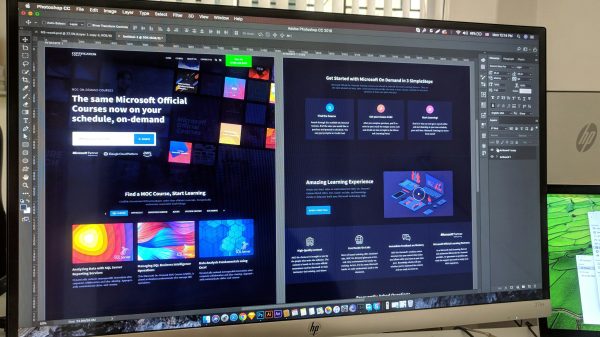




















Speed in content management is no longer just a convenience; it is a competitive advantage. Marketing teams, product teams, publishers, ecommerce brands, and SaaS companies all need to publish, update, localize, approve, and reuse content without waiting days for development support. The best CMS tools for fast-moving teams are not only easy to use, but also flexible enough to support workflows, permissions, integrations, and omnichannel publishing.
TLDR: The best CMS for your team depends on how you create, review, and publish content. Webflow and WordPress are excellent for marketing teams that want speed and visual control, while Contentful, Sanity, and Storyblok are stronger for structured, omnichannel content. Drupal, Strapi, and HubSpot CMS are ideal when teams need more customization, governance, or built-in marketing features. Choose the tool that removes bottlenecks from your workflow, not simply the one with the longest feature list.
What Makes a CMS Fast for Teams?
A fast CMS is not just one that loads quickly. For teams, speed means fewer handoffs, less confusion, easier approvals, and faster publishing from idea to live page. A powerful content management system should help different people work together smoothly, whether they are writers, editors, designers, developers, SEO specialists, legal reviewers, or localization managers.
The most useful CMS platforms for modern teams usually include:
- Intuitive editing tools so non-technical users can create and update content confidently.
- Workflow and approval controls to prevent mistakes while keeping projects moving.
- Reusable content blocks for faster page building and brand consistency.
- Role-based permissions so team members only access what they need.
- API or integration support for connecting with analytics, ecommerce, CRM, translation, and automation tools.
- Scalability for publishing across websites, apps, product interfaces, emails, and other channels.
In short, the best CMS tools reduce repetitive work and give each contributor a clear path from draft to publication.

1. WordPress: Best for Flexible Website Publishing
WordPress remains one of the most widely used CMS platforms because it is familiar, flexible, and supported by a huge ecosystem of themes, plugins, developers, and learning resources. For teams that need to launch quickly and manage a steady stream of blog posts, landing pages, and website updates, WordPress is often a practical choice.
Its biggest advantage is accessibility. Content editors can learn the basics quickly, and the block editor makes it easier to assemble pages without touching code. Teams can extend WordPress with SEO tools, editorial calendars, form builders, analytics plugins, ecommerce features, and workflow extensions.
Best for: company blogs, marketing websites, small to mid-sized publishing teams, and organizations that want a balance between ease of use and customization.
Where it shines: WordPress is excellent when your team wants control over website content and does not want to build everything from scratch. It also benefits from a large talent pool, making it easier to find support.
Potential limitation: Too many plugins can slow performance or create maintenance issues. Teams should choose plugins carefully and keep security updates under control.
2. Webflow: Best for Visual Marketing Teams
Webflow is a strong CMS option for teams that care deeply about design speed and visual control. It combines a website builder, CMS, and hosting platform, making it especially attractive to marketing teams that want to create polished pages without constantly relying on developers.
Designers can build responsive layouts visually, while content editors can update CMS items such as blog posts, case studies, team profiles, product pages, or resource libraries. This makes Webflow a popular choice for startups, agencies, and B2B marketing teams that need to publish attractive pages quickly.
Best for: marketing sites, startup websites, campaign landing pages, portfolios, and content hubs where design quality matters.
Where it shines: Webflow reduces the gap between design and publishing. Instead of handing static mockups to developers, teams can build and launch directly in one environment.
Potential limitation: For highly complex content models or large enterprise workflows, teams may eventually need more structured or headless CMS capabilities.
3. Contentful: Best for Omnichannel Content Operations
Contentful is a leading headless CMS built for structured content and multi-channel delivery. Unlike traditional CMS platforms that focus mainly on web pages, Contentful separates the content from the presentation layer. This allows teams to publish the same content to websites, mobile apps, digital displays, product interfaces, and other platforms through APIs.
This is especially useful for larger teams that manage content across many markets, products, or customer touchpoints. Developers can build custom front-end experiences, while editors manage structured content in a centralized space.
Best for: enterprises, SaaS companies, ecommerce brands, global content teams, and organizations with multiple digital products.
Where it shines: Contentful is powerful when content needs to be reused across different channels. It also supports governance, localization, integrations, and scalable content modeling.
Potential limitation: Non-technical teams may need help setting up content models and front-end experiences. It is often strongest when developers and content strategists collaborate closely.
4. Sanity: Best for Custom Content Workflows
Sanity is another modern headless CMS, but it stands out for its flexibility and real-time collaboration. Teams can customize the editing interface, structure content exactly how they need it, and create workflows that match their operational style.
Sanity uses a highly configurable studio where developers can tailor fields, previews, validation rules, and editorial experiences. This makes it valuable for teams with unique publishing needs, complex content relationships, or a desire to build a CMS that feels custom without starting from zero.
Best for: product-led companies, media teams, ecommerce platforms, documentation sites, and organizations with complex content structures.
Where it shines: Sanity is excellent for teams that need flexibility and collaboration. Its real-time editing features can be especially helpful when multiple people work on content at once.
Potential limitation: Because it is developer-friendly and customizable, setup may require technical expertise. Teams looking for a simple plug-and-play CMS may prefer another option.
Image not found in postmeta5. Storyblok: Best for Visual Headless Editing
Storyblok offers a compelling mix of headless architecture and visual editing. One of the biggest challenges with headless CMS tools is that editors sometimes feel disconnected from the final page. Storyblok solves this with a visual editor that lets users see how content will look while still benefiting from structured, API-driven publishing.
This makes it a strong choice for teams that want flexibility for developers but also a friendly experience for marketers and editors. Reusable components allow teams to assemble pages quickly while maintaining design consistency.
Best for: growing marketing teams, ecommerce websites, multilingual websites, and organizations transitioning from traditional CMS platforms to headless systems.
Where it shines: Storyblok helps bridge the gap between technical flexibility and editor usability. It can make headless content management feel less intimidating for non-technical teams.
Potential limitation: As with most headless platforms, successful implementation depends on thoughtful content modeling and front-end development.
6. Strapi: Best Open-Source Headless CMS
Strapi is an open-source headless CMS that gives teams control over their content infrastructure. Because it is self-hostable and highly customizable, it appeals to development teams that want freedom, extensibility, and ownership.
Strapi allows teams to create custom content types, manage users and permissions, and deliver content via APIs. It can be a great option for organizations that want headless CMS flexibility without being fully locked into a proprietary platform.
Best for: developer-led teams, custom applications, startups with technical resources, and organizations that prefer open-source tools.
Where it shines: Strapi gives teams a high level of control. Developers can extend it, integrate it with custom systems, and shape it around specific business requirements.
Potential limitation: Self-hosting and customization require technical maintenance. Teams without developer support may find managed CMS options easier.
7. Drupal: Best for Complex Governance and Large-Scale Websites
Drupal is a mature, powerful CMS often used by universities, governments, nonprofits, media organizations, and large enterprises. It is known for strong content modeling, permissions, multilingual capabilities, and security.
For teams that need rigorous governance, Drupal can be extremely effective. It supports complex editorial workflows, multiple user roles, content relationships, and large-scale site architecture. While it may not be as beginner-friendly as some newer tools, it is highly capable when implemented well.
Best for: enterprise websites, public sector platforms, education institutions, and organizations with complex content and permission requirements.
Where it shines: Drupal is excellent for structured, large-scale content operations. It can handle complicated requirements that simpler CMS tools may struggle with.
Potential limitation: Drupal typically requires experienced developers and careful planning. It is powerful, but not always the fastest tool to set up.
8. HubSpot CMS: Best for Marketing and Sales Alignment
HubSpot CMS is ideal for teams that want content management closely connected to CRM, marketing automation, lead capture, email campaigns, analytics, and personalization. Instead of treating the website as a separate publishing channel, HubSpot connects content directly to customer data and marketing workflows.
For inbound marketing teams, this can save significant time. Landing pages, blog posts, forms, calls to action, email campaigns, and contact insights can all live in the same ecosystem. Teams can move faster because they do not need to constantly stitch together separate tools.
Best for: B2B marketing teams, lead generation websites, sales-driven organizations, and companies already using HubSpot CRM.
Where it shines: HubSpot CMS is strong when content is part of a larger revenue strategy. It helps teams publish, measure, nurture, and optimize from one place.
Potential limitation: Teams that need deep design freedom or highly custom technical architecture may find it less flexible than headless or open-source alternatives.
9. Prismic: Best for Component-Based Page Building
Prismic is a headless CMS focused on giving teams reusable content sections, often called slices. These slices allow marketers and editors to build pages from predesigned components while developers maintain control over the front-end experience.
This approach is useful for teams that frequently create landing pages, resource pages, or campaign content. Instead of asking developers to build every new layout, editors can assemble approved sections in different combinations.
Best for: marketing teams working with developers, modern websites, content hubs, and teams that value reusable page sections.
Where it shines: Prismic can speed up publishing by turning design systems into practical editing tools. It helps teams move quickly without sacrificing consistency.
Potential limitation: Like other headless tools, it requires a front-end implementation before editors can get the full benefit.

How to Choose the Right CMS for Faster Content Management
Choosing the best CMS is less about finding a universally perfect platform and more about understanding where your team loses time. A CMS should remove friction from your actual workflow. Before deciding, ask these questions:
- Who updates content most often? If marketers and editors do most updates, prioritize ease of use and visual editing.
- How many approval steps are required? Regulated industries or large teams may need strong workflow controls.
- Do you publish to one website or many channels? If content appears across apps, websites, and products, a headless CMS may be better.
- How technical is your team? Developer-heavy teams can benefit from Sanity, Strapi, or Contentful, while non-technical teams may prefer Webflow, WordPress, or HubSpot CMS.
- How important is design control? Visual-first teams may move faster with Webflow or Storyblok.
- Do you need CRM or marketing automation? HubSpot CMS can be efficient when content and customer data need to work together.
Final Thoughts
The fastest CMS is not always the simplest, and the most powerful CMS is not always the best fit. A small marketing team may publish faster with Webflow than with a complex enterprise platform. A global product company may move faster with Contentful or Sanity because structured content can be reused everywhere. A B2B team focused on leads may gain the most speed from HubSpot CMS because publishing, forms, CRM data, and analytics are connected.
The key is to identify your biggest bottleneck. If your team waits too long for design changes, choose a CMS with visual tools. If content is duplicated across channels, choose a headless CMS. If approvals are chaotic, prioritize workflows and permissions. If marketing tools are scattered, choose a platform with stronger integrations.
Ultimately, the best CMS tools help teams spend less time managing the system and more time creating useful, timely, and engaging content. When the right platform supports the right workflow, content management becomes faster, cleaner, and far more enjoyable for everyone involved.