











Nothing kills a movie night, presentation, or quick photo-sharing session faster than tapping Cast or Screen Mirroring and watching nothing happen. Smart TVs make wireless display sharing feel effortless when it works, but AirPlay, Chromecast, and Miracast all depend on a chain of settings, network conditions, permissions, firmware, and device compatibility. The good news: most screen mirroring problems are fixable in minutes if you troubleshoot in the right order.
TLDR: If screen mirroring is not working on your smart TV, first confirm both devices are on the same Wi Fi network, restart your phone and TV, and make sure screen mirroring is enabled on the TV. For AirPlay, check Apple device compatibility and AirPlay settings; for Chromecast, verify Google Home setup and network isolation; for Miracast, confirm your device supports wireless display. If the connection still fails, update firmware, disable VPNs, check router settings, and reset the TV’s casting or network configuration.
Start With the Universal Fixes
Before diving into protocol-specific settings, handle the basics. AirPlay, Chromecast, and Miracast may work differently, but they share common failure points. A weak network, outdated software, or a simple temporary glitch can stop all three.
- Restart both devices: Turn off your smart TV completely, unplug it for 30 seconds, then restart your phone, tablet, or computer.
- Check Wi Fi: Make sure your casting device and TV are on the same network. Many homes have separate 2.4 GHz and 5 GHz networks.
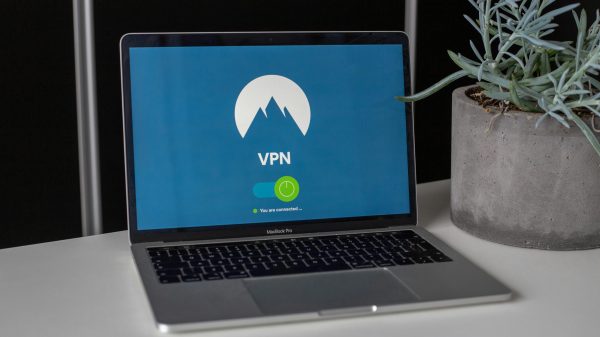
- Disable VPNs: VPN apps can block local device discovery, preventing your TV from appearing.
- Update everything: Install updates for your TV firmware, phone operating system, browser, and casting apps.
- Move closer to the router: Screen mirroring is sensitive to unstable Wi Fi, especially when streaming video.
Also check whether your TV has a dedicated Screen Mirroring, AirPlay, Cast, or Wireless Display input. Some TVs do not listen for connections until the correct input or mode is opened.
Why Screen Mirroring Fails
“Screen mirroring” is often used as a catch-all phrase, but the technology behind it varies. AirPlay is Apple’s wireless streaming system. Chromecast uses Google Cast, often controlled through Android apps, Chrome, or Google Home. Miracast creates a direct wireless link between devices and is common on Windows laptops and some Android phones.
Because these systems discover receivers differently, a fix for one may not apply to another. For example, Chromecast generally needs both devices to communicate over the same local network, while Miracast may work through Wi Fi Direct without using your router in the same way. Understanding which one you are using makes troubleshooting much faster.
AirPlay Not Working on Smart TV
If you are using an iPhone, iPad, or Mac, AirPlay is usually the best option. Many newer smart TVs from Samsung, LG, Sony, TCL, Vizio, and others support AirPlay 2, but it must be enabled.
Check AirPlay Settings on the TV
Open your TV settings and look for Apple AirPlay and HomeKit, AirPlay Settings, or a similar menu. Confirm that AirPlay is turned on. If there is an option for Require Code, set it to First Time Only or temporarily disable strict requirements while troubleshooting.
If your TV does not appear in the iPhone’s Screen Mirroring list, toggle AirPlay off and back on. Then restart the TV. Some TVs cache network discovery data poorly, and a restart refreshes the AirPlay service.
Make Sure Devices Are Compatible
AirPlay requires supported Apple hardware and a compatible receiver. Older smart TVs may support basic app casting but not true AirPlay screen mirroring. If your TV does not support AirPlay natively, you may need an Apple TV box or another AirPlay-compatible receiver.
Fix iPhone, iPad, and Mac AirPlay Errors
- Turn off Low Power Mode: It can sometimes affect background wireless behavior.
- Allow local network access: On iPhone, go to privacy settings and ensure relevant apps can access local network devices.
- Check the Apple ID restriction: Some TVs allow AirPlay access only to devices on the same network or same HomeKit home.
- Reset network settings: If AirPlay never appears, resetting network settings on your iPhone or iPad can clear broken discovery records.
If AirPlay connects but shows a black screen, the app may be blocking protected content. Some streaming services restrict screen mirroring because of digital rights management. In that case, use the TV’s built-in app instead of mirroring the phone screen.
Chromecast or Google Cast Not Working
Chromecast problems often come down to network visibility. Your phone, computer, and Chromecast-enabled TV must be able to “see” each other across the local network. If your cast icon is missing, greyed out, or your TV does not appear, start with Google Home.
Confirm Chromecast Setup
Open the Google Home app and check whether the TV or Chromecast device appears. If it shows as offline, power cycle the TV or Chromecast. If it is missing completely, you may need to set it up again.
With built-in Chromecast TVs, make sure the TV’s Google Cast feature is enabled. On some Android TV and Google TV models, the Chromecast built-in service can be disabled accidentally. Go to Settings, then Apps, then show system apps and look for Chromecast built in. Enable it and clear its cache if needed.
Image not found in postmetaCheck Router Settings
Modern routers can block casting without looking broken. If your Wi Fi has AP isolation, client isolation, or guest network isolation enabled, devices on the same Wi Fi may still be prevented from communicating. This is common on guest networks, mesh systems, dorm Wi Fi, and office networks.
- Avoid guest Wi Fi: Use the main home network whenever possible.
- Disable client isolation: Look for this in router wireless settings.
- Use the same band: If discovery fails, temporarily put both devices on the same 2.4 GHz or 5 GHz network.
- Restart the router: A router reboot can fix multicast discovery problems.
Fix Casting From Chrome
If you are casting from a laptop using Chrome, make sure the browser is up to date. Click the three-dot menu, choose Cast, and select whether you want to cast the tab, desktop, or file. If your TV does not appear, disable VPN extensions, firewall tools, or corporate security software that may block local network discovery.
If the cast connects but stutters, lower the streaming quality, close heavy apps, or move your laptop closer to the router. Casting a full desktop is more demanding than casting a single video tab.
Miracast Not Working on Smart TV
Miracast is commonly used by Windows PCs and certain Android devices. It is often labeled as Wireless Display, Smart View, Screen Share, AllShare Cast, or Project. Unlike Chromecast, Miracast depends heavily on device hardware support.
Check Windows Miracast Support
On a Windows laptop, press Windows + K to open the casting panel, or press Windows + P and choose Connect to a wireless display. If Windows says your device does not support Miracast, your Wi Fi adapter, graphics driver, or system configuration may not be compatible.
To investigate, update your graphics driver and wireless adapter driver. Miracast uses both. A laptop may support Wi Fi perfectly but still fail wireless display if the display driver is outdated or incompatible.
Put the TV in Mirroring Mode
Many TVs do not accept Miracast connections automatically. Open the TV’s screen sharing app or select the wireless display input first. Then try connecting from the phone or PC. If you attempt to connect before the TV is listening, the device may never appear.
Android Miracast Limitations
Some Android phones no longer support Miracast because manufacturers prefer Chromecast. Samsung phones still commonly offer Smart View, while other brands may only support Google Cast. If you cannot find a wireless display option, check your phone’s quick settings tiles or search settings for “cast,” “mirror,” or “wireless display.”
Image not found in postmetaWhen the TV Appears but Connection Fails
Sometimes your TV shows up, you tap it, and then the connection spins forever or fails with a vague error. This usually means discovery is working, but authentication or handshake negotiation is not.
- Delete old pairings: Remove the TV from your phone, laptop, or casting app, then pair again.
- Clear TV device lists: Some TVs keep a list of previously connected devices that can become corrupted.
- Check permission prompts: Your TV may be waiting for you to approve the connection with the remote.
- Turn off Bluetooth temporarily: Some devices use Bluetooth during setup, but interference or bad pairing can create confusion.
- Use a simpler network name: Unusual characters in Wi Fi names can occasionally cause discovery issues on older TVs.
When Screen Mirroring Lags, Freezes, or Has No Sound
A successful connection is only half the battle. Lag, freezing, pixelation, and missing audio can make mirroring unusable. Wireless display needs stable bandwidth and low interference, especially for games, sports, or high-resolution video.
Move the router away from thick walls, microwaves, baby monitors, and crowded electronics. If possible, connect the TV to the router with Ethernet; even though your phone remains wireless, reducing one wireless hop can improve performance. For Chromecast and AirPlay, 5 GHz Wi Fi often performs better at short range, while 2.4 GHz may be more reliable across longer distances.
If there is no sound, check whether the audio output is still set to the phone, laptop, Bluetooth earbuds, or an external speaker. On Windows, open sound settings after connecting and choose the TV as the output device. On iPhone and iPad, open Control Center and check the AirPlay audio destination.
Advanced Fixes Worth Trying
If basic steps fail, try a deeper reset. On the TV, reset network settings and reconnect to Wi Fi from scratch. Clear cache for casting-related system apps if your TV allows it. For Android TV or Google TV, clearing cache for Chromecast built in, Google Play Services, and the app you are casting from can help.
On iPhone, go to Settings, then General, then Transfer or Reset, and choose Reset Network Settings. On Windows, run the network troubleshooter or reset network adapters. On routers, update firmware and review multicast, UPnP, and isolation settings.
As a final step, perform a factory reset of the TV only if you have exhausted easier options. This can fix stubborn casting bugs, but it also removes app logins, picture settings, and saved networks.
Know When to Use a Cable Instead
Wireless mirroring is convenient, but it is not always the best tool. For gaming, live presentations, video editing previews, or hotel networks with strict restrictions, an HDMI cable may be more reliable. iPhones and iPads can use a compatible USB C or Lightning to HDMI adapter. Laptops can usually connect directly via HDMI or USB C.
This is not admitting defeat; it is choosing the right connection for the job. Wireless casting is excellent for casual sharing, but wired display still wins when latency, stability, or guaranteed compatibility matters most.
Final Checklist
- Same Wi Fi network? Confirm both devices are connected correctly.
- Correct mirroring type? Use AirPlay for Apple, Chromecast for Google Cast, and Miracast for wireless display devices.
- TV feature enabled? Turn on AirPlay, Chromecast built in, or screen sharing mode.
- VPN disabled? Turn off VPNs, proxies, and restrictive firewalls.
- Router isolation off? Avoid guest networks and client isolation.
- Software updated? Update TV firmware, apps, drivers, and operating systems.
- Connection reset? Forget old pairings and reconnect from scratch.
Screen mirroring feels mysterious because it hides a lot of technology behind one simple button. But when AirPlay, Chromecast, or Miracast refuses to connect, the cause is usually discoverable: network separation, disabled TV settings, outdated software, unsupported hardware, or blocked local communication. Work through the checklist calmly, and your smart TV should be back to displaying your photos, videos, slides, and screens without drama.