


















Japan is easy to love. The trains are fast. The snacks are cute. The vending machines feel like tiny robots. But one thing can make or break your trip: mobile data. You need maps, translations, train times, restaurant reviews, and maybe a video call with your cat.
TLDR: Airalo eSIM is a strong option for staying connected in Japan, especially if you want something quick, simple, and fairly priced. It is best for travelers who mainly need data for maps, messaging, and browsing. It may not be the best choice if you need a Japanese phone number or lots of heavy data every day. For most tourists, it is a very handy pick.
What is Airalo eSIM?
Airalo is an app that sells eSIM data plans for many countries. Japan is one of them. An eSIM is a digital SIM card. There is no plastic card. No tiny tray. No hunting for that little metal pin that always disappears.
You buy a data plan in the Airalo app. Then you install it on your phone. When you arrive in Japan, you turn it on. Boom. Internet.
Well, usually boom. Sometimes it is more like “tap, tap, wait, restart, boom.” But that is still better than standing in an airport line while tired and holding too many bags.
Airalo is popular with travelers because it is simple. You can set it up before your flight. You can land in Tokyo, Osaka, Fukuoka, or Sapporo and connect fast.
Why staying connected in Japan matters
Japan is very organized. But it can still feel confusing if you are new. Signs are often in English in big cities. Still, you will use your phone a lot.
You may need data for:
- Google Maps or Apple Maps.
- Train routes and platform numbers.
- Translation apps for menus and signs.
- Messaging apps like WhatsApp, LINE, or iMessage.
- Restaurant bookings and opening hours.
- Cashless payments and travel apps.
- Posting photos of matcha desserts, of course.
Japan has free Wi Fi in many places. Hotels, cafes, airports, and train stations often have it. But free Wi Fi can be spotty. It may ask for sign ups. It may be slow. And it usually disappears right when you need it most.
Like when you are in Shinjuku Station. That place is not a station. It is a maze with trains.
How Airalo works in Japan
Using Airalo is pretty simple. Here is the basic flow:
- Download the Airalo app.
- Choose Japan.
- Pick a data plan.
- Buy it with a card or another payment method.
- Install the eSIM using the app instructions.
- Turn it on when you arrive.
- Enable data roaming for the eSIM.
Most Airalo Japan plans are data only. That means you usually do not get a local Japanese phone number. You can still use apps for calls and messages. WhatsApp, FaceTime, Telegram, Instagram, and Messenger all work with data.
If you need to call a Japanese restaurant or hotel by phone, you may need another solution. You can use Skype, a VoIP app, your home SIM roaming, or ask your hotel for help.
What makes Airalo good for Japan?
Airalo has a few big strengths. These are the reasons many travelers choose it.
1. It is easy to buy before the trip
You can set it up while sitting on your couch. No airport kiosk. No language barrier. No plastic SIM card. No paperwork.
This is great if you like being prepared. Future you will be grateful. Future you will be tired after a long flight and will not want to compare SIM cards under bright airport lights.
2. It connects quickly after landing
Once installed, you can activate your eSIM when you arrive. In many cases, your phone connects within minutes. Then you can message your family and say, “I made it!”
Or more likely, “I made it and I already bought an egg sandwich from 7 Eleven.”
3. You can choose different data amounts
Airalo usually offers several plan sizes. Smaller plans are good for light users. Bigger plans are better if you use maps all day or upload videos.
This is useful because not every traveler needs the same data. A weekend in Tokyo is different from a three week train adventure across Japan.
4. It is often cheaper than roaming
International roaming from your home carrier can be expensive. Some carriers charge daily fees. Others charge high rates per megabyte. That can get scary.
Airalo gives you a clear price before you buy. You know what you are paying. No surprise bill when you get home. That alone can feel like winning a prize.
5. It works well for normal travel needs
For most tourists, Airalo data is enough. You can load maps. Check train routes. Translate menus. Send photos. Use social media. Read reviews.
You are not trying to run a tech company from a ramen shop. You just need internet that works.
What are the downsides?
Airalo is useful. But it is not perfect. Nothing is. Not even those fluffy Japanese pancakes. Actually, those are close.
1. No local phone number
This is the biggest limit. Many Airalo Japan eSIM plans are data only. If you need a Japanese number, Airalo may not be enough.
A local number can help with some restaurant bookings, ticket systems, or delivery services. But many tourists can survive without one. Hotels can call for you. Online booking sites can also help.
2. Your phone must support eSIM
Not every phone works with eSIM. Newer iPhones usually do. Many newer Samsung, Google Pixel, and other phones do too. But some models do not.
Also, your phone must be unlocked. If it is locked to your carrier, another eSIM may not work.
Check this before you buy. It is boring. But it matters.
3. Setup can confuse first timers
If you have never used an eSIM, the setup may feel strange. You may see terms like “APN,” “roaming,” and “primary line.” That can sound like robot poetry.
Follow the Airalo instructions carefully. Do not delete the eSIM after installing it unless you are sure. Some eSIMs cannot be reinstalled easily.
4. Speed can vary
Airalo uses local partner networks. Speeds are usually fine in cities. In busy areas, rural towns, mountains, or underground spots, speeds may drop.
This is true for most mobile services in Japan. Japan has great coverage overall. But trains, tunnels, and remote areas can still be tricky.
Airalo vs pocket Wi Fi in Japan
Pocket Wi Fi is another popular option. It is a small device that creates a Wi Fi hotspot. You carry it around and connect your phone to it.
Pocket Wi Fi can be great for families or groups. One device can connect several phones. It may also offer lots of data.
But it has downsides:
- You must pick it up or have it delivered.
- You must return it at the end.
- You must keep it charged.
- You must carry another gadget.
- If one person walks away with it, everyone else loses internet.
Airalo is simpler for solo travelers and couples. It lives inside your phone. No extra device. No charger. No return envelope.
For a group of four, pocket Wi Fi may be cheaper. For one or two people, Airalo is often easier.
Airalo vs airport SIM cards
You can buy physical SIM cards at Japanese airports. They are common at Narita, Haneda, Kansai, and other big airports.
Airport SIMs can work well. Some offer strong data packages. Staff may help you install them.
But there are tradeoffs:
- You may need to wait in line.
- Prices may be higher at the airport.
- You must swap your SIM card.
- You might lose your tiny home SIM.
- Plan choices can be confusing after a long flight.
Airalo wins on convenience. You can buy it before you leave. You can keep your home SIM in your phone. This is very nice if you need bank texts or emergency calls from your regular number.
Airalo vs international roaming
Roaming is the easiest option if your carrier has a good plan. You land, your phone connects, and you do nothing.
That sounds lovely. But check the price. Some roaming plans are fair. Others are wildly expensive. A daily roaming fee can add up fast on a two week trip.
Airalo is often better if you want to control costs. You pay for a set amount of data. When it is gone, it is gone. You can top up if needed.
Roaming may be better if you need your normal phone number for calls and texts. It may also be better for business travelers who want zero setup.
How much data do you need in Japan?
This depends on your habits. Be honest. Are you a light map user? Or are you filming every bowl of ramen in 4K?
Here is a simple guide:
- 1 to 3 GB: Good for a short trip or light use.
- 5 GB: Good for one week of normal travel.
- 10 GB: Good for one to two weeks with regular photo uploads.
- 20 GB or more: Good for heavy users, longer trips, or remote work.
Maps and messages do not use much data. Video uses a lot. TikTok, YouTube, Instagram Reels, and video calls can eat data like Godzilla eats buildings.
To save data, use hotel Wi Fi for big uploads. Download offline maps. Save train routes before leaving. Turn off automatic app updates. Your data plan will last longer.
Is Airalo reliable in Japanese cities?
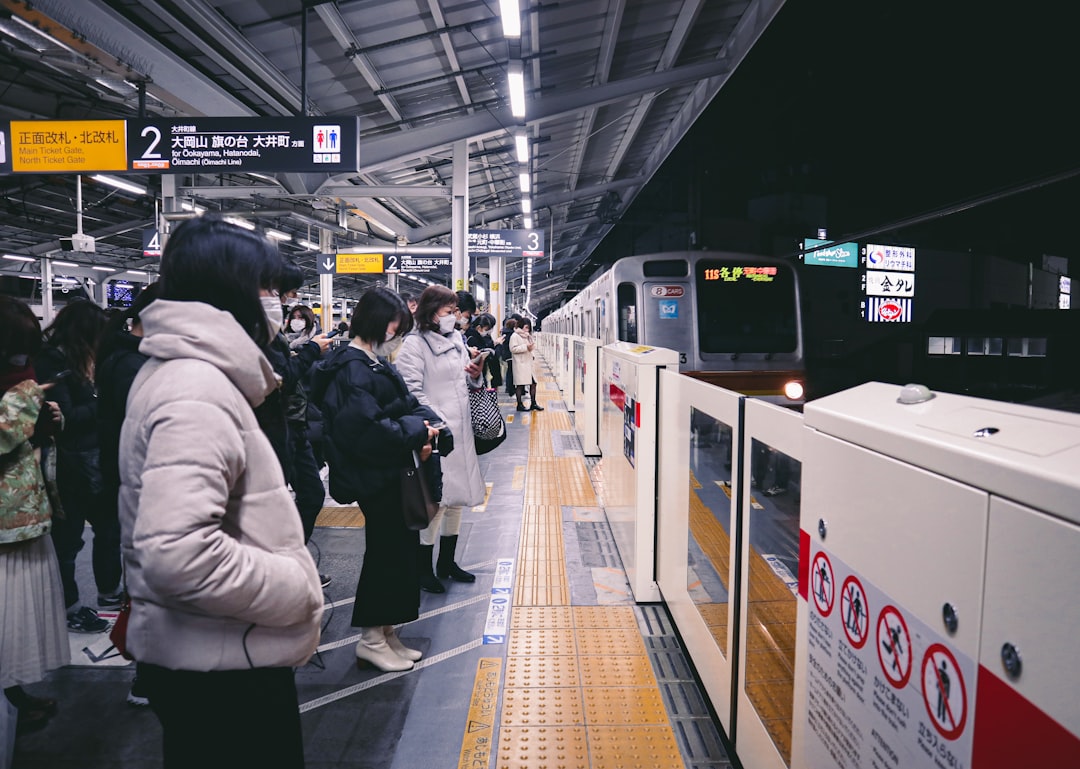
In major cities, Airalo is usually reliable. Tokyo, Kyoto, Osaka, Hiroshima, Nagoya, and Fukuoka all have strong mobile networks. You should be fine for normal use.
Subways can be mixed. Some stations have great signal. Some tunnels are weaker. Crowded events can also slow things down.
In rural areas, coverage depends on the network partner and location. Japan still has very good infrastructure. But mountains are mountains. They do mountain things. Signal may fade.
Who should use Airalo in Japan?
Airalo is a good fit if you:
- Want an easy setup before arrival.
- Have an unlocked eSIM compatible phone.
- Mainly need data, not a phone number.
- Travel solo or as a couple.
- Want to avoid airport SIM counters.
- Like clear pricing.
Airalo may not be ideal if you:
- Need a Japanese phone number.
- Use huge amounts of data every day.
- Have an older phone without eSIM.
- Travel with a big group that can share pocket Wi Fi.
- Need guaranteed top speeds for work calls.
Tips for using Airalo in Japan
Here are a few easy tips:
- Install it before you fly. Do this while you have stable Wi Fi.
- Do not activate too early if the plan starts when connected.
- Label your SIMs clearly in phone settings.
- Turn on data roaming for the Airalo eSIM.
- Keep your home SIM active for texts if needed.
- Use Wi Fi for videos and big uploads.
- Check the app to track data use.
Also, save the setup instructions offline. If something goes wrong after landing, you do not want to need internet to fix your internet. That is a very annoying circle.
So, is Airalo eSIM the best option?
For many travelers, yes. Airalo is one of the best options for staying connected in Japan because it is simple, flexible, and usually affordable. It removes a lot of travel stress.
It is not perfect for everyone. If you need a local number, choose another option. If you are traveling with a big family, pocket Wi Fi may make more sense. If your company pays for roaming, enjoy that luxury.
But for the average tourist, Airalo hits the sweet spot. You can land, connect, open maps, find your train, and start your Japan adventure. No drama. No plastic SIM. No mystery charges.
And that means more time for sushi, shrines, shopping, and staring at vending machines that sell hot coffee in a can.
Final verdict
Airalo eSIM is a great choice for Japan if your phone supports it and you mainly need mobile data. It is easy to set up. It is practical. It is tourist friendly. It helps you move around Japan with confidence.
Is it the absolute best for every single traveler? No. But is it one of the easiest and smartest choices for most visitors? Yes, definitely.
Pack your passport. Charge your phone. Install your eSIM. Then go enjoy Japan. The ramen is waiting.