























Cloud computing has transformed the way organizations build, deploy, and scale applications. But while cloud platforms promise flexibility and scalability, they can also introduce spiraling costs if resources are not managed carefully. From idle virtual machines to overprovisioned storage and forgotten test environments, inefficiencies quickly add up. That is why cloud cost optimization tools have become essential for businesses that want to stay competitive without sacrificing performance.
TLDR: Cloud cost optimization tools help organizations monitor, analyze, and reduce unnecessary cloud spending while maintaining performance and scalability. They provide visibility into resource usage, automate cost-saving actions like rightsizing and scheduling, and offer forecasting to prevent budget overruns. By combining automation, analytics, and governance, these tools turn cloud spending from a reactive expense into a strategic advantage.
Why Cloud Costs Spiral So Quickly
Cloud services operate on a pay-as-you-go model, which is both a blessing and a challenge. While you only pay for what you use, modern environments are complex and dynamic. Teams spin up new instances for development, scale production automatically to meet traffic spikes, and experiment with new services across multiple regions.
Without careful oversight, organizations often face:
- Overprovisioned resources that exceed actual workload needs.
- Idle instances left running after projects end.
- Duplicate services across departments.
- Lack of visibility into who owns or uses specific resources.
- Unexpected data transfer and storage costs.
Cloud cost optimization tools address these issues by providing deep visibility, actionable insights, and automated corrections.
Key Features of Cloud Cost Optimization Tools
Not all cost management platforms are the same, but the most effective ones share several core capabilities. These features help organizations move from reactive cost control to proactive resource governance.
1. Real-Time Cost Visibility
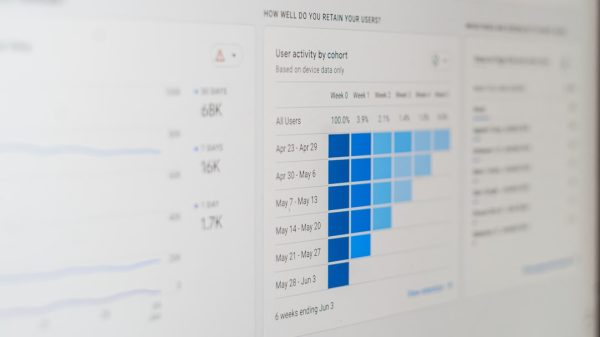
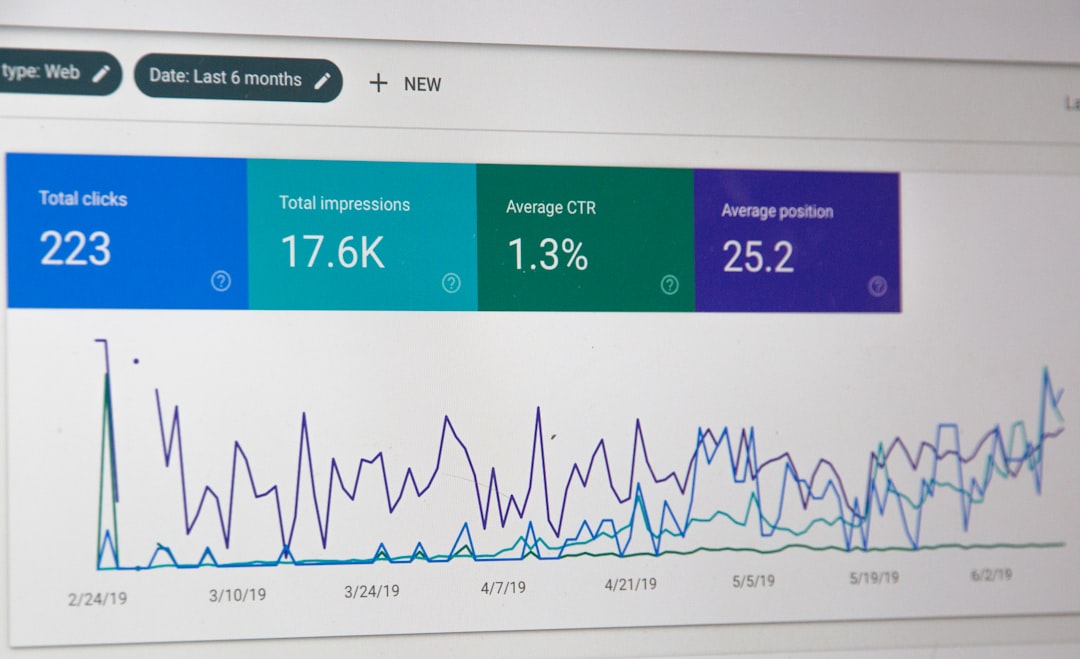
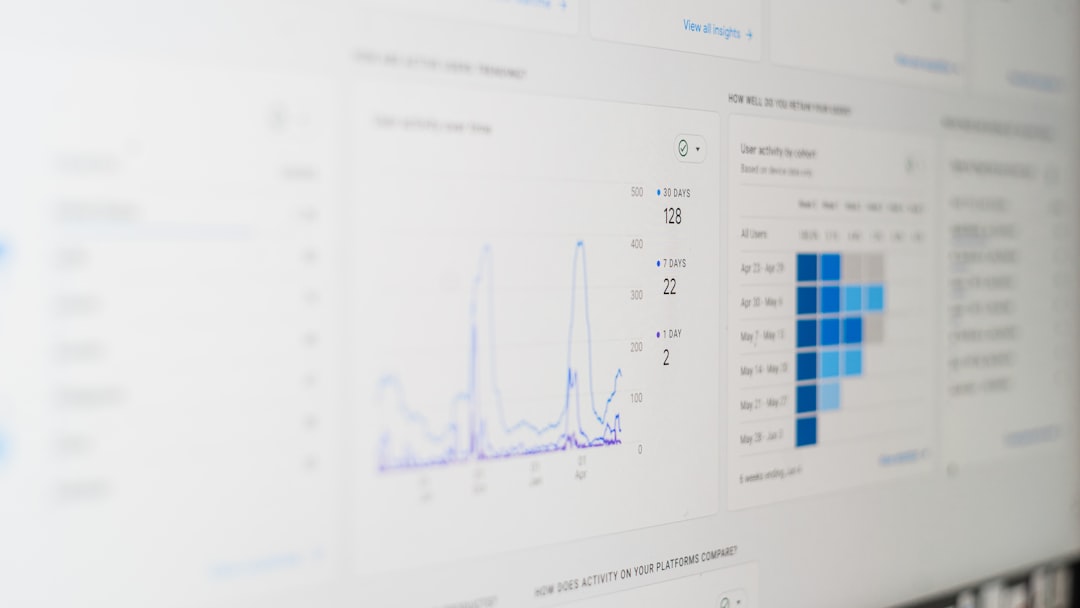
Visibility is the foundation of optimization. Cost tools integrate with cloud providers and present unified dashboards showing:
- Spending by service, team, or project
- Daily, weekly, and monthly cost trends
- Resource utilization metrics
- Forecasted expenses
Instead of waiting for end-of-month billing surprises, teams can monitor changes in near real time and intervene quickly.
2. Rightsizing Recommendations
Rightsizing is the practice of matching resources to actual workload requirements. Many organizations choose instance types based on peak projections and never revisit them. Optimization tools analyze historical usage patterns and suggest:
- Smaller instance types
- Alternative pricing models
- Consolidation of underutilized servers
This reduces waste while maintaining application performance.
3. Automated Scheduling
Development and testing environments do not need to run 24/7. Cost optimization solutions can automatically shut down non-production resources during off-hours and restart them when needed. Over time, this simple automation leads to substantial savings.
4. Reserved Instance and Savings Plan Management
Cloud providers offer discounted pricing for long-term commitments. Optimization tools analyze usage patterns and recommend when to purchase reserved instances or apply savings plans for maximum benefit. They may also track underutilized commitments to ensure you are not locking in waste.
5. Anomaly Detection
Unexpected cost spikes often indicate misconfigurations, security breaches, or runaway processes. Advanced tools use machine learning to detect anomalies and send alerts before costs spiral out of control.
Types of Cloud Cost Optimization Tools
Organizations typically choose from three major categories of tools, depending on their size and complexity.
1. Native Cloud Provider Tools
Major providers such as AWS, Microsoft Azure, and Google Cloud offer built-in cost management dashboards. These tools provide basic cost reporting, budget alerts, and pricing recommendations.
Advantages:
- Seamless integration
- No additional licensing fees
- Accurate billing data
Limitations:
- Limited cross-cloud visibility
- May lack advanced automation features
2. Third-Party Multi-Cloud Platforms
These platforms aggregate cost data from multiple cloud providers into a single dashboard. They are particularly useful for enterprises operating hybrid or multi-cloud strategies.
They typically provide:
- Advanced analytics and forecasting
- Automated policy enforcement
- Cross-team cost allocation
- Custom reporting
3. FinOps-Focused Tools
FinOps (Financial Operations) practices combine finance, engineering, and operations to manage cloud spending collaboratively. Tools in this category support cultural and procedural shifts by enabling shared accountability.
Features often include:
- Team-level cost allocation dashboards
- Budget tracking and accountability metrics
- Collaboration and reporting features

The Role of Automation in Cost Optimization
Manual cost reviews are time-consuming and prone to error. Modern cloud environments change too rapidly for static analysis. Automation is therefore central to effective cost control.
Cost optimization tools automate actions such as:
- Terminating idle resources
- Scaling down unused containers
- Switching to lower-cost storage tiers
- Managing spot or preemptible instances
- Applying governance policies automatically
By embedding cost-saving decisions directly into infrastructure workflows, businesses reduce the need for constant manual intervention.
Cost Allocation and Chargeback Models
When multiple teams share the same cloud infrastructure, costs can become blurred. Clear allocation models ensure transparency and accountability.
Cloud cost optimization tools allow organizations to:
- Tag resources by department or project
- Track cost per application
- Create internal chargeback or showback reports
- Set budget thresholds per team
This transparency encourages teams to architect responsibly, knowing that inefficient decisions are visible and measurable.
Forecasting and Budget Planning
Cost control is not just about cutting expenses; it is also about predicting future growth. Forecasting features use historical usage data and trend analysis to model expected spending under different scenarios.
For example, organizations can simulate:
- The cost impact of onboarding 10,000 new users
- Expanding into new geographic regions
- Migrating workloads to more scalable architectures
This enables strategic decisions rather than reactive adjustments.

Common Mistakes to Avoid
Implementing a tool alone does not guarantee savings. Organizations often make avoidable mistakes that undermine optimization efforts.
- Ignoring alerts: Notifications are useless if no one acts on them.
- Failing to enforce tagging standards: Poor tagging leads to unclear reporting.
- Focusing only on compute costs: Storage, networking, and data egress fees also matter.
- Not involving engineering teams: Developers must understand cost implications during design.
- Treating optimization as a one-time project: Cloud management requires continuous improvement.
Measuring the ROI of Optimization Tools
When evaluating any cloud cost optimization platform, businesses should measure return on investment (ROI) beyond immediate savings.
Consider the following metrics:
- Percentage reduction in monthly cloud spend
- Decrease in idle resource hours
- Improvement in forecasting accuracy
- Time saved by IT and finance teams
- Reduction in billing disputes or anomalies
Many organizations report double-digit percentage savings within the first few months of implementation. Over time, the compound effect of automation and improved architecture decisions yields even greater returns.
The Future of Cloud Cost Optimization
As cloud adoption continues to grow, cost management tools are evolving rapidly. Artificial intelligence is playing a larger role in predictive modeling and automated decision-making. Future platforms are likely to:
- Provide real-time optimization at the container and microservice level
- Integrate sustainability metrics alongside cost data
- Suggest architectural redesigns for efficiency
- Combine performance, security, and cost insights into a unified dashboard
Cost optimization is no longer just about reducing bills; it is about maximizing value from every cloud investment.
Turning Cloud Spending Into Strategic Advantage
In competitive markets, efficient resource management can create meaningful differentiation. Lower operational expenses allow organizations to reinvest in innovation, research, and customer experience. More importantly, disciplined cost control builds resilience against economic fluctuations and unexpected surges in demand.
Cloud cost optimization tools empower organizations to move from guesswork to data-driven decision-making. By combining visibility, automation, collaboration, and governance, these platforms transform cloud infrastructure into a well-regulated ecosystem rather than a constant source of concern.
Ultimately, managing cloud resources efficiently is not about limiting growth. It is about enabling growth with confidence. When organizations understand exactly where their money goes and how their systems perform, they can scale boldly while staying firmly in control.