


















Content is everywhere. On websites. In apps. On smartwatches. Even on your fridge. So how do you manage all that content without losing your mind? That’s where headless CMS software comes in. It helps you create content once and deliver it anywhere. Fast. Flexible. Scalable.
TLDR: A headless CMS separates your content from your website design. This makes it easier to publish content across many platforms like web, mobile, and apps. It’s flexible, developer-friendly, and built for scale. If you want to grow without content chaos, headless CMS is a smart move.
What Is a Headless CMS?
Let’s break it down simply.
A traditional CMS connects your content and your website’s front-end design. They are tightly glued together. If you change one, you often affect the other.
A headless CMS removes the “head” — meaning the front-end presentation layer.
- Body: Where content is stored and managed.
- Head: Where content is displayed.
In a headless system, the body exists without a fixed head. Content is delivered through APIs. That means developers can publish it anywhere.
Think of it like this:
A traditional CMS is like a restaurant that only serves dine-in customers.
A headless CMS is like a central kitchen that delivers food to many restaurants, food trucks, and homes at once.
Why Scaling Content Is So Hard
Scaling content sounds easy. Just create more, right? Not exactly.
Modern businesses publish content across:
- Websites
- Mobile apps
- Smart TVs
- Digital kiosks
- Social media
- Email platforms
- E-commerce stores
Now imagine updating a product description in ten different systems. Nightmare.
With a monolithic CMS, scaling often means:
- Slower performance
- Developer bottlenecks
- Security risks
- Limited customization
You quickly hit a wall.
How Headless CMS Solves the Problem
Headless CMS software solves this by separating content from display.
Here’s what that means for you:
1. Create Once. Publish Everywhere.
You write your content once.
The CMS sends it through APIs to any platform you choose.
Your website. Your app. Your smartwatch. Anywhere.
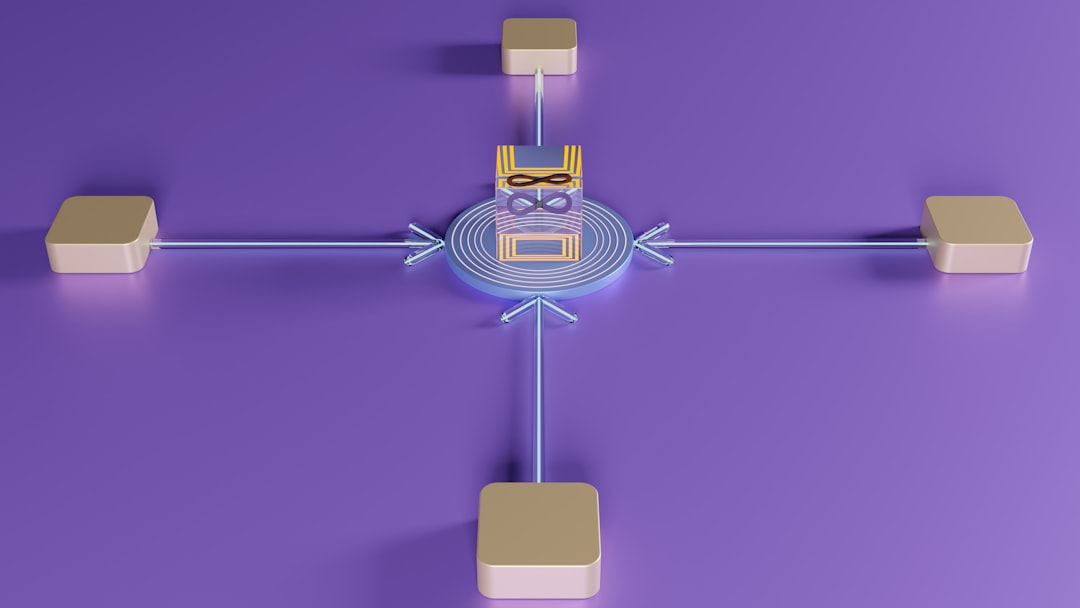
No duplication. No mess.
2. Faster Performance
Headless CMS works beautifully with modern frameworks like React or Vue.
Developers can build lightning-fast front ends.
Content loads quickly because it’s delivered via API. Not dragged through heavy templates.
Speed matters. Users leave slow sites in seconds.
3. Total Design Freedom
Designers and developers are not trapped.
They are free to build custom experiences without fighting the CMS.
You want a progressive web app? Go for it.
A smart fridge interface? Why not.
The CMS doesn’t care. It simply delivers content.
4. Better Collaboration
Marketing teams create content.
Developers build presentation layers.
Both work independently. No stepping on toes.
This speeds up production dramatically.
Key Features That Help You Scale
Not all headless CMS platforms are equal. Here are the features that truly support scaling.
API-First Architecture
The entire system is built around APIs. This is the core.
Strong APIs mean:
- Reliable content delivery
- Easy integration
- Flexible expansion
If APIs are weak, scaling becomes painful.
Cloud-Based Infrastructure
Most modern headless systems are cloud-native.
This means:
- Automatic scaling
- High uptime
- Global content delivery
No worrying about server crashes during traffic spikes.
Content Modeling
Content modeling lets you define structure.
Blog posts. Products. Landing pages. FAQs.
You design reusable blocks of content.
This creates consistency across platforms.
It also makes updates easier in the future.
Role-Based Permissions
As teams grow, so does complexity.
Good headless CMS software allows:
- Custom user roles
- Publishing workflows
- Approval systems
This keeps your process organized.
Localization and Multi-Site Support
Scaling often means going global.
Look for:
- Multi-language capabilities
- Region-based content variations
- Centralized multi-site management
This prevents managing ten separate systems for ten countries.
Image not found in postmetaReal-World Use Cases
Let’s make it practical.
E-commerce Brands
An online store needs product details everywhere.
- Main website
- Mobile app
- Third-party marketplaces
- In-store displays
With a headless CMS, product information updates in one place.
All platforms reflect changes instantly.
No inconsistencies. No outdated prices.
Media Companies
News outlets publish rapidly.
Articles must appear on:
- Websites
- Mobile apps
- Smart TV apps
- News aggregators
Headless CMS enables simultaneous distribution.
Speed is everything in media.
Growing Startups
A startup may begin with just a website.
Later they add:
- A mobile app
- A customer portal
- An internal dashboard
With a traditional CMS, expansion gets messy.
With a headless CMS, expansion is smooth.
Headless vs Traditional CMS: Quick Comparison
Here’s a simple breakdown.
Traditional CMS:
- Front end and back end tightly connected
- Limited flexibility
- Quick setup for simple sites
- Harder to scale across channels
Headless CMS:
- Front end and back end separate
- API-driven
- Highly customizable
- Built for multi-channel growth
If you only need a small blog, traditional might work.
If you plan to grow big, headless makes more sense.
Common Myths About Headless CMS
“It’s Only for Big Companies”
Not true.
Startups benefit massively from flexibility early on.
“It’s Too Technical”
Yes, developers are involved.
But many modern platforms offer user-friendly dashboards for marketers.
“It’s More Expensive”
Initial setup may require investment.
But long term, it reduces rebuild costs.
Scalability saves money over time.
Things to Consider Before Choosing One
Before jumping in, think about your goals.
- How many platforms will you publish to?
- Do you need global content delivery?
- How large is your team?
- Do you have developer resources?
A headless CMS shines when multi-channel delivery matters.
If your business is growing fast, future-proofing is crucial.

The Future of Content Is Headless
The digital landscape keeps expanding.
New devices appear every year.
Voice assistants. AR glasses. Smart cars.
Content must flow smoothly into all of them.
A headless CMS prepares you for that future.
It offers:
- Flexibility
- Speed
- Security
- Scalability
Instead of rebuilding your system every few years, you evolve.
You plug into new channels with minimal disruption.
Final Thoughts
Scaling content delivery is no longer optional.
Customers expect seamless experiences across platforms.
They switch from phone to laptop to app without thinking.
Your content infrastructure must keep up.
Headless CMS software makes that possible.
It removes limitations. It speeds up development. It simplifies updates.
Most importantly, it lets you grow without chaos.
So if your brand plans to expand…
If you want flexibility…
If you are tired of content bottlenecks…
Headless might just be the smartest move you make.