






















Blockchain technology has transformed financial systems by introducing decentralized, transparent, and immutable ledgers. However, raw blockchain data is complex, fragmented, and difficult to interpret without specialized tools. This is where blockchain analytics platforms play a crucial role. By transforming transactional data into actionable insights, these platforms enable businesses, investors, compliance teams, and developers to better understand on-chain behavior and make informed decisions.
TLDR: Blockchain analytics platforms transform complex on-chain data into actionable insights for compliance, trading, risk management, and research. Leading platforms such as Chainalysis, Nansen, Glassnode, and Dune offer specialized tools ranging from regulatory monitoring to advanced DeFi analytics. These tools help businesses detect fraud, monitor smart contracts, evaluate market sentiment, and understand blockchain ecosystem activity. Choosing the right platform depends on specific needs such as compliance, investment strategy, or technical research.
As blockchain adoption rises across industries, the ability to track fund flows, identify wallet behavior, and analyze decentralized finance (DeFi) ecosystems has become essential. Below is an in-depth look at four prominent blockchain analytics platforms that deliver powerful on-chain insights.
1. Chainalysis
Chainalysis is widely recognized as a leader in blockchain intelligence and compliance solutions. Designed primarily for governments, financial institutions, and crypto businesses, it focuses heavily on risk monitoring, anti-money laundering (AML), and regulatory compliance.
Key Features
- Transaction Monitoring: Real-time alerts to detect suspicious activities and illicit transaction flows.
- Entity Attribution: Identifies and labels millions of cryptocurrency addresses to known entities such as exchanges or darknet markets.
- Risk Scoring: Evaluates wallet addresses and transactions for compliance risk.
- Investigation Tools: Provides visual mapping of fund flows across multiple blockchains.
Chainalysis helps organizations trace digital asset movements and identify connections between wallets. Law enforcement agencies often rely on its robust investigative tools to combat crypto-related fraud and cybercrime.
For exchanges and financial service providers, the platform improves compliance workflows by automating suspicious activity detection. This reduces manual review burdens while enhancing regulatory reporting accuracy.
Best For: Regulatory compliance, fraud investigations, enterprise risk mitigation.
2. Nansen
Nansen distinguishes itself by combining on-chain data with wallet labeling and real-time analytics tailored to investors and traders. It focuses on identifying smart money movements and emerging trends within DeFi and NFT markets.
The platform labels wallets belonging to funds, whales, and institutions, enabling users to monitor high-value transactions and understand capital flow dynamics.
Key Features
- Smart Money Tracking: Tracks activity from successful crypto investors and institutions.
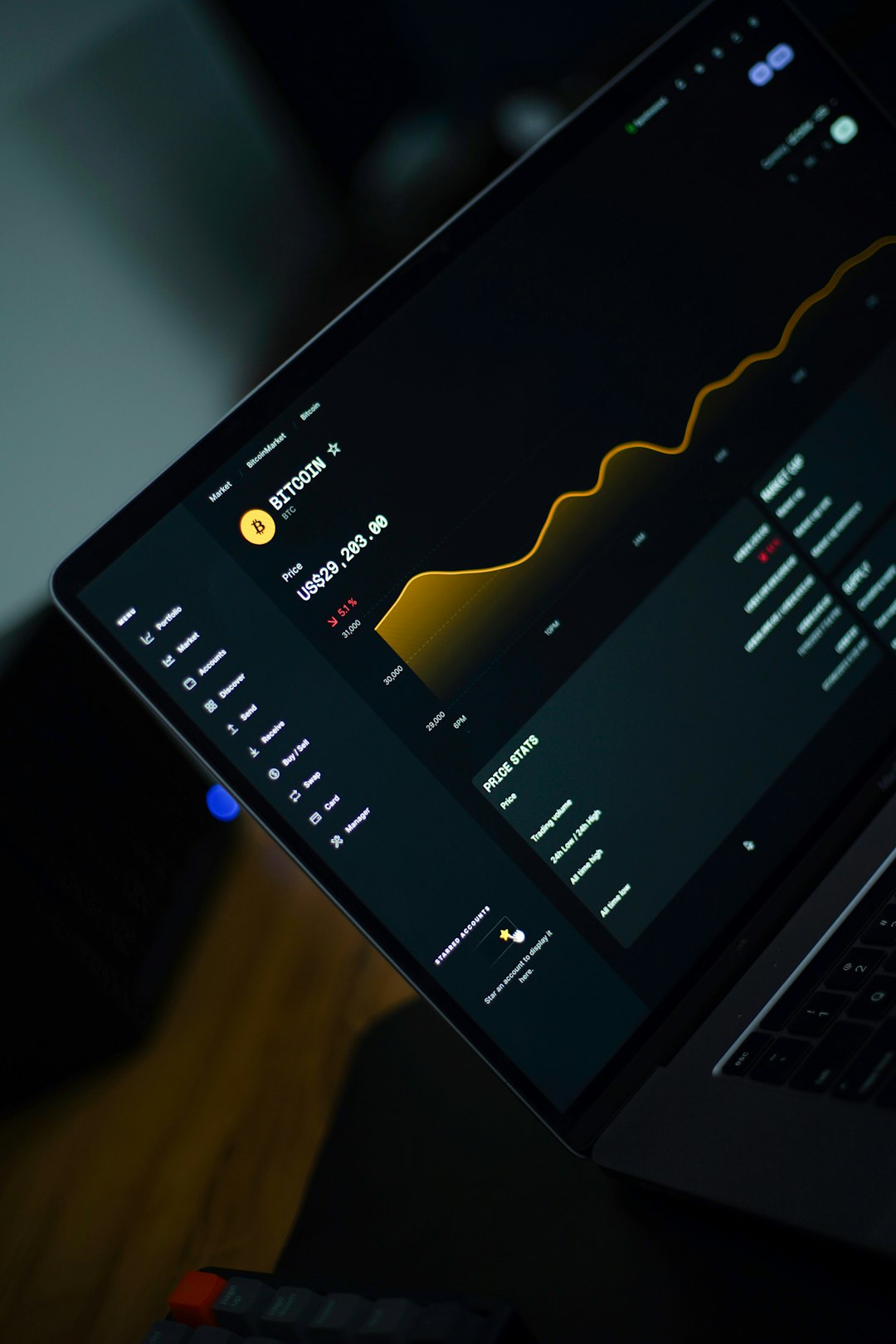
- Token Analytics: Offers detailed dashboards showing token inflows, outflows, and holder metrics.
- NFT Insights: Monitors NFT mints, sales, and whale participation.
- Portfolio Tracking: Provides wallet-level portfolio analysis.
By identifying behavioral patterns among profitable investors, Nansen enables traders to align their strategies with observed on-chain signals. For example, tracking early entries of venture capital wallets into new protocols can help retail participants identify promising projects.
The platform also simplifies complex DeFi data by visualizing liquidity pool movements, staking flows, and governance token trends.
Best For: Active traders, DeFi investors, NFT analysts, venture funds.
3. Glassnode
Glassnode specializes in blockchain data intelligence and macro-level market indicators. It aggregates and interprets on-chain metrics to provide insights into network activity, investor sentiment, and market cycles.
Unlike transaction-focused platforms, Glassnode emphasizes time-series data and statistical indicators derived from blockchain activity.
Key Features
- On-Chain Metrics: Active addresses, transaction volumes, miner flows, and realized cap metrics.
- Market Indicators: Long-term holder supply, dormancy metrics, and profit-loss ratios.
- Institutional Reports: In-depth research publications and weekly insights.
- Cross-Asset Support: Coverage for Bitcoin, Ethereum, and other major blockchains.
Glassnode’s strength lies in contextualizing on-chain signals within macroeconomic frameworks. Investors use metrics such as the Net Unrealized Profit/Loss (NUPL) or Long-Term Holder Supply to gauge whether markets are overheated or undervalued.
By interpreting historical data trends, the platform assists analysts in anticipating potential bull or bear cycles. This makes it particularly useful for long-term investment strategies rather than day trading.
Best For: Market researchers, institutional investors, long-term holders.
4. Dune
Dune takes a community-driven and customizable approach to blockchain analytics. It allows users to query blockchain datasets using SQL and build their own dashboards. This flexibility makes it popular among developers, analysts, and DAO communities.
Unlike other platforms that provide predefined metrics, Dune empowers users to create tailored analyses.
Key Features
- Custom Queries: SQL-based queries for Ethereum and other supported chains.
- Community Dashboards: Public dashboards covering DeFi, NFTs, DAOs, and token activity.
- Real-Time Updates: Continuously refreshed blockchain data.
- Open Data Access: Transparent methodology and sharable reports.
Dune’s collaborative environment encourages analysts to publish dashboards that others can fork or modify. This has resulted in rich public resources covering governance proposals, protocol revenue, token emissions, and liquidity flows.
For DAOs and DeFi teams, Dune dashboards offer transparency by publicly displaying treasury balances and voting statistics.
Best For: Developers, DAO members, independent researchers, data analysts.
Why Blockchain Analytics Matters
Blockchain networks are transparent by design, but transparency without interpretation provides limited value. Analytics platforms transform raw data into structured intelligence, enabling:
- Fraud Detection: Identifying suspicious wallet connections and illicit activity.
- Market Forecasting: Recognizing accumulation or distribution patterns.
- Risk Assessment: Evaluating exposure to risky counterparties.
- Protocol Analysis: Measuring DeFi growth and user engagement.
- Regulatory Compliance: Meeting AML and KYC requirements.
As decentralized finance continues to expand, analytics capabilities will likely become more advanced, incorporating artificial intelligence and predictive modeling.
Choosing the Right Platform
Selecting a blockchain analytics solution depends largely on the intended use case. Key considerations include:
- Purpose: Is the primary goal compliance, trading, or research?
- Blockchain Coverage: Does the platform support relevant networks?
- Customization Needs: Are prebuilt dashboards sufficient, or is SQL access required?
- Budget: Enterprise solutions often require higher subscription tiers.
Enterprises may gravitate toward compliance-focused platforms like Chainalysis, while active traders may favor Nansen’s smart money tracking. Strategic investors may rely on Glassnode’s macro indicators, and technically skilled analysts may prefer Dune’s flexibility.
The Future of On-Chain Analytics
Blockchain analytics is rapidly evolving. With the rise of layer 2 networks, cross-chain bridges, and zero-knowledge technology, insights must expand beyond simple transaction tracking. Emerging trends include:
- Cross-Chain Monitoring: Tracking assets across multiple ecosystems.
- AI-Driven Alerts: Predictive fraud detection based on behavioral patterns.
- DeFi Risk Modeling: Assessing smart contract vulnerabilities and liquidity stress.
- Institutional Integration: Embedding analytics into traditional financial workflows.
As adoption grows, on-chain analytics may become as essential to blockchain ecosystems as financial statements are to public companies.
FAQ
1. What is blockchain analytics?
Blockchain analytics refers to the process of collecting, analyzing, and interpreting blockchain transaction data to generate insights about wallet activity, market trends, and risk exposure.
2. Are blockchain analytics platforms only for law enforcement?
No. While some platforms are widely used in compliance and investigations, many are designed for traders, investors, researchers, and developers.
3. Is blockchain analytics legal?
Yes. Blockchain networks are public ledgers, and analyzing publicly available data is generally legal. However, users must still comply with regional privacy and data protection regulations.
4. Which platform is best for DeFi insights?
Nansen and Dune are particularly strong in DeFi analytics, offering detailed views into liquidity pools, governance, and token flows.
5. Can beginners use these platforms?
Some platforms, like Glassnode and Nansen, offer beginner-friendly dashboards. Others, like Dune, require technical knowledge such as SQL querying.
6. Do these platforms support multiple blockchains?
Most major platforms support multiple networks, including Bitcoin and Ethereum, with varying degrees of coverage for newer chains.
7. Why are on-chain metrics important for investors?
On-chain metrics provide visibility into real-time market behavior, helping investors identify accumulation trends, sell-offs, and long-term holder activity.
By leveraging advanced analytics tools, stakeholders across the crypto ecosystem can transform transparent blockchain data into meaningful, strategic intelligence.