








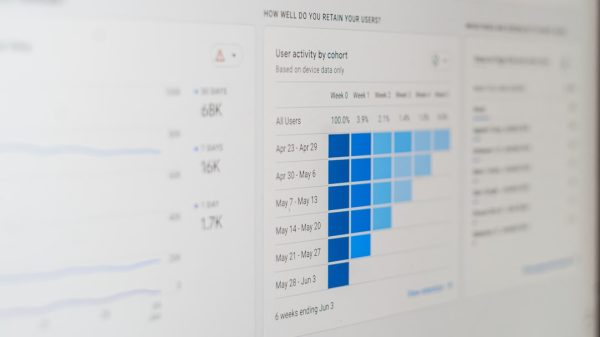
















Pet ownership has entered a new digital era, where technology plays a central role in ensuring animals live longer, healthier, and happier lives. Modern pet care platforms now allow owners to track health metrics, daily routines, nutrition, exercise, and even mood patterns—all from a smartphone or computer.
TLDR: Pet care platforms help owners monitor their pets’ health, activity levels, feeding schedules, and medical records in one centralized location. Many systems integrate with smart collars, GPS trackers, and wearable devices to provide real-time insights. These tools improve preventive care, support early detection of health issues, and simplify communication with veterinarians. As pet tech evolves, digital monitoring is becoming a standard part of responsible pet ownership.
With increasingly busy lifestyles, many owners rely on digital tools to stay connected to their pets even when they are away. These platforms do more than track steps or meals—they create comprehensive health ecosystems that empower proactive care.
How Pet Care Platforms Work
At their core, pet care platforms collect, organize, and analyze data about a pet’s daily life. Information may come from manual input (such as food logs or medication schedules) or automated devices like wearable trackers and smart feeders.
Most platforms include features such as:
- Activity tracking – Monitoring daily movement, rest, and playtime
- Health records storage – Vaccination history, medications, vet visits
- Nutrition management – Feeding schedules and caloric tracking
- GPS location tracking – Real-time mapping and safe zones
- Behavior logging – Mood patterns and unusual behaviors
By compiling these data points, the systems can detect trends. For example, a noticeable decrease in activity levels might indicate joint pain, illness, or emotional distress. Early alerts allow owners to seek veterinary care before conditions worsen.
Wearable Devices and Smart Collars
One of the biggest advancements in pet health monitoring is wearable tech. Similar to human fitness trackers, smart collars and harness devices measure activity, sleep quality, heart rate (in advanced models), and location.

Smart collars provide insight into:
- Daily step count
- Calories burned
- Sleep duration and restlessness
- Geofencing alerts if a pet leaves a designated area
This type of monitoring is particularly valuable for:
- Overweight pets needing exercise regulation
- Senior animals with mobility concerns
- Dogs prone to wandering
- Pets with chronic conditions
Because data is synchronized automatically with mobile apps, owners receive real-time notifications and historical trend analyses.
Centralized Health Record Management
Another essential function of pet care platforms is digital health record management. Rather than relying on paper files or scattered emails, owners can store vaccination dates, prescriptions, microchip numbers, and test results in a secure digital hub.
This offers several advantages:
- Accessibility: Records are available anytime, anywhere.
- Emergency preparedness: Quick access to allergies and medical conditions.
- Travel convenience: Easy sharing of vaccination proof.
- Veterinary collaboration: Direct communication channels with clinics.
Some platforms even integrate telehealth services, allowing virtual consultations based on shared health data. This reduces unnecessary clinic visits and supports faster decision-making.
Smart Feeding and Nutrition Monitoring
Proper nutrition is foundational to overall health. Pet tech now includes automated feeders that portion meals based on weight, age, and dietary needs.

Key features often include:
- Scheduled feeding times
- Remote treat dispensing
- Calorie tracking dashboards
- Alerts for missed meals
This level of monitoring is especially useful for:
- Pets on weight-loss plans
- Animals with diabetes or digestive disorders
- Multi-pet households requiring controlled portions
When combined with activity trackers, feeding systems help create a complete picture of energy intake versus expenditure.
Behavior and Mood Tracking
Some modern platforms go beyond physical metrics to assess behavioral patterns. Owners can log observations about anxiety, aggression, lethargy, or excessive scratching.
Long-term behavioral tracking can reveal patterns like:
- Seasonal allergies
- Stress-related responses to environmental changes
- Separation anxiety trends
- Age-related cognitive decline
Data visualization tools, such as charts and trend reports, make it easier to identify subtle shifts. Veterinarians can then use this information to make evidence-based recommendations.
Environmental Monitoring Systems
Indoor environmental factors significantly affect pet health. Certain platforms integrate with home devices to monitor temperature, humidity, and air quality.

These systems can:
- Alert owners if temperatures exceed safe levels
- Detect smoke or carbon monoxide
- Provide live video feeds
- Enable two-way audio communication
This added layer of security brings peace of mind, especially for pet owners who work long hours or travel frequently.
Comparison of Popular Pet Care Platform Types
| Feature | Wearable Tracker Platforms | All-in-One Care Apps | Smart Feeding Systems |
|---|---|---|---|
| Activity Monitoring | Advanced real-time tracking | Manual or integrated data | Limited |
| GPS Location | Often included | Sometimes integrated | Not included |
| Health Record Storage | Basic summaries | Comprehensive records | Minimal |
| Feeding Management | Calorie estimates | Manual tracking | Automated scheduling |
| Best For | Active dogs, escape risks | Organized long-term care | Weight and diet control |
Key Benefits of Pet Monitoring Platforms
The growing popularity of these platforms is tied to clear, measurable benefits.
1. Early Detection of Health Issues
Subtle changes in activity, appetite, or sleep can signal underlying problems. Digital logs make these changes easier to detect.
2. Improved Preventive Care
Vaccination reminders, medication alerts, and routine checkup scheduling reduce missed appointments.
3. Better Weight Management
With obesity affecting a significant percentage of pets, tracking calorie intake and exercise levels promotes healthier living.
4. Enhanced Safety
GPS tracking and environmental alerts reduce the risk of lost pets or unsafe living conditions.
5. Strengthened Vet Collaboration
Detailed historical data improves diagnostic accuracy during veterinary visits.
Choosing the Right Platform
When selecting a pet care platform, owners should evaluate:
- Species compatibility – Some tools focus primarily on dogs.
- Subscription costs – Many platforms require monthly fees.
- Battery life and durability – Especially important for outdoor pets.
- Data security – Protection of personal and location information.
- User interface – Simplicity encourages consistent use.
It is often beneficial to begin with a single-function device and gradually expand into integrated systems.
The Future of Digital Pet Care
Emerging technologies promise even greater innovation. Artificial intelligence is being used to analyze bark patterns, gait movement, and facial expressions to detect pain or emotional distress. Machine learning algorithms may soon predict illness before symptoms become obvious.
Integration with veterinary practice management software is also expanding. In the future, automated reports could be sent directly to clinics, enabling continuous monitoring rather than isolated appointments.
As technology becomes more affordable and user-friendly, pet care platforms are likely to become mainstream tools rather than luxury add-ons.
Frequently Asked Questions (FAQ)
1. Are pet care platforms suitable for all types of pets?
Many platforms are designed primarily for dogs and cats, but options are increasingly available for smaller mammals and even livestock. Owners should verify species compatibility before purchasing.
2. Do these platforms replace regular veterinary visits?
No. While they enhance monitoring and provide helpful insights, they do not replace professional examinations or diagnostics. They serve as complementary tools.
3. Is GPS tracking safe for pets?
Yes, most GPS collars are lightweight and designed for comfort. It is important to choose the correct size and ensure proper fit to prevent irritation.
4. How accurate are activity trackers for pets?
Modern devices are generally reliable for tracking trends and relative changes. However, exact calorie calculations may vary depending on breed, age, and individual metabolism.
5. Are subscription fees common?
Many GPS-enabled and cloud-based systems require monthly or annual subscriptions to maintain real-time data access and storage.
6. Can multiple pets be added to one account?
Most all-in-one care apps allow multi-pet management, making them ideal for households with several animals.
7. What is the biggest advantage of using a pet care platform?
The primary advantage is the ability to detect changes early and respond quickly, which can significantly improve overall health outcomes and quality of life.
As pet ownership continues to evolve alongside digital innovation, pet care platforms are redefining what attentive, proactive care looks like. By combining health monitoring, behavioral insights, and smart home integration, these tools empower owners to make informed decisions—ensuring their companions enjoy safer, healthier lives.