









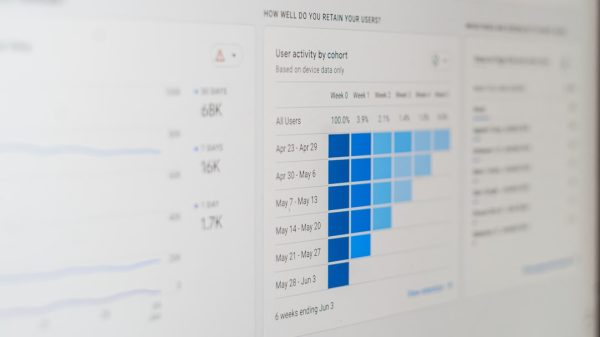















In today’s competitive mobile ecosystem, launching an app is only the beginning. The real challenge lies in keeping users engaged long enough for them to see real value. With millions of apps competing for attention, user retention has become one of the most critical metrics for long-term success. This is where mobile app analytics platforms play a transformative role, offering deep insights that help teams understand, optimize, and personalize the user journey.
TLDR: Mobile app analytics platforms help businesses track user behavior, understand churn, and optimize engagement strategies to improve retention. By analyzing user journeys, segmenting audiences, and measuring key metrics, companies can make data-driven decisions. The right platform provides actionable insights, real-time reporting, and automation tools. Ultimately, analytics platforms empower app teams to build stronger, long-lasting user relationships.
Retention is not achieved by guesswork. It requires a structured approach backed by reliable data. From identifying friction points in onboarding flows to analyzing feature usage trends, analytics tools allow businesses to refine every stage of the customer lifecycle.
Why User Retention Is the Ultimate Growth Metric
While downloads often grab headlines, retention determines profitability and sustainability. Acquiring new users is significantly more expensive than keeping existing ones. High retention rates lead to:
- Increased lifetime value (LTV)
- Lower acquisition costs over time
- Stronger brand loyalty
- Higher conversion rates for premium features
Analytics platforms give teams the clarity they need to improve these metrics. By moving beyond surface-level data like downloads and focusing on behavioral patterns, companies can take targeted action that boosts engagement.
Core Features of Mobile App Analytics Platforms
Effective analytics platforms share a set of foundational capabilities that directly impact retention strategy.
1. User Behavior Tracking
User behavior tracking provides visibility into how individuals interact with an app. This includes:
- Screen views
- Button taps
- Session lengths
- Navigation paths
- Feature usage frequency
By mapping behavioral trends, product teams can identify where users engage most and where they drop off.

For example, if data shows that a significant percentage of users abandon the app during the registration process, this signals friction in onboarding. Addressing that friction could dramatically improve Day 1 retention.
2. Funnel Analysis
Funnels visualize step-by-step user progression within a defined process, such as signing up or completing a purchase. Analytics tools measure how many users move from one step to the next, revealing bottlenecks.
By continuously testing variations in copy, layout, or functionality, teams can optimize conversion at each step. Small incremental improvements across funnel stages often result in significant retention gains over time.
3. Cohort Analysis
Cohort analysis segments users into groups based on shared characteristics or events, such as:
- Date of install
- Acquisition channel
- Geographic location
- Device type
This approach allows businesses to compare retention patterns across cohorts. For example, users acquired through organic search may demonstrate stronger engagement than those coming from certain ad campaigns. Understanding these differences enables better budget allocation and content strategies.
4. Retention and Churn Monitoring
Retention tracking measures how many users return over specific time frames (Day 1, Day 7, Day 30). Churn metrics highlight when and where users stop engaging.
Advanced analytics platforms apply predictive modeling to detect churn signals before users leave permanently. These early warnings enable proactive interventions such as personalized messages or incentives.
How Analytics Platforms Directly Improve Retention
Data alone does not increase retention; actionable insight does. The most effective platforms translate raw metrics into clear opportunities.
Personalized User Experiences
Segmentation tools allow businesses to customize content and offers based on behavior. A fitness app, for example, might send workout reminders based on previous activity patterns. By aligning communication with user preferences, the app becomes more relevant and harder to abandon.
Improved Onboarding Journeys
Onboarding often determines whether users return after their first session. Analytics tools track completion rates for tutorials and setup steps, revealing where confusion occurs.
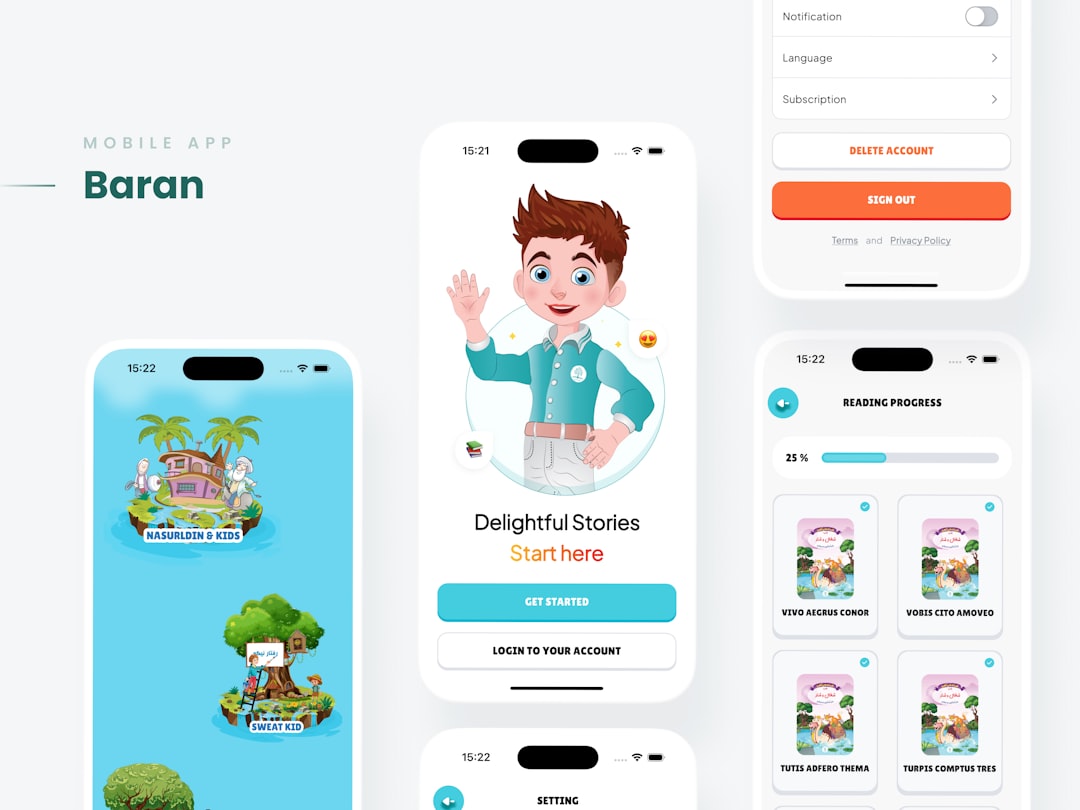
By testing variations in onboarding flows and monitoring user responses, teams can remove barriers and shorten time-to-value. When users experience benefits quickly, retention improves.
Push Notification Optimization
Push notifications can drive engagement or increase churn if misused. Analytics platforms measure open rates, response rates, and downstream actions following each notification.
Data-driven timing and targeting ensure messages feel helpful rather than intrusive. For instance, a shopping app might analyze browsing data to trigger reminders for abandoned carts at optimal times.
Feature Adoption Tracking
Not all features are equally valuable to users. Analytics identifies which capabilities are frequently used and which remain underutilized.
- High-use features can be expanded or refined.
- Low-use features may require redesign or better visibility.
- Unused features can be retired to simplify the interface.
This continuous optimization keeps the app streamlined and aligned with user priorities.
Types of Mobile App Analytics Platforms
Different categories of analytics platforms address specific retention objectives.
Product Analytics Platforms
These focus on user behavior within the app, offering detailed event tracking, funnels, and cohort analysis. They are essential for product teams seeking UX improvements.
Marketing Analytics Platforms
Marketing-focused tools emphasize acquisition sources, campaign performance, and attribution modeling. By understanding which channels deliver high-retention users, businesses can refine advertising strategies.
Customer Engagement Platforms
These integrate analytics with messaging tools like push notifications, in-app messages, email, and SMS. The advantage lies in immediate action—users can be segmented and re-engaged based on real-time behavior.

Key Metrics to Monitor for Retention Success
Analytics platforms provide a vast range of data points, but certain metrics are especially meaningful when targeting retention improvements:
- Daily Active Users (DAU)
- Monthly Active Users (MAU)
- DAU/MAU Ratio (Stickiness)
- Session Duration
- Customer Lifetime Value (LTV)
- Churn Rate
Monitoring these indicators consistently helps teams detect trends early and measure the impact of strategic changes.
Choosing the Right Analytics Platform
Not all platforms are equally suited for every app. When evaluating options, businesses should consider:
- Scalability: Can the platform handle growing user bases?
- Integration: Does it connect seamlessly with other tools?
- Real-time reporting: Are insights delivered instantly?
- Ease of use: Can non-technical teams navigate dashboards?
- Privacy compliance: Does it adhere to data regulations?
The ideal platform balances comprehensive analytics with user-friendly interfaces and strong data governance.
Best Practices for Using Analytics to Boost Retention
Simply installing an analytics tool will not improve retention automatically. Teams must adopt disciplined practices:
- Define clear retention goals before tracking data.
- Map key user journeys to identify optimization targets.
- Continuously test and iterate using A/B experiments.
- Act quickly on insights through personalized engagement.
- Regularly review metrics to adapt strategies.
Organizations that treat analytics as an ongoing process rather than a one-time implementation often see the greatest retention improvements.
The Future of Mobile App Retention Analytics
The next evolution of analytics platforms centers on artificial intelligence and predictive modeling. Advanced algorithms already assist in forecasting churn probability and recommending optimal engagement strategies.
Going forward, analytics tools are expected to offer more automated recommendations, enhanced privacy safeguards, and deeper personalization capabilities. Apps that leverage these functionalities will gain a significant advantage in maintaining long-term user loyalty.
Ultimately, mobile app analytics platforms serve as both microscope and compass—revealing hidden user behavior patterns while guiding strategic direction. In a digital environment where user attention is fleeting, retention depends on precision, relevance, and continuous improvement.
Frequently Asked Questions (FAQ)
1. What is a mobile app analytics platform?
A mobile app analytics platform is a software solution that tracks, analyzes, and reports user behavior within an app. It provides insights that help businesses improve engagement, retention, and revenue.
2. Why is user retention more important than downloads?
Downloads indicate initial interest, but retention reflects sustained value. Retained users contribute to higher lifetime value, recurring revenue, and stronger brand advocacy.
3. How does cohort analysis improve retention strategies?
Cohort analysis groups users based on shared characteristics, allowing businesses to compare retention patterns and identify which segments require targeted improvements.
4. Can small businesses benefit from mobile analytics platforms?
Yes. Even small apps can significantly improve retention by understanding user behavior and optimizing experiences based on data-driven insights.
5. How often should app analytics data be reviewed?
Teams should monitor key metrics regularly—often weekly or monthly—while keeping an eye on real-time alerts that signal sudden changes in user behavior.