






















Free trial offers are one of the most powerful marketing tools companies use to attract new customers. However, identifying legitimate and truly free trial offers on company websites is not always straightforward. Some trials come with hidden conditions, automatic billing clauses, or limited functionality that may surprise unsuspecting users. Knowing how to carefully examine a company’s website can help consumers distinguish between genuine free trials and offers that may involve unexpected commitments.
TLDR: Identifying a legitimate free trial offer requires reading beyond bold marketing headlines and examining the terms and conditions. Consumers should verify trial duration, billing policies, cancellation procedures, and feature access before signing up. Warning signs include hidden fees, unclear renewal terms, and required credit card information without transparency. Taking a few extra minutes to investigate can prevent unwanted charges and frustration.
Understanding how to analyze website language, page layout, and fine print ensures that users make informed decisions before providing payment details or personal information.
Why Companies Offer Free Trials
Before identifying a free trial, it helps to understand why companies provide them. Businesses use trials to:
- Demonstrate product value before asking for payment
- Build trust with potential customers
- Encourage product familiarity and habit formation
- Increase conversion rates after the trial ends
While many companies offer honest trial experiences, others rely on confusion or unclear policies to convert users into paying subscribers automatically. Recognizing the difference requires paying attention to several important details.
Start at the Homepage and Pricing Page
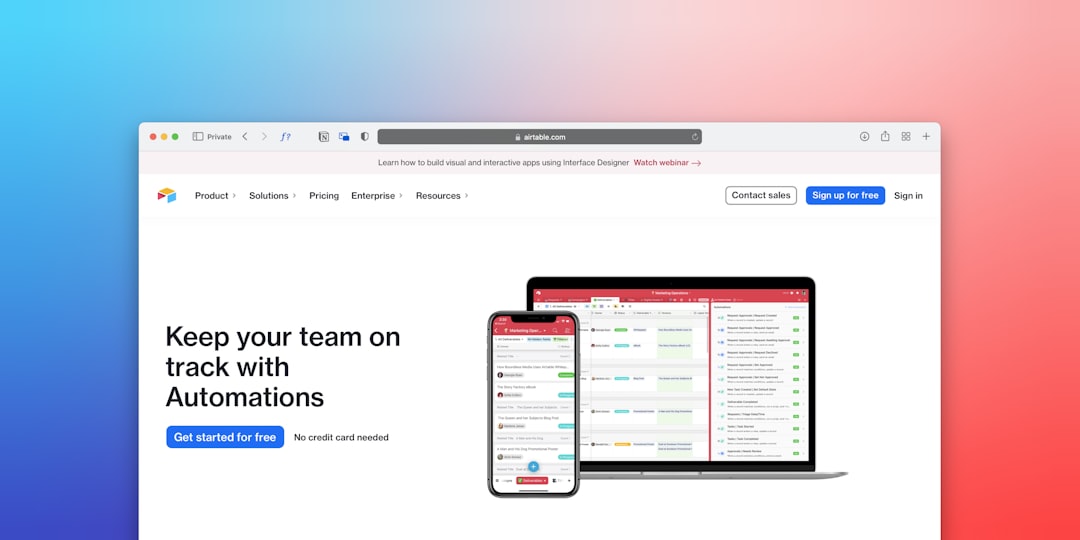
Most free trial offers are prominently displayed on a company’s homepage or pricing page. Phrases such as “Start Your Free Trial,” “Try for 14 Days Free,” or “No Commitment Trial” are common indicators.
Image not found in postmetaConsumers should look for:
- Clear statement of trial duration (e.g., 7 days, 14 days, 30 days)
- Whether a credit card is required upfront
- Any immediate charges listed in small text
- Differences between trial and paid plans
If the homepage promotes a trial but lacks specific details, users should navigate to the pricing, FAQ, or terms pages for clarification.
Check the Fine Print Carefully
One of the most critical steps in identifying a genuine free trial is reading the fine print. Companies often disclose key billing practices in smaller text below the primary call-to-action button.
Important phrases to look for include:
- “Automatically renews unless canceled”
- “Subscription begins after trial period”
- “See terms and conditions for details”
- “Limited features during trial”
If the trial automatically converts to a paid subscription, the site should clearly state:
- The exact date billing begins
- The recurring price amount
- The billing frequency (monthly or annual)
- The cancellation deadline
An honest company will present this information transparently instead of hiding it within excessive legal language.
Determine Whether a Credit Card Is Required
Free trials generally fall into two categories:
- No credit card required
- Credit card required upfront
Trials that do not require a credit card are typically lower risk because users cannot be charged automatically. However, they may offer limited features.
Trials requiring credit card information are common among subscription-based services. These are legitimate in many cases, but users should verify:
- Whether charging occurs immediately
- The date when billing starts
- The ease of cancellation
If entering payment information seems mandatory without clear disclosure of billing timelines, the offer should be approached with caution.
Examine the Trial Duration and Limitations
Not all free trials provide full access to the product. Some restrict features, usage limits, or customer support availability.
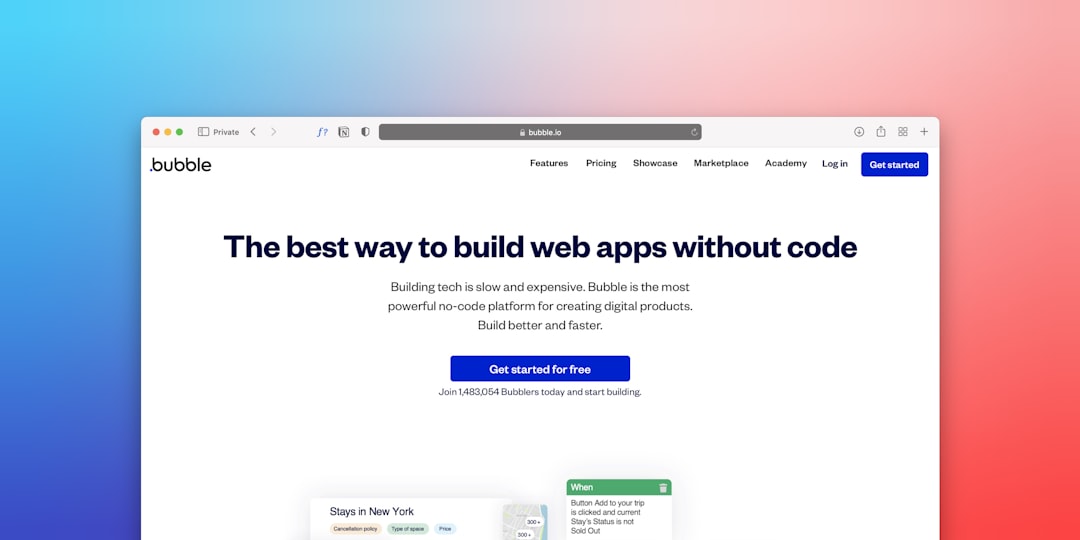
Consumers should check whether the trial includes:
- Full feature utilization
- Limited storage or usage caps
- Access to premium tools
- Customer support services
Legitimate companies typically list these restrictions clearly in a comparison table between the trial version and paid plans.
If the website avoids specifying the differences, that may signal limited transparency.
Locate the Terms and Conditions Page
Every legitimate company should have an accessible Terms and Conditions or Subscription Agreement page. This section contains the legal details surrounding free trials.
When reviewing this section, users should search for:
- Cancellation process instructions
- Refund policies
- Auto-renewal clauses
- Jurisdiction or dispute policies
It is especially important to confirm whether cancellation can be completed online or requires contacting customer support. If cancellation requires phone calls during limited business hours, it may create unnecessary obstacles.
Assess the Cancellation Process
A clear and simple cancellation method is often a sign of a reputable company. Before starting a trial, users should verify how cancellation works.
Reliable indicators include:
- A help center article explaining cancellation steps
- An account dashboard showing a visible “Cancel Subscription” option
- Email confirmation upon cancellation
- No cancellation fees mentioned
If cancellation instructions are vague or difficult to find, the trial may lead to complications later.
Watch for Psychological Marketing Tactics
Company websites often use urgency or scarcity tactics to push trial signups. Phrases such as “Limited Time Offer,” “Only Today,” or countdown timers create pressure.
While urgency marketing is common and not inherently deceptive, consumers should pause and independently verify the details of the offer rather than signing up impulsively.
Red flags may include:
- Countdown timers that reset upon refreshing the page
- High-pressure pop-ups
- Hidden exit buttons
- Pre-checked consent boxes
Transparency should take precedence over urgency.
Research External Reviews
Beyond the company’s website, third-party review sites can provide insight into others’ experiences with the trial.
Individuals should look for patterns such as:
- Complaints about unexpected billing
- Difficulty canceling subscriptions
- Poor customer service during trial periods
- Refund disputes
While isolated complaints are common for any business, repeated allegations of hidden fees may signal an issue.
Verify Contact Information and Transparency
Trustworthy companies typically provide:
- A physical business address
- A customer support email
- A support phone number
- Clear privacy policies
If the website lacks basic contact details, users should approach the free trial with skepticism. Transparency in communication often reflects legitimacy.
Understand Data and Privacy Implications
Some free trials are not monetized through subscriptions but rather through user data collection. Consumers should review the privacy policy to understand:
- What personal data is collected
- How the data is used
- Whether information is shared with third parties
- Whether accounts can be permanently deleted
Free access does not necessarily mean there is no cost. Sometimes, the exchange involves personal information rather than money.
Confirm Trial End Notifications
Some companies send reminder emails before charging users at the end of a trial period. Though not legally required in every region, this practice demonstrates good faith.
Consumers may look in the FAQ section to determine:
- Whether email reminders are sent
- When they are sent (e.g., 3 days before billing)
- How to confirm cancellation
If reminder notifications are not mentioned, it is safer for users to set their own calendar alerts.
Use Virtual Cards or Payment Protections
For extra caution, some users choose to use virtual credit cards with spending limits when trying free trials that require payment information. While this step is optional, it adds a safeguard against unexpected charges.
This strategy is particularly useful when:
- Trying a new or unfamiliar company
- Testing multiple services
- Concerned about auto-renewals
Common Warning Signs of Questionable Free Trials
To summarize, the following red flags may suggest caution:
- No clear statement of trial duration
- Hidden auto-renewal language
- Difficult-to-find cancellation instructions
- No visible customer support contact
- Immediate charges despite “free” claims
- Overly aggressive marketing pop-ups
When any of these signs appear, users should reconsider joining or conduct additional research before proceeding.
Conclusion
Identifying free trial offers on company websites requires more than clicking on a bold promotional button. It involves carefully reviewing pricing details, terms and conditions, billing practices, and cancellation policies. A legitimate trial is transparent about costs, duration, and user responsibilities.
By taking time to verify disclosures and researching company credibility, consumers can enjoy the benefits of testing new services without encountering unexpected financial obligations. Informed attention protects both money and personal data.
Frequently Asked Questions (FAQ)
- What is the difference between a free trial and a freemium plan?
A free trial provides full or partial access for a limited time before requiring payment. A freemium plan offers ongoing basic access at no cost, with optional paid upgrades. - Is it safe to enter credit card details for a free trial?
It can be safe if the company is reputable and clearly states its billing terms. Users should verify auto-renewal policies and cancellation steps before entering payment information. - How can someone avoid being charged after a free trial?
They should cancel before the trial ends and obtain confirmation of cancellation. Setting a reminder several days before the expiration date is highly recommended. - Do all free trials automatically convert to paid subscriptions?
No. Some trials expire without charge. However, many subscription-based services automatically convert unless canceled. - Are companies legally required to disclose auto-renewal terms?
In many regions, businesses must clearly disclose auto-renewal and billing information. However, disclosure placement and format requirements vary by jurisdiction. - What should someone do if they are charged unexpectedly?
They should contact customer support immediately, request a refund if applicable, and review the original terms. If necessary, they may dispute the charge with their bank.