






















Crypto markets never sleep. Prices move at 3 a.m. They jump during lunch. They crash during your vacation. That is why many traders turn to crypto trading bot software. These tools automate strategies and remove emotions from the game. They work fast. They work 24/7. And they follow rules without fear or greed.
TLDR: Crypto trading bots are software programs that automatically buy and sell cryptocurrencies based on preset rules. They help traders save time, reduce emotions, and react faster to market changes. Bots can follow simple or advanced strategies and run all day, every day. However, they still require smart setup, testing, and risk management to be effective.
What Is a Crypto Trading Bot?
A crypto trading bot is a program that connects to a crypto exchange. It uses an API key to access your account. Then it places trades on your behalf.
You set the rules. The bot follows them.
Think of it like a robot assistant. You tell it:
- When to buy
- When to sell
- How much to trade
- When to stop
After that, it does the hard work.
It watches charts. It tracks indicators. It reacts in milliseconds.
Humans feel panic. Bots do not.
Why People Use Automated Trading
Crypto markets move fast. Very fast.
You cannot stare at charts all day. You need sleep. You have a job. You have a life.
Bots solve this problem.
- They work 24/7. Crypto never closes.
- They remove emotions. No fear. No FOMO.
- They react instantly. No hesitation.
- They follow rules strictly. No second guessing.
Consistency is powerful in trading. Bots provide that consistency.
But remember. A bad strategy automated is still a bad strategy.
How Crypto Trading Bot Software Works
The process is simpler than it sounds.
Here is the basic flow:
- You create an account on a trading bot platform.
- You connect it to your exchange using API keys.
- You choose or build a strategy.
- You test it with historical data.
- You go live.
The bot then monitors the market.
It checks price data. It reads indicators. It executes trades when conditions match your rules.
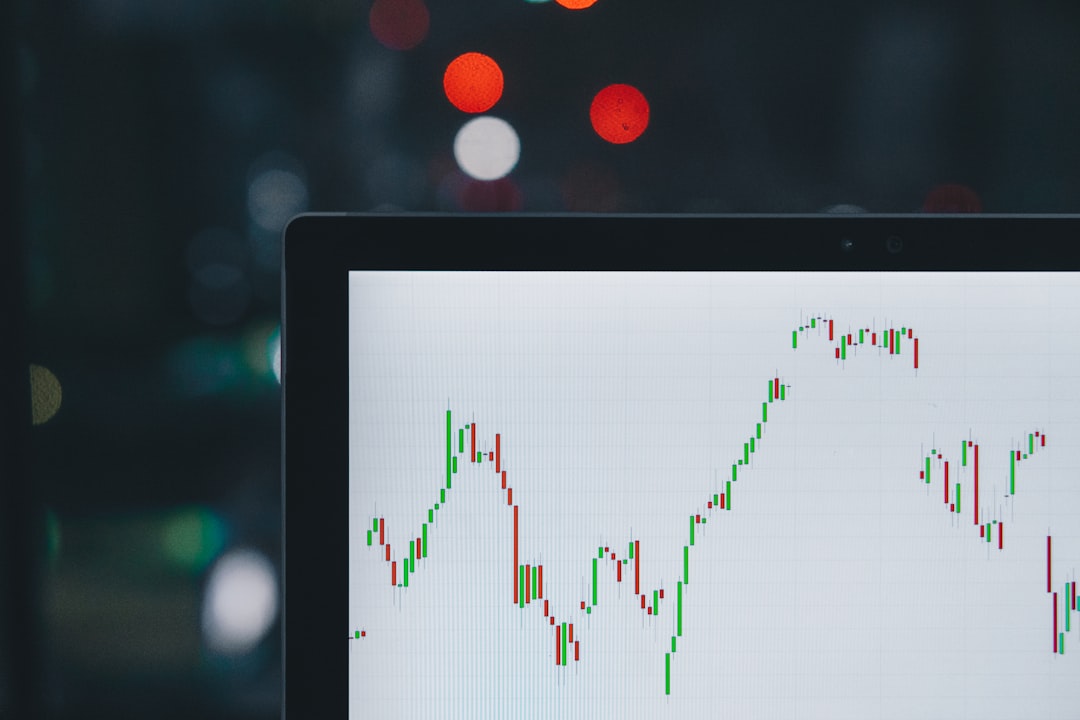
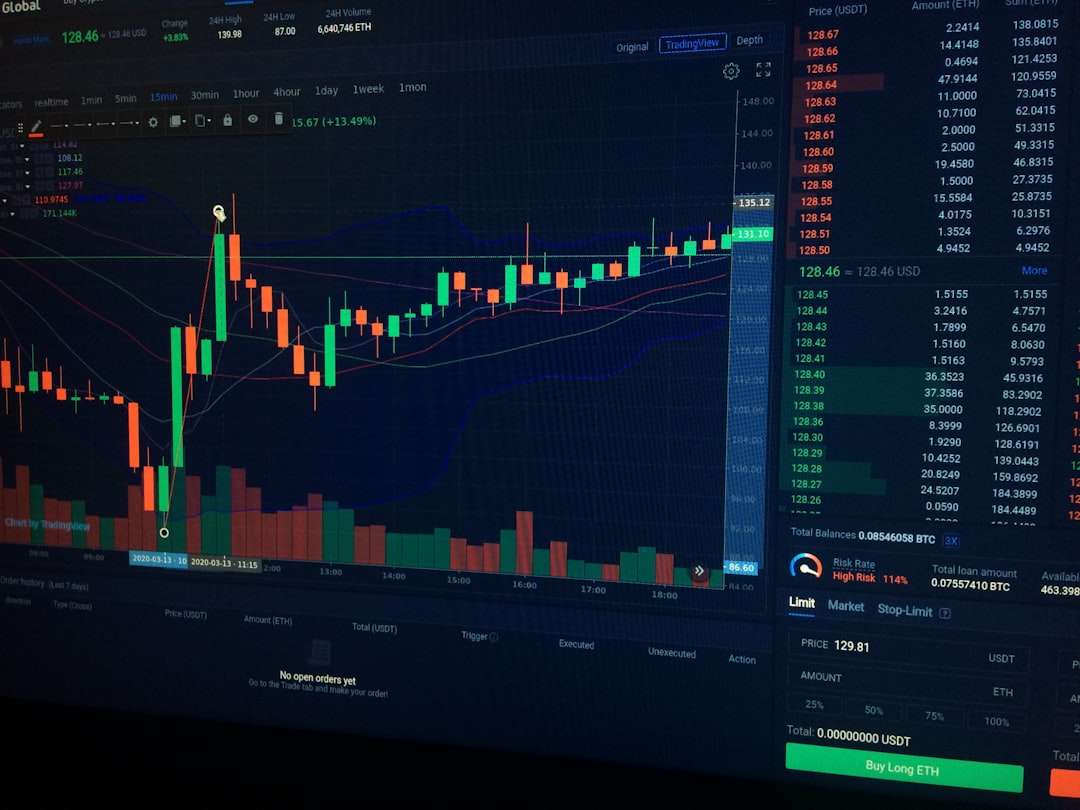
Most platforms offer dashboards. You can see profits. You can adjust settings. You can stop everything with one click.
Popular Automated Trading Strategies
Not all bots use the same logic. Strategies vary a lot.
Here are some common ones.
1. Trend Following
This strategy follows momentum.
If the price is going up, the bot buys.
If the price is going down, the bot sells.
It often uses indicators like:
- Moving Averages
- MACD
- RSI
This works well in strong trending markets. It struggles in sideways markets.
2. Grid Trading
This is very popular in crypto.
The bot places multiple buy and sell orders at different price levels.
It profits from small price swings.
Imagine a ladder. Every step is a trade.
When price moves up and down inside a range, the bot collects small gains.
3. Arbitrage
Prices differ between exchanges.
An arbitrage bot buys on one exchange and sells on another.
The profit comes from the difference.
This strategy requires speed. Competition is high.
4. Dollar Cost Averaging (DCA)
This is simple and beginner-friendly.
The bot buys a fixed amount at regular intervals.
It reduces the impact of volatility.
Many long-term investors love this approach.
Building Your Own Strategy
Some platforms offer drag-and-drop builders.
No coding required.
You can set conditions like:
- If RSI goes below 30, buy.
- If price rises 5%, sell.
- If loss reaches 3%, stop.
Advanced users can write custom scripts.
This allows deep customization.
But with power comes risk.
Complex strategies need testing.
The Importance of Backtesting
Never launch a bot blindly.
Backtesting uses historical data to simulate performance.
It answers one key question:
Would this strategy have worked in the past?
Good bot software provides:
- Historical price data
- Performance metrics
- Profit and loss charts
- Drawdown analysis
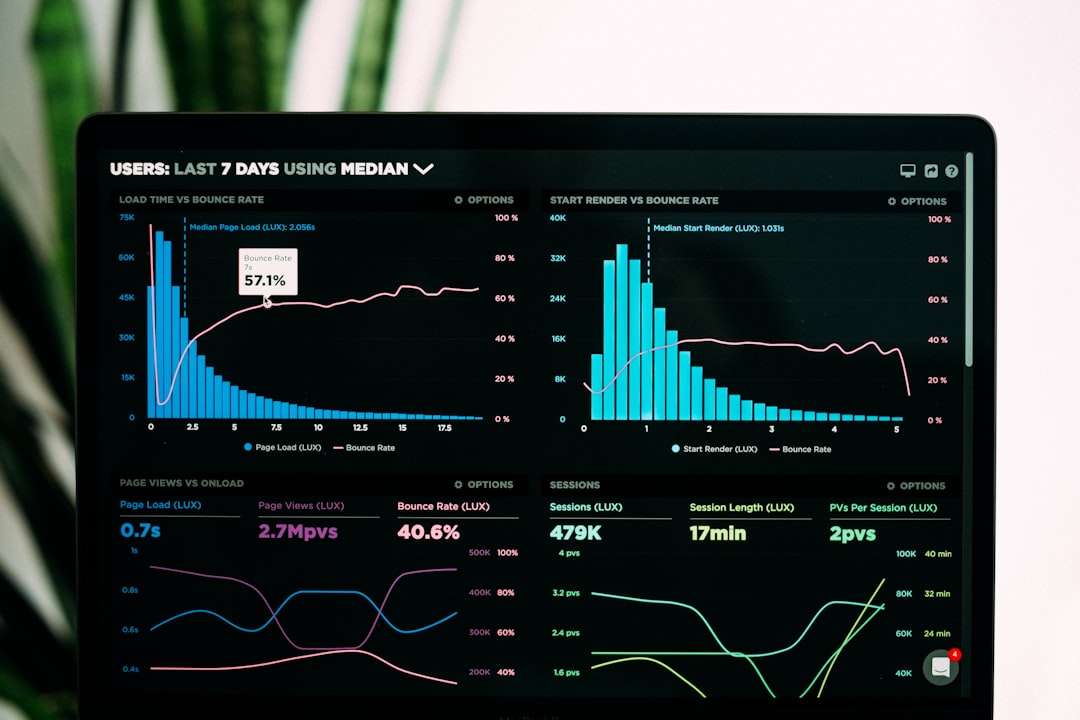
Backtesting is not perfect. Past performance does not guarantee future results.
But it gives confidence. And insight.
Risk Management Is Everything
Automation does not remove risk.
It can actually increase risk if misused.
Here are key risk management tools:
- Stop-loss orders to limit downside
- Take-profit targets to lock in gains
- Position sizing rules to control exposure
- Max daily loss limits to protect capital
Never invest money you cannot afford to lose.
Start small. Then scale up.
Cloud Bots vs Local Bots
There are two main types of bot setups.
Cloud-Based Bots
- Run on remote servers
- No need to keep your computer on
- Accessible from anywhere
Most beginners choose this option. It is easy.
Local Bots
- Installed on your own computer
- Full control
- Requires technical knowledge
If your internet goes down, a local bot may stop working.
Each option has pros and cons.
Artificial Intelligence and Smart Bots
Some modern platforms use AI.
They analyze huge amounts of data.
They adapt strategies over time.
Machine learning models can detect patterns humans miss.
But AI is not magic.
It still depends on data quality and market conditions.
Sometimes simple strategies outperform complex ones.
Common Mistakes Beginners Make
Automation sounds exciting. But mistakes are common.
- Using high leverage. This magnifies losses.
- Skipping testing. Blind launches are dangerous.
- Over-optimizing. A strategy that fits past data perfectly may fail in real markets.
- Ignoring fees. Small fees add up fast.

Patience wins. Hype loses.
Security Matters
Trading bots require API keys.
These keys allow the bot to trade.
Follow basic security rules:
- Disable withdrawal permissions on API keys
- Use two-factor authentication
- Choose reputable platforms
- Never share private keys
If security is weak, automation becomes dangerous.
Costs and Pricing Models
Most crypto trading bot software uses one of these pricing models:
- Monthly subscription
- Tiered plans based on features
- Performance fees
- Free basic plans with paid upgrades
Cheaper is not always better.
Look for reliability. Good support. Strong documentation.
Is Automated Trading Right for You?
Ask yourself a few questions:
- Do you understand basic trading concepts?
- Can you manage risk calmly?
- Are you willing to test and adjust strategies?
If yes, a bot can be powerful.
If not, take time to learn first.
Automation does not replace knowledge.
The Future of Crypto Trading Bots
Automation is growing.
More retail traders use bots every year.
Exchanges integrate native automation tools.
AI keeps improving.
In the future, we may see:
- Smarter predictive models
- Fully automated portfolio management
- Cross-chain arbitrage systems
- Decentralized bot marketplaces
The space evolves fast.
Staying informed is key.
Final Thoughts
Crypto trading bot software makes automated strategies accessible to everyone.
You do not need to be a Wall Street quant.
You need a clear plan. Solid risk management. And realistic expectations.
Bots are tools. Not money printers.
Used wisely, they save time and reduce stress.
Used poorly, they amplify mistakes.
Start simple. Test often. Improve slowly.
Let the bot handle the speed.
You handle the strategy.