





















City life moves fast, and so do the ways we get around. In recent years, bike sharing apps have transformed urban transportation, giving residents and travelers alike the freedom to move through cities without owning a bike. Whether you are commuting to work, exploring a new destination, or simply trying to avoid crowded public transport, these apps offer a flexible and eco-friendly solution.
TLDR: Bike sharing apps allow you to unlock and ride bicycles on demand without owning one. They combine GPS navigation, digital payments, and real-time availability to make city travel simple and affordable. From station-based systems to dockless bikes, these platforms are reshaping urban mobility around the world. If you want convenience, sustainability, and flexibility, bike sharing could be your smartest transportation choice.
In this article, we’ll explore how bike sharing apps work, the most popular platforms available today, their key features, and how they help you confidently navigate cities with ease.
How Bike Sharing Apps Work
At their core, bike sharing apps connect you to nearby bicycles through your smartphone. The process is usually simple:
- Download the app and create an account.
- Locate nearby bikes using an interactive map.
- Unlock the bike by scanning a QR code or using Bluetooth.
- Ride to your destination and follow parking instructions.
- Automatically pay through the app.
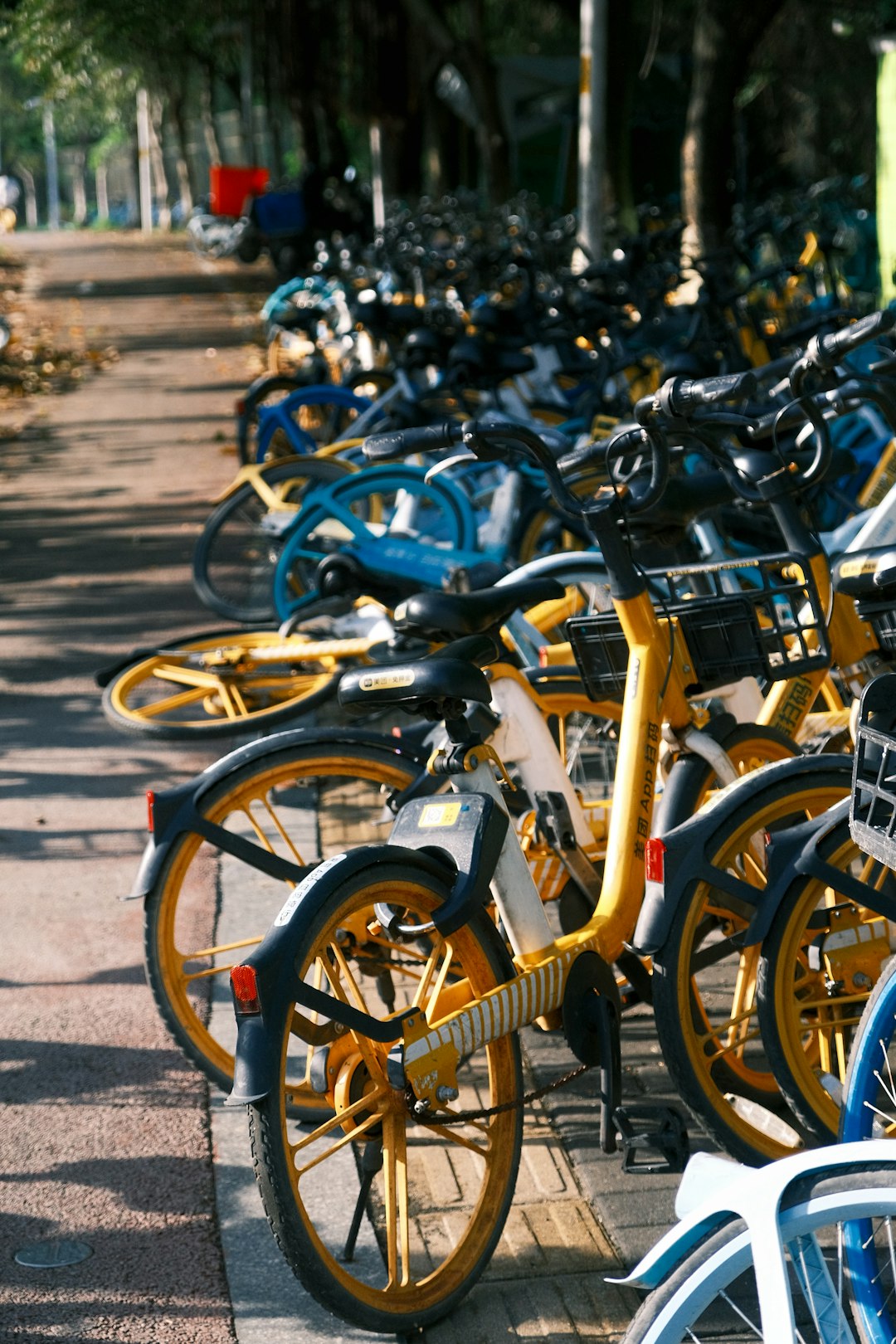
Many services operate on either a docked or dockless system. Docked systems require you to pick up and return bikes at fixed stations. Dockless systems allow you to leave the bike in designated areas within a service zone.
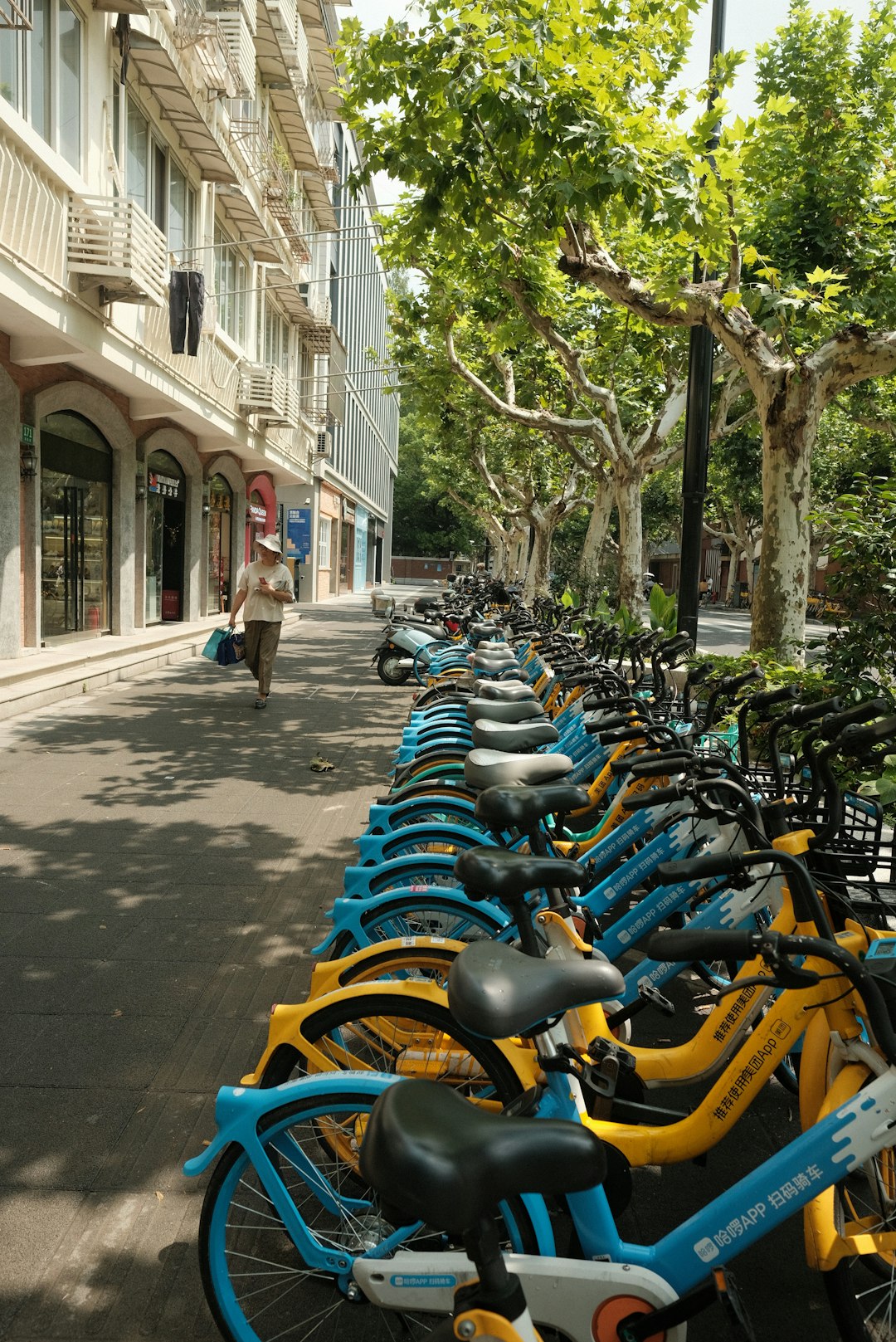
The seamless blending of GPS tracking, digital payments, and real-time fleet management ensures riders can depend on these services as a legitimate transportation alternative.
Why Bike Sharing Is Gaining Popularity
Bike sharing apps are not just trendy; they address real urban challenges. Here’s why they continue to grow:
- Cost-effective: Pay per ride or through affordable monthly passes.
- Environmentally friendly: Reduce carbon emissions and traffic congestion.
- Space-saving: No need to store or maintain your own bike.
- Health benefits: Integrate physical activity into your daily routine.
- First-mile/last-mile solution: Easily connect to public transport hubs.
For city governments, shared bikes help reduce car dependency and promote greener infrastructure. For users, they offer spontaneity—no upkeep, no repairs, no theft concerns.
Top Bike Sharing Apps Around the World
Different cities favor different services, but several major players dominate globally. Below are some of the most popular bike sharing apps and what makes them unique.
1. Citi Bike (USA)
Operating primarily in New York City and a few other U.S. cities, Citi Bike is one of the most recognizable station-based systems. With thousands of bikes and docking stations, it integrates well with subway networks.
- Robust station network
- Day passes and annual memberships
- E-bike options for easier riding
2. Lime
Known for its bright green bikes and scooters, Lime provides dockless options across multiple continents. It’s ideal for spontaneous urban trips.
- Dockless convenience
- Electric-assist bikes
- Flexible pricing models
3. Santander Cycles (UK)
Often called “Boris Bikes,” this London-based system is reliable, affordable, and popular with both locals and tourists.
- Extensive docking station network
- Simple 24-hour access passes
- Strong coverage in central London
4. Donkey Republic
Operating in many European cities, Donkey Republic emphasizes flexibility and cross-city usability.
- No fixed docking stations in many areas
- Unlock via app or Bluetooth
- Available in multiple countries
5. Nextbike
Nextbike partners with cities and universities worldwide, offering a hybrid docking model in some locations.
- Strong presence in Europe
- Affordable student pricing
- City-specific integrations
Comparison of Popular Bike Sharing Apps
| App | System Type | Regions | E-Bikes Available | Best For |
|---|---|---|---|---|
| Citi Bike | Docked | USA | Yes | Commuters in major cities |
| Lime | Dockless | Global | Yes | Flexible short trips |
| Santander Cycles | Docked | UK | Limited | Tourists and daily riders |
| Donkey Republic | Mostly Dockless | Europe | Varies | Multi-city travelers |
| Nextbike | Hybrid | Europe and beyond | Yes | Students and local residents |
Smart Navigation Features That Make a Difference
Modern bike sharing apps do much more than unlock bikes. They help you navigate unfamiliar streets with confidence.

Real-Time Availability Maps
Apps show exactly how many bikes are available nearby. This eliminates guesswork and prevents wasted time walking to empty stations.
Integrated GPS Navigation
Many apps offer built-in route suggestions, highlighting:
- Bike-friendly lanes
- Low-traffic streets
- Elevation changes
- Estimated ride time
Battery Level Indicators for E-Bikes
For electric bikes, apps show battery percentages, helping you choose a ride that will comfortably get you to your destination.
Parking Guidance
Dockless systems often use geo-fencing technology to indicate where you can safely park. This helps avoid fines and supports organized city use.
Benefits for Travelers
If you are visiting a new city, bike sharing apps can dramatically enhance your experience.
- Freedom to explore: Stop whenever you want for photos or coffee.
- Closer connection to neighborhoods: Discover hidden gems off public transit routes.
- Cost savings: Avoid taxi fares or car rentals.
- No long-term commitment: Pay only when you ride.
Tourists often find that cycling provides a more immersive perspective than buses or metro systems. Instead of traveling underground or behind glass windows, you engage directly with the city’s rhythm.

Safety and Responsibility
While bike sharing is convenient, safety remains essential. Good apps promote responsible behavior through:
- In-app safety tutorials
- Helmet recommendations
- Local traffic law reminders
- Customer support for reporting issues
As a rider, you should:
- Follow local cycling laws.
- Use bike lanes where available.
- Check brakes and tires before riding.
- Park responsibly to avoid obstructing sidewalks.
Responsible use ensures that cities continue supporting and expanding bike sharing programs.
The Rise of Electric Bike Sharing
Electric assist bikes are increasingly common within sharing fleets. These e-bikes flatten hills and reduce effort, making cycling accessible to a broader population.
Benefits of e-bike sharing include:
- Longer travel distances
- Sweat-free commuting
- Accessibility for older riders
- Improved adoption in hilly cities
This shift is significant. It positions bike sharing not merely as recreational but as a serious commuting option.
Challenges and Considerations
Despite their benefits, bike sharing apps face some limitations:
- Availability fluctuations: High demand during rush hour.
- Parking regulations: Strict docking rules in some cities.
- Weather dependency: Rain and snow reduce ridership.
- Service zones: Limited to designated urban areas.
However, ongoing technological improvements and city partnerships continue to address these issues, improving reliability over time.
The Future of Bike Sharing Apps
The future looks promising. Innovations on the horizon include:
- Deeper integration with public transport apps
- AI-driven demand forecasting
- Dynamic pricing models
- Smarter parking verification using photo uploads
Some cities are already incorporating shared bikes into unified mobility platforms, allowing users to plan journeys that combine buses, trains, scooters, and bikes seamlessly.
As infrastructure improves—with more bike lanes and protected paths—bike sharing apps are likely to become even more central to urban transportation strategies.
Conclusion
Bike sharing apps have fundamentally changed how people move through cities. By removing the need for ownership, they eliminate maintenance headaches, storage issues, and upfront costs. At the same time, they empower riders with real-time navigation, flexible routes, and environmentally conscious travel options.
Whether you are commuting to work, running errands, or sightseeing in a new city, these platforms offer freedom and flexibility at your fingertips. In a world increasingly shaped by smart mobility solutions, bike sharing apps stand out as one of the simplest and most effective ways to navigate urban life—no bike ownership required.