





















Search engine optimization increasingly relies on automation, data modeling, and real-time analysis. At the heart of all advanced SEO systems lies one foundational element: accurate, scalable, and actionable SERP data. Whether teams are tracking thousands of keywords daily or building AI-driven ranking models, choosing the right source of search engine results page data determines how successful automation efforts will be.
TLDR: Reliable SERP data fuels every successful SEO automation strategy. The best sources include official search engine APIs, third-party SERP providers, web scraping tools, SEO platforms, and clickstream data suppliers. Each source has strengths in accuracy, scalability, and compliance, making them suitable for different automation needs. Combining multiple data sources often delivers the most robust results.
Why SERP Data Matters for SEO Automation
Search engine results pages (SERPs) are dynamic environments. Rankings shift daily, featured snippets appear and disappear, and new SERP features such as local packs, videos, and AI overviews constantly change the landscape. Automation depends on structured data extracted from these pages to:
- Track keyword rankings at scale
- Monitor competitors automatically
- Detect SERP feature opportunities
- Trigger alerts for ranking volatility
- Feed machine learning optimization models
However, not all SERP data sources are created equal. Some prioritize compliance and precision, while others focus on scalability or cost efficiency. Choosing the right source depends on the project’s technical and strategic requirements.
1. Official Search Engine APIs
Official APIs provided directly by search engines offer one of the most reliable methods for accessing structured search data.
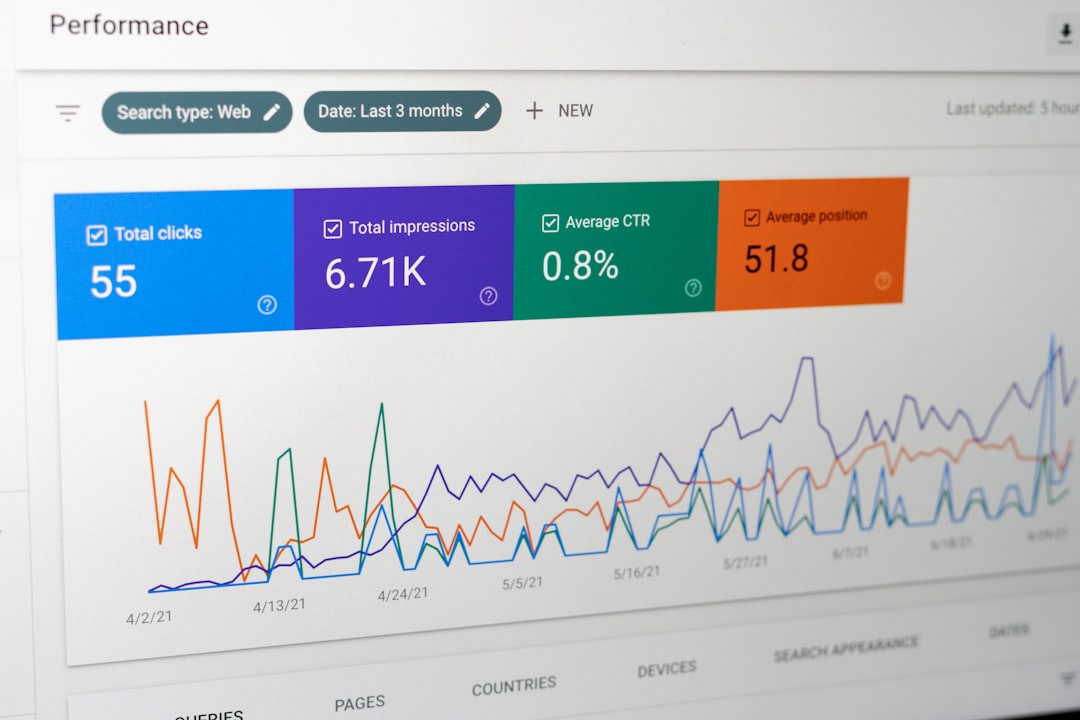
For example, search console APIs provide data on impressions, clicks, average position, and query performance. While they may not replicate live SERP results pixel-for-pixel, they deliver validated performance metrics directly from the source.
Advantages:
- Highly accurate first-party data
- Compliant with search engine terms
- Secure and stable access
Limitations:
- Limited view of competitor rankings
- No full HTML SERP rendering
- Restricted real-time scraping flexibility
For automation focused on performance reporting and owned-domain metrics, official APIs provide dependable baseline data.
2. Third-Party SERP API Providers
Third-party SERP APIs are among the most popular solutions for SEO automation teams. These providers manage infrastructure, proxies, and rendering engines to deliver structured SERP output via API endpoints.
They typically support:
- Organic rankings
- Paid ads data
- Featured snippets
- Local packs
- Images and videos
- Shopping results
Advantages:
- Scalable requests for thousands or millions of queries
- Geo-targeted and device-specific results
- Structured JSON or CSV output
- Minimal maintenance burden
Limitations:
- Ongoing subscription costs
- Potential rate limits
- Varying data freshness depending on provider
For agencies and enterprise teams building automated dashboards or rank-tracking systems, third-party SERP APIs often represent the most efficient balance between scale and compliance.
3. Custom Web Scraping Infrastructure
Some advanced SEO teams choose to build their own scraping systems. This approach involves deploying crawlers, rotating proxies, CAPTCHA solvers, and rendering engines to extract raw HTML data directly from search engines.
This method offers maximum flexibility but requires significant technical expertise.
Advantages:
- Full control over data extraction
- Customizable parsing rules
- Ability to capture unique SERP elements
Challenges:
- High development and maintenance costs
- Ongoing proxy management
- Legal and compliance considerations
- Greater instability due to layout changes
Custom scraping is typically justified by large-scale operations that require highly specialized data beyond what commercial APIs provide.
4. SEO Software Platforms
Established SEO platforms aggregate massive volumes of SERP data and provide it through dashboards and APIs. These tools combine ranking data, keyword metrics, and competitor tracking into unified systems.
Many platforms allow automated exports and API integrations, making them suitable for semi-automated workflows.
Advantages:
- User-friendly dashboards
- Historical ranking archives
- Additional metrics like keyword difficulty and backlinks
- Integrated reporting features
Drawbacks:
- Limited raw SERP customization
- Costs scale with keyword volume
- May restrict granular automation flexibility
SEO platforms work well for teams that prefer turnkey solutions without the complexity of maintaining infrastructure.
5. Clickstream Data Providers
Clickstream providers collect anonymized browsing behavior from panels or browser extensions. While they do not directly provide full SERP layouts, they supply valuable behavioral signals including:
- Estimated traffic by keyword
- Click-through behavior
- User journey data
- Competitive traffic comparisons
When integrated into automation workflows, clickstream data enhances rank-tracking models by adding traffic estimates and engagement forecasts.
Strengths:
- Scalable traffic modeling
- Insights beyond rankings
- Trend detection capabilities
Weaknesses:
- Panel bias or sampling errors
- Indirect SERP representation
- Cost-intensive data licenses
For AI-driven SEO systems predicting ROI instead of simply tracking positions, clickstream integration adds strategic depth.
6. Data Aggregators and Market Intelligence Platforms
Some enterprise data companies aggregate SERP datasets across industries and regions. These providers often compile billions of search results into structured databases accessible via API or data feeds.
Benefits include:
- Massive historical archives
- Cross-market analysis
- Pre-cleaned structured datasets
- Enterprise-grade reliability
Such solutions are ideal for corporations conducting international SEO automation across hundreds of markets.
Key Factors to Consider When Choosing a SERP Data Source
Before selecting a SERP data provider, automation teams should evaluate several core criteria:
- Data Accuracy: Does the source reflect real-world search results in specific locations?
- Update Frequency: How often is ranking data refreshed?
- Scalability: Can the system handle millions of queries?
- Compliance: Does the method align with legal and search engine guidelines?
- Cost Structure: Is pricing consistent with projected automation scale?
- Integration Flexibility: Are APIs compatible with existing data pipelines?
No single provider perfectly satisfies all needs. In practice, high-performing automation systems often blend multiple sources — for example, combining official APIs for performance data, third-party APIs for live rankings, and clickstream data for traffic modeling.
Building a Hybrid SERP Data Strategy
SEO automation is rarely dependent on a single input stream. The most effective teams design hybrid data architectures that:
- Validate ranking changes across multiple feeds
- Detect anomalies automatically
- Reduce dependency risks
- Improve forecasting accuracy
For instance, a workflow might pull daily rank snapshots from a SERP API, cross-check traffic estimates via clickstream, and verify domain performance using official console data. Machine learning models can then synthesize these inputs into predictive insights.
The future of SEO automation lies not just in collecting data, but in intelligently combining it.
Conclusion
SERP data is the engine behind every automated SEO system, from simple rank trackers to enterprise-level AI optimization platforms. The best sources include official APIs, third-party SERP providers, custom scraping infrastructures, SEO platforms, clickstream suppliers, and enterprise aggregators. Each offers unique benefits in accuracy, scalability, and modeling potential.
Organizations that treat SERP data as strategic infrastructure — rather than a basic operational input — gain a measurable competitive advantage. As automation deepens and AI systems become more prevalent, reliable and scalable SERP data sources will continue to define the future of search optimization.
Frequently Asked Questions (FAQ)
- What is SERP data?
SERP data refers to the information extracted from search engine results pages, including organic rankings, paid ads, featured snippets, local packs, and other search features. - Is scraping search engines legal?
Legality varies depending on jurisdiction and implementation. Many organizations prefer compliant API-based providers to minimize legal and technical risk. - Which SERP data source is best for automation?
Third-party SERP APIs are often the most practical for scalable automation, though combining multiple data sources generally produces better results. - How often should SERP data be refreshed?
For competitive industries, daily updates are common. Less volatile markets may require weekly tracking. - Can clickstream data replace rank tracking?
No. Clickstream data provides behavioral insights and traffic estimates but does not replace direct ranking information. - Why use multiple SERP data sources?
Using multiple sources improves accuracy, reduces dependency on a single provider, and enhances forecasting capabilities.