





















Instagram has evolved into one of the most competitive digital platforms for brands, creators, and entrepreneurs. With millions of posts published daily, standing out requires more than creative content—it demands strategy, consistency, and the right technological support. Businesses that consistently grow their reach and engagement rarely do so by chance; they rely on specialized tools that enhance visibility, refine targeting, and optimize performance.
TLDR: Growing Instagram reach and engagement requires more than frequent posting. Strategic use of analytics, scheduling, design, hashtag research, and community management tools can significantly amplify results. Automation and AI-driven insights help optimize timing, content format, and audience targeting. When used thoughtfully and ethically, these tools turn Instagram into a measurable and scalable marketing channel.
Why Tools Matter for Instagram Growth
Organic reach on Instagram fluctuates due to algorithm changes, increased competition, and evolving user behavior. While high-quality visuals remain essential, data-driven strategy now plays an equally important role. Tools designed for Instagram help users:
- Analyze audience behavior
- Identify optimal posting times
- Automate consistent publishing
- Track engagement metrics
- Optimize hashtag strategies
- Improve content creation efficiency
Without these capabilities, it becomes difficult to scale efforts or measure what truly drives performance.
1. Analytics and Performance Tracking Tools
Understanding performance metrics is the foundation of growth. Native insights within Instagram provide basic data, but advanced analytics platforms offer deeper breakdowns, including follower demographics, competitor comparisons, content lifespan, and engagement trends.
Key features to look for include:
- Engagement rate tracking (likes, comments, saves, shares)
- Reach vs impressions analysis
- Audience growth trends
- Story and Reel performance reporting
- Hashtag effectiveness data
Reliable analytics tools help pinpoint which posts drive the most meaningful interactions, rather than assuming that high view counts equal success. For example, a post with fewer impressions but more saves may indicate higher content value.
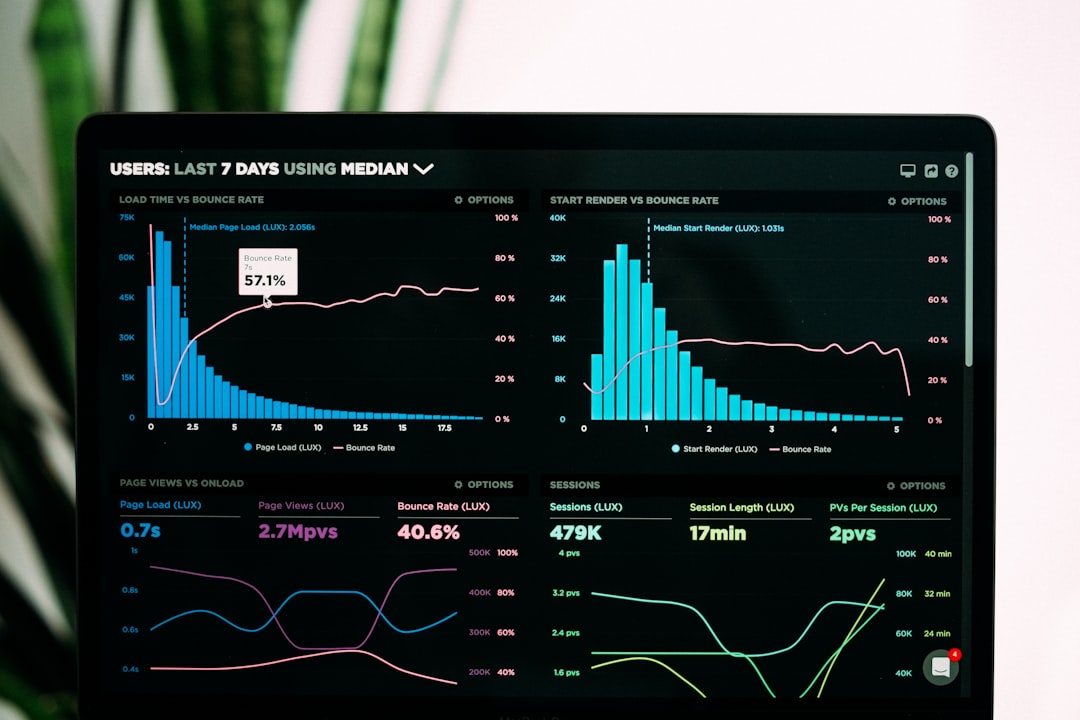
Pro Tip: Track performance weekly and monthly. Short-term spikes can be misleading, but long-term trends reveal sustainable growth patterns.
2. Scheduling and Automation Platforms
Consistency is critical on Instagram. However, manually posting every day at peak times is inefficient and often unrealistic. Scheduling tools allow creators and businesses to plan content in advance, maintain visual consistency, and publish automatically.
Benefits include:
- Time efficiency through content batching
- Optimized timing based on audience activity data
- Cross-platform publishing
- Content calendar planning
Automation should be used responsibly. While scheduling posts is beneficial, automating interactions such as comments or direct messages can appear inauthentic and may violate platform guidelines. Focus automation on publishing logistics rather than engagement manipulation.
Establishing a structured posting schedule—ideally 3–5 times per week, depending on your niche—demonstrates reliability to both the algorithm and followers.
3. Content Creation and Design Tools
Instagram is a visual-first platform. Poorly designed content reduces credibility and decreases engagement potential. Professional design software and mobile editing applications enable creators to produce polished images, videos, and carousel posts without requiring advanced graphic design skills.
Effective design tools help with:
- Template-based post layouts
- Brand color consistency
- Typography control
- Short-form video editing
- Subtitle generation for Reels
Video editing tools are especially important as Reels continue to receive prioritized exposure in the Instagram algorithm. Clear captions, smooth transitions, and balanced audio significantly increase watch time, which signals value to the platform.
Image not found in postmetaConsistency Tip: Maintain visual uniformity across posts—consistent filters, fonts, and layout elements strengthen brand recognition.
4. Hashtag and Keyword Research Tools
Hashtags remain a relevant discovery tool when used strategically. Rather than posting the same popular hashtags repeatedly, sophisticated research tools help identify:
- Low-competition niche tags
- Trending keywords
- Search volume data
- Competitor hashtag sets
A balanced hashtag strategy typically includes:
- Broad high-volume hashtags
- Medium competition tags
- Highly specific niche hashtags
This layered approach increases the probability of exposure across multiple discovery pathways. Additionally, keyword optimization within captions enhances search visibility as Instagram continues integrating search-based discovery features.
5. AI-Powered Caption and Content Optimization Tools
Content ideation can become repetitive over time. AI-based writing tools assist in brainstorming caption ideas, generating hooks, and refining tone to align with target audiences. They also analyze previous post performance to suggest improvements in structure, call-to-action phrases, or keyword placement.
These tools are most effective when used as support rather than replacement. Authentic voice remains essential; audiences respond to genuine human messaging more than generic phrasing.
Optimization features may include:
- Engagement-driven call-to-action suggestions
- Sentiment analysis
- Caption length recommendations
- Content repurposing strategies
Enhanced captions can significantly impact comment volume and shares, both of which positively influence algorithmic ranking.
6. Community Management Tools
Engagement is not only about publishing; it is about responding. Community management tools centralize direct messages, comments, and brand mentions into a single inbox. This prevents missed interactions and improves response time.
Advantages include:
- Faster customer support
- Improved response consistency
- Automated FAQ replies
- Sentiment tracking
Quick responses encourage deeper conversations and demonstrate reliability. Instagram’s algorithm often favors accounts that actively participate in discussions.
7. Influencer and Collaboration Discovery Tools
Strategic collaborations can dramatically expand reach. Specialized discovery platforms analyze influencer audience demographics, engagement authenticity, and growth history. This reduces the risk of partnering with accounts that rely on artificial engagement.
Reliable vetting tools evaluate:
- Follower quality
- Engagement authenticity
- Audience location
- Historical growth patterns
Careful collaboration selection often yields higher conversion rates than high-frequency advertising alone.
8. Competitor Monitoring Platforms
Understanding competitors provides valuable strategic insights. Monitoring tools reveal what types of content generate strong engagement within your niche.
Key metrics to observe:
- Top-performing content formats
- Posting frequency
- Hashtag usage
- Audience sentiment
This intelligence allows informed experimentation rather than guesswork. Ethical market observation ensures competitiveness without copying content directly.
Best Practices for Using Instagram Growth Tools
While tools are valuable, improper usage can diminish credibility. Follow these best practices:
- Avoid artificial engagement automation
- Prioritize data-driven decisions
- Continuously test new formats
- Balance automation with authenticity
- Review insights regularly
Growth tools should enhance strategy, not replace thoughtful content creation. Successful Instagram accounts combine creativity, analytics, and consistent optimization.
Long-Term Impact of Strategic Tool Usage
When properly integrated, Instagram tools create a measurable growth system rather than isolated efforts. Over time, brands can:
- Increase organic reach
- Improve engagement rate stability
- Strengthen audience loyalty
- Scale monetization opportunities
Data informs creative direction, scheduling ensures consistency, and optimized captions enhance interaction. Together, these elements produce sustainable expansion rather than temporary spikes in visibility.
Conclusion
Instagram success in 2026 requires both creativity and technical precision. The platform’s algorithm rewards relevance, consistency, and authentic engagement—qualities that advanced tools help measure and refine. From analytics and scheduling platforms to AI-powered caption optimization and community management systems, each tool serves a strategic function.
Businesses and creators who treat Instagram as a data-driven channel rather than a casual posting space gain a significant competitive advantage. By combining human creativity with structured optimization, sustainable reach and engagement become achievable outcomes rather than unpredictable results.
Ultimately, tools are accelerators—not replacements—for strategy. When implemented responsibly and consistently, they transform Instagram into a powerful, scalable growth asset.