













The internet is amazing. It lets you learn, share, shop, stream, and connect with people around the world. But it also watches you. Websites track you. Advertisers profile you. Hackers look for weak spots. If you care about privacy, staying anonymous online matters. One of the easiest ways to protect yourself is by using a VPN.
TL;DR: A VPN hides your real IP address and encrypts your internet traffic. This makes it harder for websites, advertisers, and hackers to track you. It’s simple to use and works on most devices. Choose a trusted provider, turn it on, and pair it with smart browsing habits for better online anonymity.
What Does “Anonymous Online” Really Mean?
Let’s be clear. Total invisibility online is almost impossible. If you log into social media with your real name, people know it’s you. If you post your address, it’s public.
But anonymity does not mean hiding in a cave. It means limiting the data companies and strangers can collect about you. It means:
- Hiding your IP address
- Encrypting your internet traffic
- Reducing tracking and profiling
- Protecting yourself on public Wi-Fi
This is where a VPN shines.
What Is a VPN?
VPN stands for Virtual Private Network. Sounds technical. But the idea is simple.
Normally, when you visit a website:
- Your device connects to your internet provider
- Your provider connects you to the website
- The website sees your IP address
Your IP address reveals your general location and internet provider. It’s like your online house number.
When you use a VPN:
- Your device connects to a VPN server first
- The VPN server connects to the website for you
- The website sees the VPN’s IP address, not yours
On top of that, your data is encrypted. That means it’s scrambled and unreadable to outsiders.
Why You Should Use a VPN
Let’s make it practical. Here’s what a VPN helps you do.
1. Hide Your IP Address
Your real IP is masked. Websites can’t easily tie your activity to your actual location.
2. Secure Public Wi-Fi
Coffee shops. Airports. Hotels. Free Wi-Fi is convenient. It’s also risky. Hackers can intercept unencrypted data.
A VPN encrypts your traffic. Even if someone grabs the data, it looks like gibberish.
3. Avoid ISP Snooping
Your Internet Service Provider can see what websites you visit. In some places, they can log and sell this data. A VPN blocks them from seeing the details of your activity.
4. Reduce Tracking
A VPN does not stop all tracking. But it makes it harder to build a profile based on your IP address.
How to Choose the Right VPN
Not all VPNs are equal. Some are fast and secure. Others are slow or shady.
Here’s what to look for:
- No-logs policy – They should not store records of your activity.
- Strong encryption – Look for AES-256 encryption.
- Kill switch – Cuts internet if the VPN disconnects unexpectedly.
- DNS leak protection – Prevents accidental exposure of your browsing requests.
- Good reputation – Read reviews. Check audits.
Free VPNs can be tempting. But remember: if you are not paying for the product, you might be the product. Some free services sell user data. Be careful.
How to Set Up a VPN (It’s Easy)
You do not need to be a tech wizard.
Basic steps:
- Choose a trustworthy VPN provider.
- Sign up and download the app.
- Install it on your device.
- Open the app and log in.
- Select a server location.
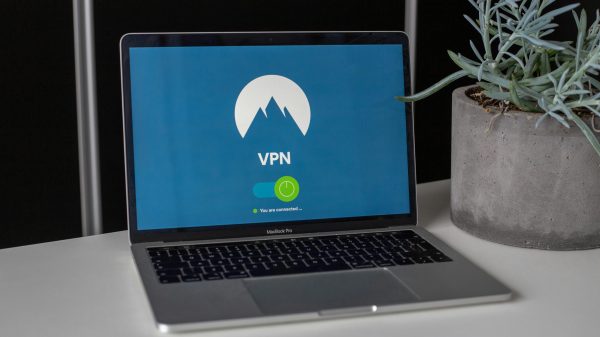
- Click “Connect.”
That’s it. You’re now browsing through an encrypted tunnel.
Image not found in postmetaTips to Stay More Anonymous (Beyond a VPN)
A VPN is powerful. But it’s not magic. If you really want stronger anonymity, combine it with smart habits.
1. Use Private Search Engines
Some search engines track every query. Privacy-focused search engines do not store your searches.
2. Use a Secure Browser
Browsers like Firefox with privacy extensions can block trackers and fingerprinting scripts.
3. Install Tracker Blockers
Ad blockers and anti-tracking extensions reduce hidden scripts that follow you across websites.
4. Turn Off Location Services
Many apps and websites ask for your location. Only allow it when absolutely necessary.
5. Avoid Logging Into Everything
If you log into your main social media account, your identity is no longer anonymous on that site. Use separate accounts for different activities if needed.
6. Use Strong, Unique Passwords
Security and anonymity go hand in hand. If your accounts are hacked, your identity can be exposed. Use a password manager. Enable two-factor authentication.
Common VPN Myths
Let’s bust a few myths.
“A VPN Makes Me 100% Anonymous.”
No tool can promise that. If you post personal data, it’s public. A VPN protects your connection, not your choices.
“VPNs Are Only for Hackers.”
Not true. Journalists use them. Businesses use them. Regular people use them to protect privacy. It’s a normal security tool.
“VPNs Slow Down the Internet Too Much.”
Some speed loss can happen. Your data takes an extra step through the VPN server. But good providers are fast enough for streaming and gaming.
When Should You Always Use a VPN?
Short answer: almost always.
But especially in these cases:
- When using public Wi-Fi
- When traveling abroad
- When handling sensitive work documents
- When accessing financial accounts
- When you simply value your privacy
You can set many VPN apps to connect automatically. This way, you never forget.
Understanding VPN Server Locations
Most VPNs let you choose server locations in different countries.
This does two things:
- Changes your visible IP location
- May affect your speed and access to content
Want better speed? Choose a server close to you.
Want to appear in another country? Choose a server there.
But remember. Your behavior still matters. If you log into your personal accounts, geography does not make you anonymous.
Image not found in postmetaWhat a VPN Cannot Do
It’s important to stay realistic.
A VPN does not:
- Protect you from malware by itself
- Stop you from downloading viruses
- Make illegal activities safe or untraceable
- Prevent all forms of tracking
You still need antivirus software. You still need common sense. You still need caution when clicking links.
Building a Privacy-First Mindset
Think of privacy like brushing your teeth. You don’t do it once and forget about it. You build a routine.
Ask yourself:
- Does this app really need my phone number?
- Why does this website want my location?
- Do I need to share this personal detail?
Small decisions add up.
The goal is not paranoia. The goal is control. Your data belongs to you.
Final Thoughts
The internet does not have to feel like a glass house. You can close the curtains. You can lock the door. A VPN is one of the simplest ways to do that.
It hides your IP address. It encrypts your data. It protects you on public networks. And it gives you peace of mind.
Pair it with smart browsing habits. Use privacy-friendly tools. Think before you share. Stay curious. Stay cautious.
Online anonymity is not about disappearing. It’s about choosing what the world gets to see. And that choice should always be yours.