




















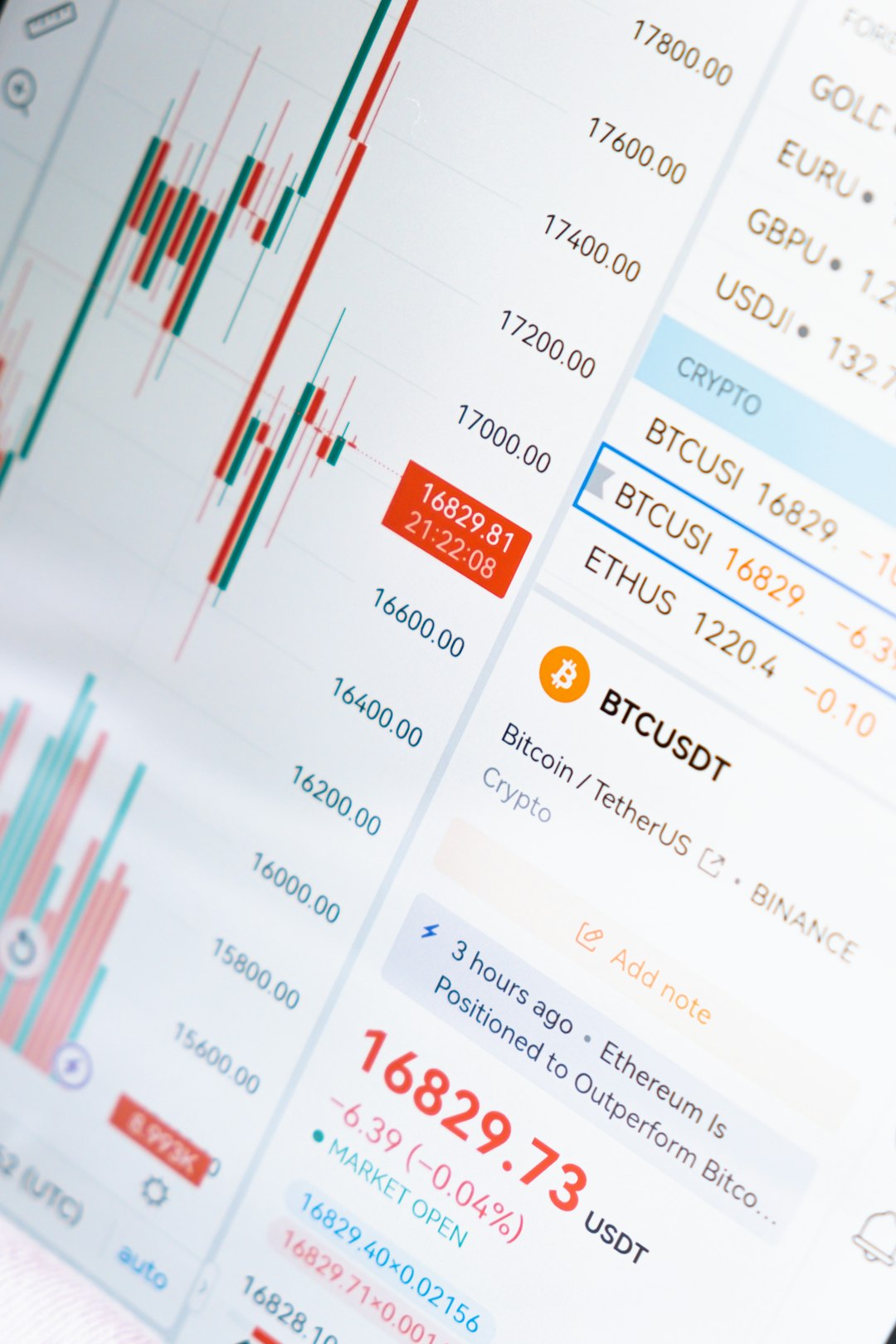
As cryptocurrency adoption continues to expand in 2026, investors are managing more diverse digital asset portfolios than ever before. From Bitcoin and Ethereum to NFTs, DeFi tokens, staking rewards, and tokenized real-world assets, tracking everything manually has become nearly impossible. Modern crypto investors need reliable, secure, and intelligent portfolio tools that provide real-time insights, tax reporting, and advanced analytics. The right tracking platform can mean the difference between reactive decision-making and strategic portfolio growth.
TLDR: Crypto portfolio trackers in 2026 offer real-time monitoring, multi-chain support, tax reporting, and advanced analytics. Leading tools provide automated syncing with wallets and exchanges, DeFi tracking, and AI-powered insights. Investors should prioritize security, integration options, and reporting features. Below are seven of the most effective cryptocurrency portfolio tools available today.
Why Crypto Portfolio Tracking Matters in 2026
The crypto landscape has evolved far beyond simple buy-and-hold strategies. Investors now participate in:
- Decentralized finance (DeFi) lending and borrowing
- Staking and yield farming
- NFT investments
- Cross-chain trading
- Tokenized real-world assets
With assets spread across multiple blockchains, centralized exchanges, hardware wallets, and decentralized apps, having a unified dashboard is essential.
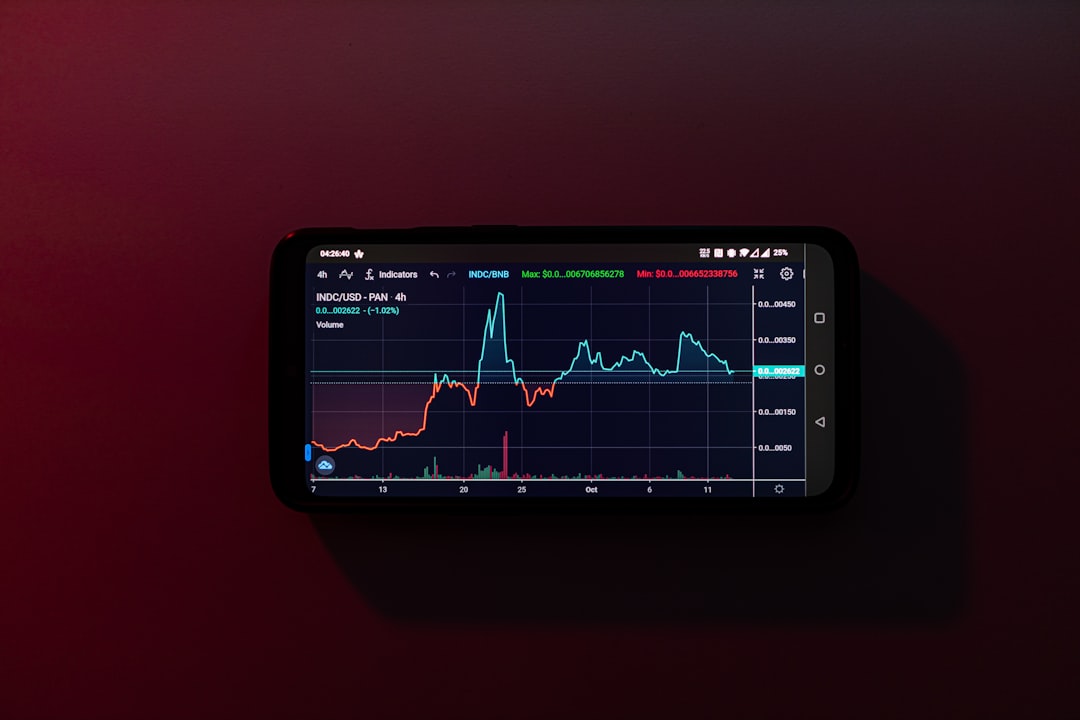
Modern portfolio trackers offer:
- Real-time price tracking
- Automatic wallet synchronization
- Profit and loss calculations
- Tax reporting tools
- Risk analysis metrics
The following seven tools stand out in 2026 for usability, features, and innovation.
1. CoinStats
Best for: All-in-one tracking across exchanges and wallets
CoinStats continues to be one of the most widely used cryptocurrency portfolio trackers. It supports integration with hundreds of exchanges and wallets, allowing investors to sync their holdings automatically.
Key Features:
- Multi-exchange and wallet integration
- DeFi and NFT tracking
- Advanced performance analytics
- Custom alerts for price movements
- Tax-ready reports
In 2026, CoinStats integrates AI-driven insights that help users analyze allocation diversity and identify underperforming assets. Its mobile app remains especially popular among active traders.
2. Delta Investment Tracker
Best for: Clean interface and beginner-friendly experience
Delta offers a streamlined way to monitor crypto alongside stocks and other investments. For investors seeking a broader financial overview, Delta brings multiple asset classes into one platform.
Key Features:
- Manual and automated portfolio tracking
- Multi-asset support including equities
- Performance benchmarking
- Detailed transaction history
Its intuitive interface makes it particularly appealing for newer crypto investors who want clarity without sacrificing functionality.
3. CoinTracking
Best for: Advanced analytics and tax reporting
CoinTracking has built a strong reputation for detailed transaction analysis and regulatory compliance support. In 2026, tax rules for digital assets are more complex across jurisdictions, and CoinTracking helps investors navigate those changes.
Key Features:
- Automated exchange imports
- Comprehensive capital gains calculation
- Historical trade analysis
- Portfolio performance simulation
This tool is favored by high-volume traders and professional investors who require in-depth reporting capabilities.
4. Kubera
Best for: High-net-worth and diversified investors
Kubera goes beyond crypto to provide a complete net worth tracking platform. It supports digital assets alongside traditional investments, real estate, and even domain names.
Key Features:
- Comprehensive net worth dashboard
- Secure document storage
- Beneficiary management tools
- Cross-platform support
For investors who treat crypto as part of a broader wealth strategy, Kubera delivers a highly organized oversight system.
5. Zerion
Best for: DeFi investors and Web3 users
Zerion specializes in decentralized finance and on-chain portfolio tracking. Instead of relying heavily on centralized exchange imports, it connects directly to blockchain wallets.
Key Features:
- Real-time wallet syncing
- DeFi protocol tracking
- NFT support
- Cross-chain compatibility
With DeFi still playing a major role in crypto portfolios, Zerion remains one of the most powerful tools for tracking staking positions, liquidity pools, and governance tokens.
6. Debank
Best for: On-chain analytics and transparency
Debank offers highly detailed on-chain investment tracking. It provides transparency into wallet activity and protocol interactions, making it valuable for those deep in the DeFi ecosystem.
Key Features:
- Comprehensive DeFi asset visibility
- Risk exposure analysis
- Protocol breakdown tracking
- Wallet profiling tools
Active DeFi users benefit from Debank’s ability to quickly assess total value locked across various platforms and monitor smart contract exposure risks.
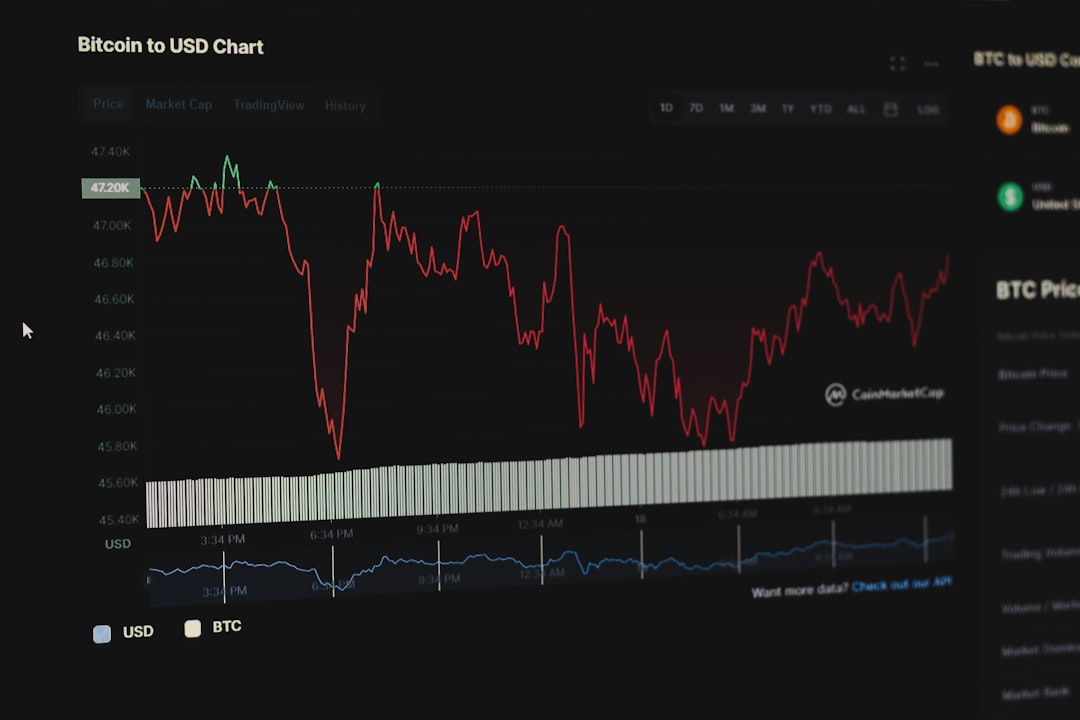
7. CoinMarketCap Portfolio Tracker
Best for: Quick and simple manual tracking
CoinMarketCap’s built-in portfolio feature remains a popular option for casual investors. While it lacks deep wallet integrations, it offers a fast and easy way to monitor holdings.
Key Features:
- Manual trade entry
- Simple profit and loss tracking
- Access to extensive market data
- Watchlist customization
Because CoinMarketCap already serves as a primary research platform for many investors, integrating portfolio tracking into the same interface adds convenience.
How to Choose the Right Crypto Portfolio Tool
Selecting the best tracker depends on individual investment behavior and goals. Important considerations include:
1. Security
Look for tools that use encrypted API connections, two-factor authentication, and do not require withdrawal permissions.
2. Integration Capabilities
The more wallets, blockchains, and exchanges supported, the easier it becomes to automate portfolio management.
3. Tax Reporting Features
With evolving regulations, accurate capital gains calculations are essential. Some tools offer downloadable tax reports tailored to different countries.
4. Real-Time Analytics
Advanced investors benefit from tools that provide allocation breakdowns, volatility metrics, and historical comparisons.
5. DeFi and NFT Support
Modern crypto portfolios often include digital collectibles and staking positions. Ensure your tracker accounts for these assets.
The Future of Crypto Portfolio Management
In 2026, artificial intelligence plays a growing role in digital asset management. Some portfolio tools now offer:
- AI-generated allocation recommendations
- Automated risk scoring
- Predictive volatility indicators
- Smart rebalancing suggestions
As blockchain ecosystems continue to expand, cross-chain compatibility has also become standard. Investors increasingly demand universal dashboards capable of tracking activity across Layer 1 and Layer 2 networks seamlessly.
Ultimately, crypto portfolio management has evolved from simple price checking to comprehensive wealth analysis. The most successful investors leverage these tools to stay informed, minimize risk, and optimize long-term growth.
FAQ
-
1. Are crypto portfolio trackers safe to use?
Most reputable trackers use encrypted API keys with read-only access, meaning they cannot withdraw funds. Users should enable two-factor authentication and avoid sharing private keys. -
2. Do crypto portfolio tools support hardware wallets?
Many modern platforms support hardware wallet integration either directly or through public wallet address syncing. -
3. Can these tools track DeFi and staking rewards?
Yes. Advanced trackers like Zerion and Debank specialize in monitoring DeFi positions, staking rewards, and liquidity pools. -
4. Are portfolio trackers free?
Most offer free versions with limited features. Premium plans typically include tax reporting, advanced analytics, and unlimited exchange integrations. -
5. Do I need a portfolio tracker if I use only one exchange?
While not mandatory, a tracker can provide enhanced analytics, performance insights, and tax reporting beyond what most exchanges offer. -
6. Can I track NFTs with these tools?
Yes. Several 2026 portfolio trackers include NFT valuation tracking across supported blockchains. -
7. Which tool is best for beginners?
Delta and CoinMarketCap Portfolio Tracker are generally considered the most beginner-friendly due to their simple interfaces.
By leveraging the right cryptocurrency portfolio tracking tool, investors in 2026 can gain clarity, reduce administrative burden, and make more informed financial decisions in the rapidly evolving digital asset market.