



















High-converting landing pages are the backbone of successful digital marketing campaigns. Whether businesses run paid ads, promote webinars, launch products, or collect lead information, dedicated campaign pages often determine whether traffic turns into revenue. Tools like Instapage have become popular because they simplify the process of building optimized, fast-loading, and conversion-focused landing pages without heavy development work. However, Instapage is far from the only solution available, and many alternatives cater to different budgets, features, and technical needs.
TLDR: Tools like Instapage help marketers create high-converting campaign landing pages without coding. Platforms such as Unbounce, Leadpages, ClickFunnels, Webflow, and HubSpot offer varying levels of customization, automation, and pricing. The right tool depends on campaign goals, team size, integration needs, and budget. Comparing features and scalability is essential before making a choice.
Why Landing Page Builders Matter for Campaigns
Modern marketing campaigns often rely on precision. Instead of sending paid traffic to a homepage, marketers use dedicated landing pages tailored to a specific message, audience, and offer. This approach improves message match, reduces distractions, and increases conversion rates.
Landing page builders like Instapage eliminate the need for coding skills, allowing marketing teams to:
- Create pages quickly using drag-and-drop editors
- Run A/B tests without technical setup
- Integrate with CRM, email marketing, and ad platforms
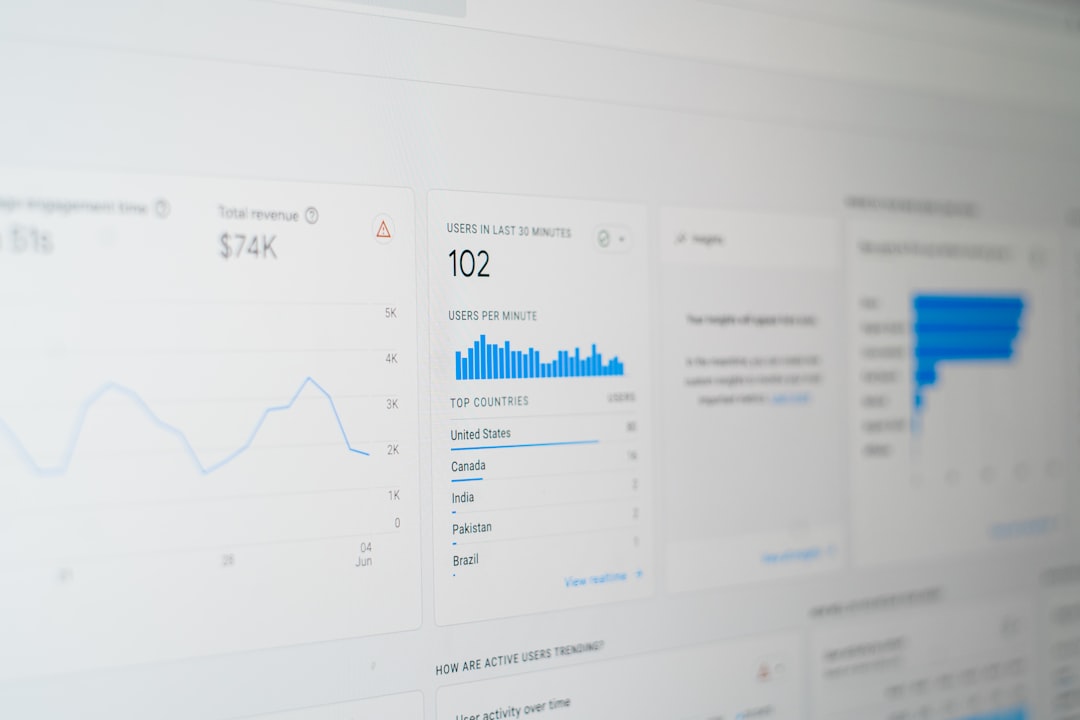
- Analyze performance metrics in real time
- Collaborate across teams with comment and approval systems
For businesses running paid campaigns on Google, Meta, LinkedIn, or TikTok, these tools are essential for scaling efficiently.
Key Features to Look for in Tools Like Instapage
Not all landing page builders are equal. When evaluating alternatives, marketers should focus on features that directly impact campaign results.
1. Drag-and-Drop Flexibility
The editor should allow complete design freedom, rather than locking users into rigid templates.
2. A/B and Multivariate Testing
Campaign success improves when marketers test headlines, images, and calls to action.
3. Personalization and Dynamic Content
Advanced tools allow pages to adapt based on ad source, keywords, or audience segments.
4. Integration Capabilities
Seamless connections with CRM systems, email platforms, ad networks, and analytics tools are crucial.
5. Page Speed Optimization
Fast loading times improve both Quality Score and user experience.
6. Collaboration Tools
For agencies and larger teams, on-page commenting and approval systems streamline workflows.
Top Tools Like Instapage for Campaign Landing Pages
1. Unbounce
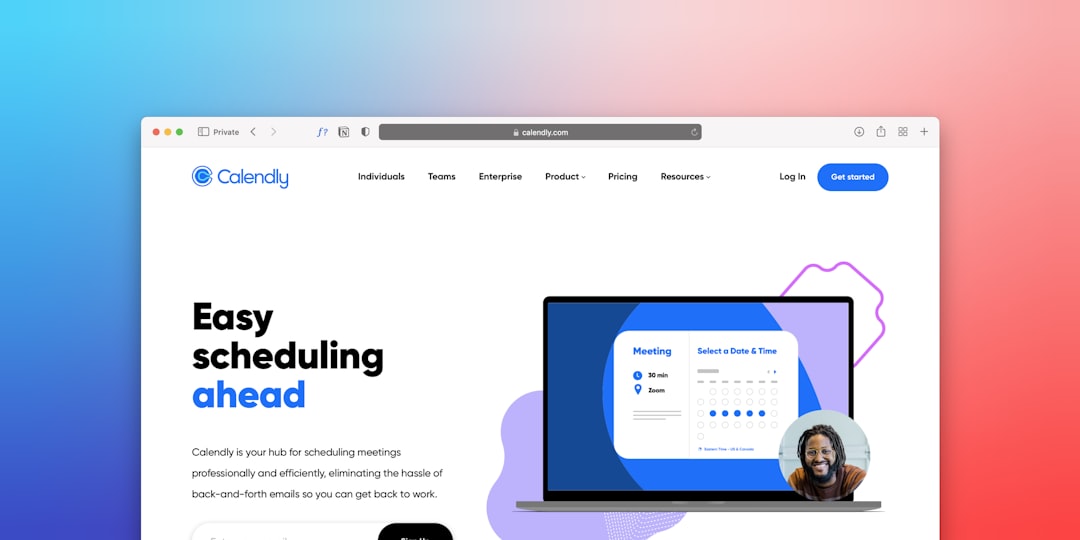
Unbounce is one of the closest competitors to Instapage and is highly regarded for its powerful A/B testing and AI-driven optimization features. It offers a flexible builder and dynamic text replacement, making it particularly effective for PPC campaigns.
Best For: Performance marketers focused on paid search and conversion optimization.
2. Leadpages
Leadpages is a more affordable alternative that appeals to small businesses and solopreneurs. While it may not offer the same level of advanced experimentation tools, it provides strong templates, pop-ups, and alert bars for lead generation.
Best For: Budget-conscious marketers who need simplicity and speed.
3. ClickFunnels
ClickFunnels goes beyond landing pages by enabling users to build entire sales funnels, including upsells, downsells, and email sequences. It is geared toward direct-response marketers and e-commerce sellers.
Best For: Businesses focused on sales funnels rather than standalone landing pages.
4. Webflow
Webflow combines design flexibility with CMS functionality. While not exclusively a landing page builder, it enables advanced users to create visually stunning, fully customized pages.
Best For: Designers and brands needing complete creative control.
5. HubSpot Landing Pages
HubSpot’s landing page builder integrates directly with its CRM and marketing automation platform. This makes it highly attractive to businesses already invested in the HubSpot ecosystem.
Best For: Companies seeking deep CRM and automation integration.

Comparison Chart: Instapage Alternatives
| Tool | Ease of Use | A/B Testing | CRM Integrations | Best For | Pricing Level |
|---|---|---|---|---|---|
| Instapage | High | Advanced | Extensive | Enterprise campaigns | Premium |
| Unbounce | High | Advanced | Strong | PPC marketers | Mid to High |
| Leadpages | Very High | Basic | Moderate | Small businesses | Low to Mid |
| ClickFunnels | Moderate | Moderate | Sales focused | Sales funnels | Mid to High |
| Webflow | Moderate | Limited native | Custom via API | Design flexibility | Mid |
| HubSpot | High | Built in | Native CRM | CRM driven marketing | Mid to High |
When to Choose an Instapage Alternative
Although Instapage is powerful, it may not be suitable for every business. Some common reasons marketers explore alternatives include:
- Budget constraints: Smaller teams may find entry-level tools more affordable.
- Funnel requirements: Businesses building multi-step campaigns may prefer funnel-focused platforms.
- Design needs: Creative teams often require deeper customization.
- Existing ecosystems: Companies using HubSpot or another CRM may prefer native integration.
Careful evaluation of campaign goals ensures the selected platform aligns with both short-term performance metrics and long-term marketing strategy.
How to Evaluate the Right Platform
Choosing the right tool involves more than comparing feature lists. Marketers should conduct platform trials and consider practical workflow requirements.
Consider Campaign Volume
High-volume advertisers benefit from advanced experimentation capabilities and scalable infrastructure.
Assess Team Collaboration Needs
Agencies or large marketing teams require approval systems and shared access features.
Examine Data Ownership and Analytics
Access to raw data and external analytics integrations can significantly influence reporting accuracy.
Review Page Speed and Hosting Infrastructure
Fast hosting environments improve ad Quality Scores and user retention.
The Role of AI and Automation in Modern Landing Page Tools
Many tools like Instapage now incorporate artificial intelligence to enhance campaign outcomes. AI-driven optimization suggests layout adjustments, predicts winning variants, and automates traffic distribution in A/B tests.
Automation also extends to:
- Dynamic headline personalization
- Audience segmentation
- Smart traffic allocation
- Predictive analytics
These features enable marketers to focus more on strategy and creative messaging while relying on data-driven insights to maximize conversion rates.
Final Thoughts
Landing page optimization remains a central factor in campaign success. While Instapage is a leading platform in this space, alternatives such as Unbounce, Leadpages, ClickFunnels, Webflow, and HubSpot offer compelling solutions tailored to different use cases.
The ideal choice depends on a company’s marketing maturity, technical expertise, campaign scale, and integration requirements. By carefully comparing features, pricing, and long-term scalability, businesses can select a platform that not only supports current campaigns but also grows with future marketing ambitions.
Frequently Asked Questions (FAQ)
1. Are tools like Instapage suitable for small businesses?
Yes, but smaller businesses may prefer more cost-effective platforms like Leadpages if they do not require advanced experimentation or enterprise features.
2. What makes Instapage different from other landing page builders?
Instapage stands out for its advanced personalization, collaboration tools, scalable infrastructure, and deep advertising integrations, making it ideal for high-budget campaigns.
3. Do these tools require coding knowledge?
Most landing page builders are designed for non-technical users. However, platforms like Webflow allow additional custom coding for advanced users.
4. Can landing page builders integrate with email marketing platforms?
Yes, most tools integrate with popular email marketing services, CRM systems, webinar platforms, and analytics software.
5. How important is A/B testing for campaign landing pages?
A/B testing is critical for improving conversion rates. Even small changes in headlines or calls to action can significantly impact campaign ROI.
6. Are these tools only for paid advertising campaigns?
No. While commonly used for paid ads, landing page builders are also effective for organic campaigns, product launches, webinar registrations, and lead magnets.