

























Social media scheduling tools have become essential for businesses, agencies, and creators who need consistency, efficiency, and measurable results from their online presence. While Buffer has long been a popular choice for scheduling and publishing content, many professionals are exploring alternatives that offer broader analytics, stronger collaboration features, improved automation, or better pricing flexibility. Choosing the right platform can significantly influence marketing performance and team productivity.
TLDR: Buffer remains a solid scheduling tool, but several alternatives provide expanded analytics, automation, collaboration, and platform integrations. Leading options such as Hootsuite, Sprout Social, Later, Agorapulse, and SocialBee offer distinct strengths for different types of users. The best choice depends on your budget, team size, workflow complexity, and reporting needs. Carefully comparing features and pricing structures is essential before committing to any platform.
Below is a comprehensive and professional overview of the most reliable Buffer alternatives available today, along with a comparison chart to help you evaluate them objectively.
Why Consider Alternatives to Buffer?
While Buffer is known for its simplicity and clean interface, some users require:
- More advanced analytics and reporting
- Broader multi-channel support
- Enhanced team collaboration workflows
- Built-in social listening and monitoring tools
- Campaign-level planning for larger marketing strategies
For agencies, growing brands, or enterprise-level teams, these expanded capabilities can make a substantial difference in long-term scalability.
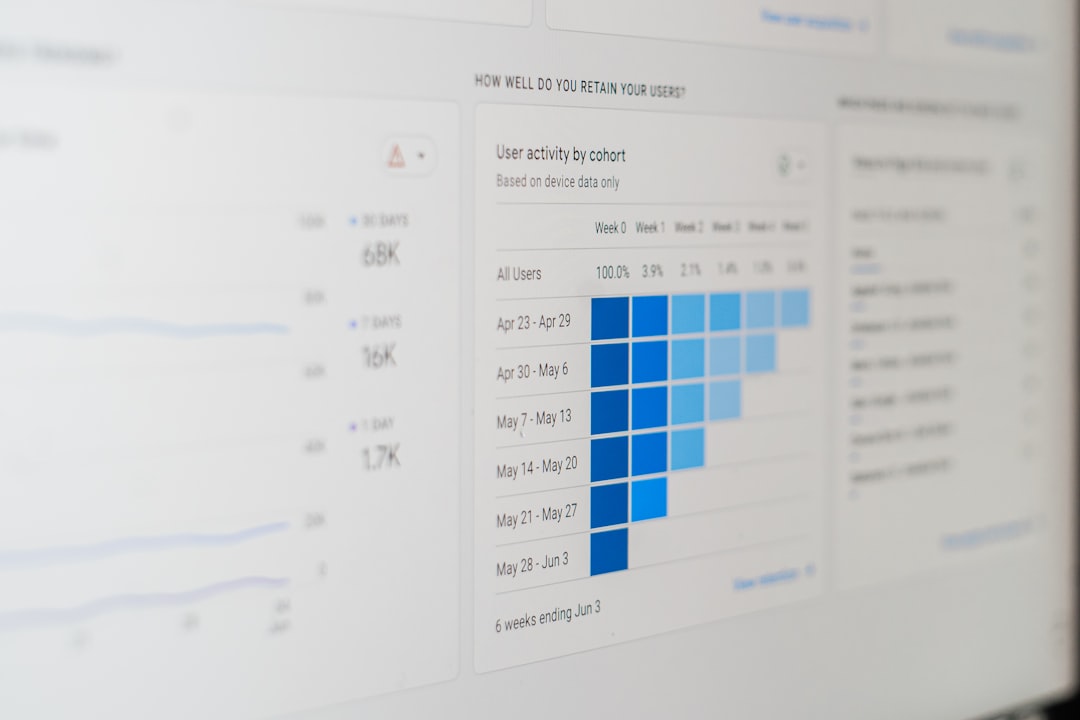
Top Buffer Alternatives for Social Media Scheduling
1. Hootsuite
Best for: Enterprises and agencies managing multiple accounts
Hootsuite is one of the most established social media management platforms. It supports a wide array of networks and provides advanced analytics, team management tools, and social listening capabilities.
Key Features:
- Multi-network publishing and scheduling
- Comprehensive analytics dashboard
- Social listening and monitoring streams
- Team collaboration permissions
- Integration with over 150 apps
Strength: Strong enterprise-grade infrastructure and monitoring tools.
Limitation: Pricing can be significantly higher than Buffer.
2. Sprout Social
Best for: Data-driven marketing teams and mid-to-large businesses
Sprout Social combines powerful publishing features with in-depth analytics and CRM-style engagement tools. Its clean design makes complex data easier to interpret.
Key Features:
- Advanced analytics and custom reporting
- Unified social inbox for engagement
- CRM-style contact management
- Competitive analysis tools
- Team task assignment workflows
Strength: Highly detailed reporting and audience insights.
Limitation: Premium pricing tier may not suit small businesses.
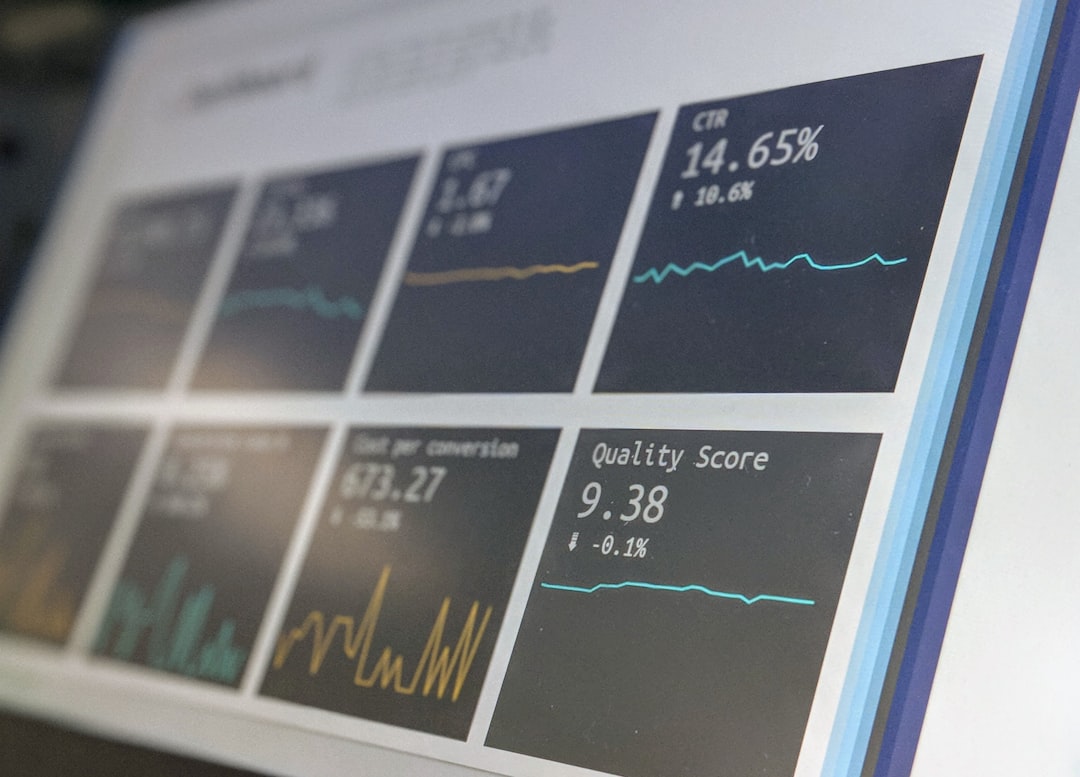
3. Later
Best for: Visual brands and Instagram-focused strategies
Later began as an Instagram scheduler but has expanded to support multiple platforms. It remains especially strong in visual content planning.
Key Features:
- Drag-and-drop visual content calendar
- Link in bio tools
- Hashtag suggestions
- User-generated content management
- Media library organization
Strength: Ideal for brands prioritizing visual storytelling.
Limitation: Analytics are less robust than enterprise tools.
4. Agorapulse
Best for: Agencies and growing businesses
Agorapulse balances affordability with strong features. It excels in inbox management and reporting while remaining more cost-accessible than enterprise competitors.
Key Features:
- Unified social inbox
- Automated moderation rules
- Customizable reporting
- Built-in CRM tools
- Competitive pricing tiers
Strength: Excellent engagement management and moderation system.
Limitation: Listening features are not as deep as those of Hootsuite or Sprout Social.
5. SocialBee
Best for: Content recycling and small teams
SocialBee focuses heavily on content categorization and evergreen posting. It is particularly useful for businesses aiming to maximize the lifespan of their posts.
Key Features:
- Category-based scheduling
- Evergreen content recycling
- Affordable pricing plans
- Content expiration controls
- Team collaboration options
Strength: Efficient long-term content management.
Limitation: Fewer advanced analytics features.
6. Sendible
Best for: Agencies needing white-label functionality
Sendible provides broad integrations and white-label options, making it attractive for agencies serving multiple clients.
Key Features:
- White-label dashboard options
- CRM integrations
- Advanced scheduling queues
- Custom reporting modules
- Cloud storage integrations
Strength: Strong client management tools for agencies.
Limitation: Interface may feel complex to new users.

Comparison Chart: Buffer Alternatives
| Tool | Best For | Analytics Depth | Team Collaboration | Starting Price Level |
|---|---|---|---|---|
| Hootsuite | Enterprises | High | Advanced | High |
| Sprout Social | Data-driven teams | Very High | Advanced | High |
| Later | Visual brands | Moderate | Basic to Moderate | Medium |
| Agorapulse | Agencies and SMBs | High | Advanced | Medium to High |
| SocialBee | Small teams | Moderate | Moderate | Low to Medium |
| Sendible | Client-based agencies | High | Advanced | Medium to High |
Key Factors to Consider Before Choosing
Before selecting a Buffer alternative, evaluate the following criteria:
1. Platform Coverage
Ensure the tool supports all networks relevant to your strategy, including newer platforms like TikTok or Threads where applicable.
2. Reporting Capabilities
If your organization depends heavily on performance metrics and ROI measurement, prioritize tools with advanced custom reporting.
3. Automation and Moderation
Larger communities benefit from automated comment moderation, tagging, and workflow rules.
4. Scalability
Consider whether the platform can grow with your business without drastically increasing costs.
5. Budget Alignment
Pricing structures often scale per user, per profile, or per feature tier. Calculate projected long-term costs.
Final Assessment
Buffer remains a capable and streamlined solution for straightforward scheduling needs. However, businesses that require more powerful analytics, deeper engagement tools, agency-level collaboration, or large-scale campaign management may benefit from exploring specialized alternatives.
Hootsuite and Sprout Social lead in enterprise environments. Agorapulse and Sendible serve agencies particularly well. Later is an excellent choice for visually driven brands, while SocialBee provides strong value for smaller teams focused on content repurposing.
Ultimately, the ideal tool will align with your organizational goals, marketing complexity, and projected growth. Conducting free trials, reviewing analytics demos, and mapping team workflows before committing to a subscription remains the most prudent strategy.
In a competitive digital landscape where consistent presence and data-driven decisions are increasingly essential, investing in the right social media scheduling platform is not merely convenient—it is strategic.