





















Xiaomi continues its dominance in the budget smartphone market with the launch of the Redmi 13, a device that brings high-end camera features—including a stunning 108MP sensor—to the sub-$200 price category. With a focus on value for money, the Redmi 13 attempts to offer an impressive blend of camera prowess, performance, and build quality normally expected from more expensive devices.
TL;DR
The Xiaomi Redmi 13 is a budget smartphone that defies expectations with its 108MP main camera, a first in its price segment. It combines a sleek design, considerable performance upgrades, and a robust battery life at an affordable price point. While not a flagship, it competes favorably with mid-range phones in terms of camera quality and everyday usability. It’s a solid option for users looking for great value without compromising on modern features.
Design and Build Quality
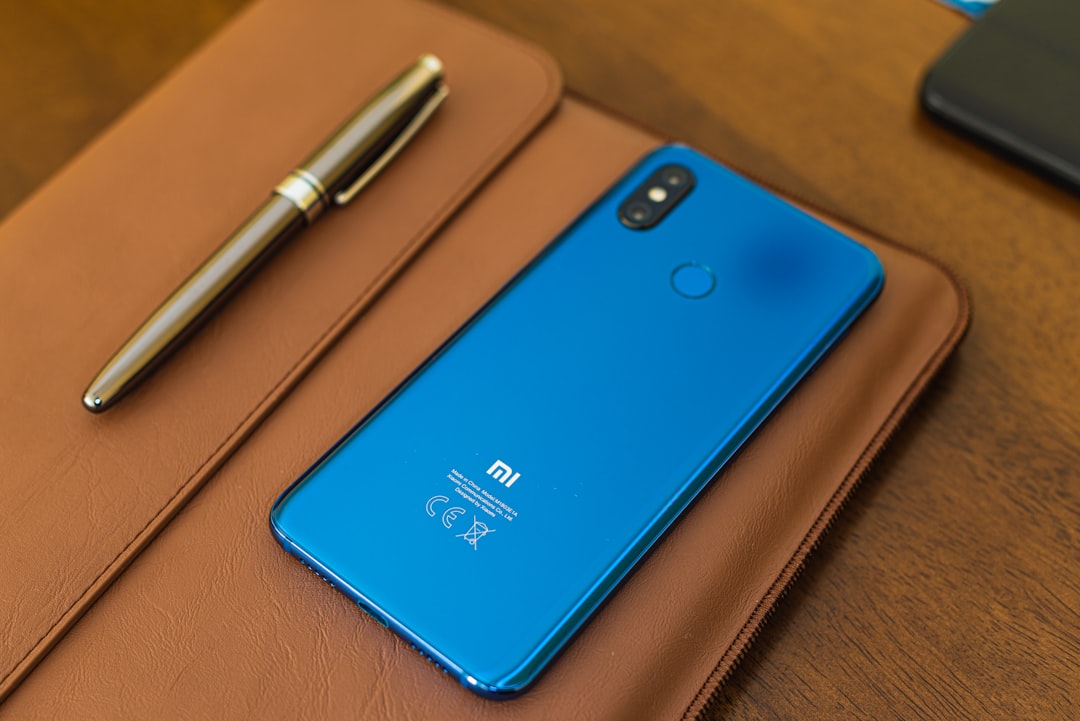
At first glance, the Redmi 13 doesn’t look like a budget phone. The device features a glass-like back panel with a subtle gradient finish, available in attractive colors like Midnight Black, Ocean Blue, and Pearl White. Despite being made of polycarbonate, the construction feels sturdy and solid in hand, offering a premium feel often lacking in phones in this price tier.
The phone incorporates a 6.79-inch FHD+ LCD display with a 90Hz refresh rate. It’s protected by Corning Gorilla Glass for added durability. Thin bezels and a centered punch-hole camera give it a modern aesthetic, reminiscent of devices costing twice as much.
Camera: 108 Megapixels at a Budget Price
The standout feature of the Redmi 13 is undoubtedly its 108MP primary camera sensor, a surprising inclusion for a phone at this price point. Xiaomi uses Samsung’s ISOCELL HM6 sensor, which offers advanced image processing capabilities and pixel binning technology to produce higher quality images even in low light.
Camera specifications:
- Rear Camera 1: 108MP wide sensor, f/1.75 aperture
- Rear Camera 2: 2MP depth sensor for portrait shots
- Front Camera: 13MP punch-hole selfie camera
In daylight conditions, the Redmi 13 captures images with excellent color reproduction, good dynamic range, and impressive detail. Night mode also performs better than expected, considering the device’s budget orientation. Portrait mode with the depth sensor provides decent background separation and natural bokeh effects.
The 13MP front camera is more than adequate for selfies and video calls, offering beauty filters and AI enhancements as options.
Performance and Software Experience
Under the hood, the Redmi 13 is powered by the MediaTek Helio G88</strong chipset, paired with 4GB or 6GB of RAM, depending on the variant. While it isn’t aimed at gamers or power users, it performs reliably in everyday tasks such as web browsing, media consumption, and social media use.
MIUI 14 based on Android 13 comes pre-installed, offering a clean and responsive user interface with minimal bloatware. Xiaomi has also committed to at least two years of security updates, ensuring a degree of longevity for the device.
While the phone isn’t made for high-end gaming, it handles casual titles like Candy Crush, Clash of Clans, and even Call of Duty: Mobile with acceptable performance, particularly when settings are kept to medium or low.
Battery Life and Charging
Another area where the Redmi 13 shines is battery life. It features a 5,000mAh battery that easily lasts a full day of moderate use. Screen-on time averages about 6 to 7 hours, which is highly respectable.
Charging is facilitated through a USB-C port with support for 18W fast charging. While not the fastest in the market, it takes approximately 90 to 100 minutes for a full charge from zero. Xiaomi includes a compatible charger in the box, a welcome addition in a market where such things are often omitted.
Storage and Expandability
The Xiaomi Redmi 13 comes in two storage configurations—128GB or 256GB. Both versions support microSD cards up to 1TB, giving users plenty of flexibility when it comes to storing photos, apps, and media files. This feature is particularly appealing for users who love to capture high-resolution photos and 1080p videos.
Connectivity and Additional Features
Despite its budget status, the Redmi 13 doesn’t skimp on connectivity:
- Dual 4G SIM support
- Bluetooth 5.1 for quick device pairing
- Wi-Fi 802.11ac dual-band
- FM Radio, a rare find today
- 3.5mm headphone jack, still cherished by many
The device also includes a side-mounted fingerprint sensor integrated into the power button, and basic AI face unlock functionality. Both are quick and consistent in daily use.
Pricing and Availability
Xiaomi has launched the Redmi 13 with an aggressive pricing strategy aimed at dominating the budget segment:
- 4GB RAM + 128GB storage: Approx. $149
- 6GB RAM + 256GB storage: Approx. $179
The phone is available in multiple regions including Asia, Europe, and parts of Latin America. Xiaomi has announced plans for wider global availability, which could make it one of the most accessible 108MP phones in the world.
Conclusion: Is the Redmi 13 Worth It?
For those looking for a budget smartphone with standout camera capabilities, the Xiaomi Redmi 13 is arguably one of the best options available in 2024. With its 108MP sensor, a surprisingly decent display, and solid build quality, it punches above its weight in multiple categories.
It’s not perfect—absence of 5G support and only average gaming performance hold it back slightly—but when viewed through the lens of its price, the shortcomings are easily forgivable.
Pros:
- Excellent 108MP main camera
- Attractive and durable design
- Large and bright 90Hz display
- Long battery life
- Competitive pricing
Cons:
- No 5G support
- Average gaming performance
- Uses older Helio G88 chipset
In summary, the Redmi 13 combines exceptional camera hardware with practical everyday performance. It is a compelling choice for budget-conscious users who don’t want to compromise on camera quality or modern smartphone features.