























Few things are more frustrating than working on a project, streaming a movie, or participating in a video call, only to have your laptop suddenly drop the WiFi connection. It happens often and can cause unnecessary stress, productivity loss, or just plain annoyance. Fortunately, this issue is usually solvable—with the right knowledge and a systematic approach.
TLDR: Why Does My WiFi Keep Disconnecting on My Laptop?
WiFi disconnections on a laptop can happen for various reasons such as outdated drivers, weak signal strength, router interference, or power-saving settings. Identifying whether it’s a software or hardware issue is the first step. Most of the common causes have simple fixes that anyone can perform. Regular updates and a few system tweaks often resolve the problem permanently.
Common Causes of WiFi Disconnections
Understanding the root cause of WiFi disconnection is key to finding the right solution. Below are some of the primary reasons this issue occurs on laptops:
- Weak Signal Strength: Physical distance and obstacles can weaken the signal between the router and the laptop.
- Driver or Software Issues: Outdated or corrupt wireless adapter drivers often disrupt connectivity.
- Router or Modem Problems: An overloaded or malfunctioning router can randomly drop connections.
- Power Management Settings: Laptops sometimes turn off WiFi devices to save power.
- IP Address Conflicts: Multiple devices on the network may be assigned the same IP address, creating conflict.
- Background Apps: Software running in the background may interfere with the WiFi adapter’s performance.
1. Signal Interference and Distance
One of the most common reasons for WiFi disconnection is simple: the laptop is either too far from the router or there are too many obstacles in between, such as walls or furniture. Additionally, interference from other devices like microwaves, cordless phones, and neighboring routers can disrupt the signal.
What to do:
- Move closer to the router to check for improved stability.
- Use a 5GHz frequency if available, which is often faster but has a shorter range.
- Minimize interference by relocating electronics that use similar frequencies.

2. Driver and Software Issues
Outdated or incompatible drivers are a major source of WiFi problems. If your wireless network adapter driver is corrupted, outdated, or does not match your hardware model, disconnections are likely to happen frequently.
What to do:
- Go to the Device Manager on your laptop and locate the “Network Adapters” section.
- Find your WiFi adapter, right-click it, and select “Update driver.”
- Visit the manufacturer’s website for the latest version if automatic updates don’t resolve the issue.
3. Router and Network Problems
It’s not always the laptop’s fault. Sometimes the source of the problem lies within the network itself. The router may be overloaded, especially if many devices are connected, or it may need a firmware update.
What to do:
- Restart your router and modem to reset the connection.
- Check for firmware updates via the router’s admin interface.
- Limit the number of devices connected simultaneously to reduce congestion.
4. Laptop Power Management Settings
Laptops are designed to save power wherever possible. Sometimes, this includes turning off the wireless adapter when it’s not in heavy use. Unfortunately, this setting can cause unwanted disconnections.
What to do:
- Navigate to “Device Manager” and find your network adapter.
- Right-click and go to “Properties” > “Power Management.”
- Uncheck the option “Allow the computer to turn off this device to save power.”
5. IP Address Conflicts
If multiple devices on a network are assigned the same IP address—either manually or due to network errors—this can cause dropped connections. An IP conflict confuses the router and can boot devices off the network temporarily.
What to do:
- Go to Command Prompt and enter
ipconfig /releasefollowed byipconfig /renew. - Restart your router to reset the DHCP pool.
- Assign static IP addresses to important devices if conflicts persist.
6. Background Software Conflicts
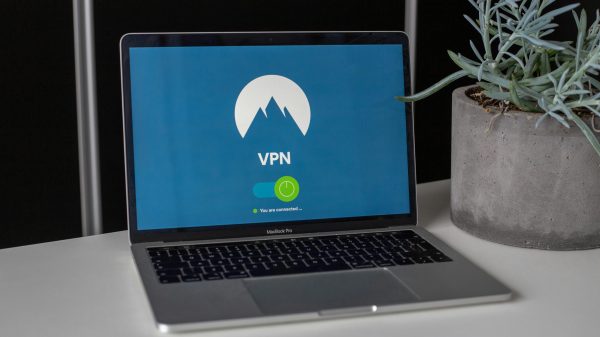
Some software, like VPNs, firewalls, or antivirus programs, might interfere with the operation of your WiFi. These applications can block ports or even disconnect the adapter when they perceive a connection as insecure.
What to do:
- Temporarily disable firewall or VPN services to test the connection stability.
- Ensure that your security software is updated and configured correctly.
- Uninstall any recent applications that may be causing interference.
7. Hardware Issues
If none of the above suggestions help, there might be an issue with the internal WiFi card or antenna in your laptop. Loose connections or aged hardware can malfunction intermittently.
What to do:
- Connect an external USB WiFi adapter as a workaround.
- Take the laptop to a technician for hardware diagnostic and repair.
Conclusion
Intermittent WiFi disconnection on a laptop can stem from a wide range of causes—from weak signals and software glitches to router issues and power-saving configurations. Fortunately, most of these problems are easily identifiable and solvable with a little patience and the right steps. Consistent network performance depends on keeping both laptop and router systems updated and ensuring minimal interference.
FAQ: WiFi Disconnection on Laptops
- Q: Why does my laptop disconnect from WiFi but my phone stays connected?
A: Phones typically have newer or more efficient wireless chips. Your laptop’s network driver or hardware might need updating or maintenance. - Q: How do I fix WiFi disconnection issues in Windows 11?
A: Update your drivers, turn off power-saving settings, reset your network, and check Windows update for bug fixes affecting connectivity. - Q: Could antivirus software cause my WiFi to drop?
A: Yes, some security software can interfere with network operations. Try disabling it temporarily to diagnose the issue. - Q: What if nothing works to fix the WiFi disconnection?
A: Try using a USB WiFi adapter to bypass the internal WiFi card. If the problem persists, consult a technician for hardware inspection. - Q: Is it better to use 2.4GHz or 5GHz for stable connection?
A: 5GHz is faster and may be more stable in less crowded areas, but 2.4GHz offers better range through walls and obstacles. Try both to see which works better in your environment.