

























As small teams strive to compete in fast-moving markets, understanding user behavior and optimizing product features becomes crucial. One particularly powerful tactic is analyzing feature adoption, retention, and user cohorts through analytics dashboards. Thankfully, several tools now package these capabilities into beautifully designed interfaces that even compact teams with limited engineering investment can leverage for maximum impact.
TL;DR
Retention and cohort analysis are game-changers for product teams looking to optimize feature performance. This article highlights seven dashboards that come with built-in tools designed specifically for small, agile teams. These platforms not only reduce the data-crunching workload but also provide meaningful insights fast. From Mixpanel’s intuitive interface to June’s startup-focused simplicity, there’s a solution for every team size and skill level.
1. Mixpanel – Powerful Retention With Granular Event Tracking
Mixpanel remains a staple in analytics dashboards thanks to its powerful event-based tracking and deeply visual retention tools. Its cohort analysis capabilities allow teams to break down users based on in-app behavior, usage frequency, and specific feature interactions over time.
- Great for: Teams needing advanced segmentation and behavioral analytics
- Retention highlight: Automatically track retention over days, weeks, or months by custom-defined events
- Cohort strength: Create and compare custom cohorts in just a few clicks
With its user-friendly interface and extensive documentation, Mixpanel empowers even non-technical teams to explore how users engage after launching a new feature.
Image not found in postmeta2. Amplitude – User Journeys and Feature Stickiness at a Glance
Amplitude is another dominant player in product analytics. What makes it particularly strong for small teams is its focus on conversion paths and retention drivers. It goes beyond viewing what happened and leans into why it happened.
- Great for: Product marketers, UX researchers, and growth teams
- Retention highlight: Focuses on “stickiness” metrics that show daily, weekly, or monthly returning users
- Cohort strength: Real-time cohort comparisons across multiple product funnels
Amplitude also supports custom dashboards that can be shared across teams for collaborative analysis and faster decision making.
3. Heap – Auto-Capture for Maximum Context
Heap is built around the idea of eliminating front-loaded setup work. Its famous “auto-capture” functionality logs all clicks, page views, and app behaviors without requiring developers to define them ahead of time.
- Great for: Early-stage teams who need to retroactively analyze user behavior
- Retention highlight: Dropout rates and engagement fluctuations over time with minimal tracking setup
- Cohort strength: Group users by behavior without touching code
This “set it and analyze later” approach makes Heap ideal for small teams needing flexibility while exploring how new features are affecting user return rates.
4. June.so – The Simplicity Analytics Layer for Startups
June is made for startups by startups. Its mantra is simplicity—offering handpicked pre-built reports for retention, feature adoption, active users, and more. It’s plug-and-play for teams using PostHog or Segment to feed in data.
- Great for: Lean startups and founders wearing multiple hats
- Retention highlight: Features auto-generated retention curves and explains key changes
- Cohort strength: Interpret trends with annotated cohort performances
June’s clean interface is intentionally designed to avoid analysis paralysis. Regular product update breakdowns simplify quantifying product improvements.
Image not found in postmeta5. PostHog – Open Source, Full-Stack, with Cohort Engineering
PostHog is one of the few open-source tools that completed the transition from basic analytics to a full-featured platform rivaling Mixpanel and Amplitude. With support for self-hosting, session recording, heatmaps, and feature flags, it’s particularly appealing to engineering-forward teams that value flexibility.
- Great for: Technical teams who want full control and transparency
- Retention highlight: Drillable charts and customizable date ranges for refining retention metrics
- Cohort strength: Build behavioral-based cohorts using logic and filter chains
PostHog’s cohort tools allow you to re-segment your users instantly based on their latest behavior, turning retention into a live metric instead of a static one.
6. Google Analytics 4 (GA4) – Familiar Yet Offering Retention Basics
Although originally focused on web metrics, GA4 has become more product-oriented with recent updates. Small teams already using Google’s platform for traffic analysis can tap into retention data without setting up a new toolchain.
- Great for: Marketing-led product teams already inside the Google ecosystem
- Retention highlight: Lifetime value and cohort reports structured around acquisition dates
- Cohort strength: Filter by channel, campaign, or user action at acquisition
While GA4 lacks the deep behavioral granularity of Mixpanel or Amplitude, it does provide a cost-effective way to explore retention patterns and cohort activity tied to acquisition strategies.
7. Indicative – Product Analytics Specifically for Data Teams
Built to serve product managers and data-driven teams, Indicative excels by connecting directly to data warehouses and exposing real-time behavior across the user lifecycle. It doesn’t require writing SQL, yet behaves like a customizable analytical workbench.
- Great for: Mid-sized SaaS teams with lots of raw behavioral data
- Retention highlight: User lifecycle views joined with event series across time
- Cohort strength: Align cohorts to specific custom events and monitor KPIs directly
It’s notably popular among product-led companies needing cohort analysis without sacrificing control over data precision.
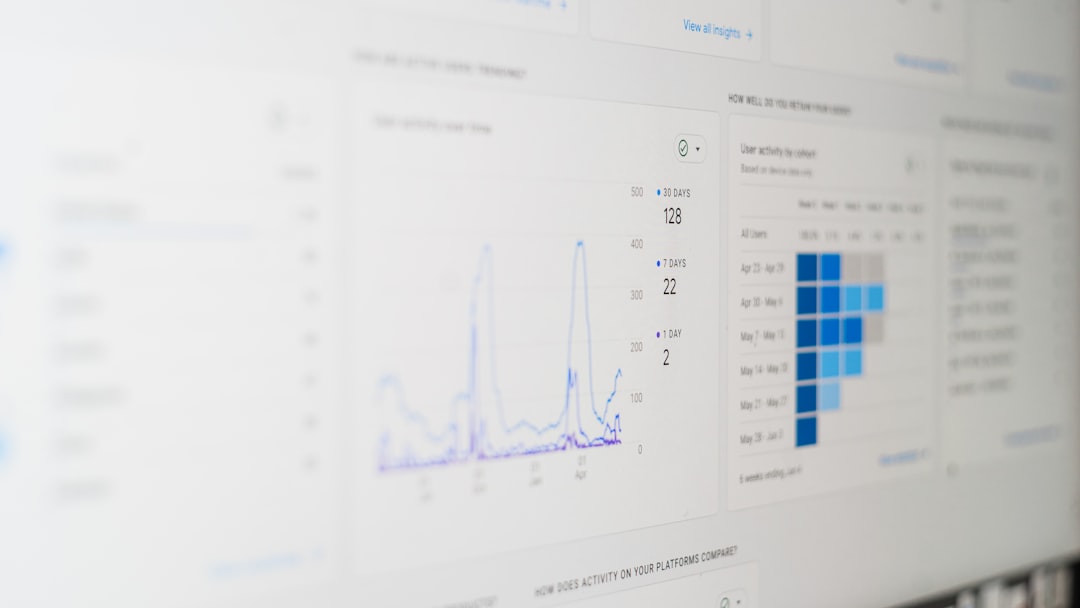
Key Takeaways
Retention and cohort analysis are no longer luxury metrics available only to enterprise-level teams with dedicated analysts. Today’s analytics dashboards—rich in automation, accessible design, and built-in metric logic—make it easy for even lean squads to understand what features keep users coming back and why.
Here’s a quick recap:
- Mixpanel: Ideal for teams ready to get granular with data
- Amplitude: Best for deep funnel mapping and sticky feature detection
- Heap: Perfect for auto-tracking everything from day one
- June: Built for startups wanting actionable answers fast
- PostHog: Great for developers wanting total control and flexibility
- GA4: Universal tool with solid retention tracking for marketers
- Indicative: Designed for companies with substantial data infrastructure
Final Word
Every team has different bandwidth, tech stack, and analytics needs, but the right dashboard can close that gap between instinct and insight. Whether your next product success depends on customer stickiness, feature loyalty, or intelligent rollouts, these tools offer effective starting points without requiring a PhD in data science.