






















In the world of telecommunications and networking, understanding the various components that make data communication possible is essential. One of the foundational terms you’ll encounter is Data Terminal Equipment, commonly abbreviated as DTE. Whether you’re studying for a networking certification, configuring your home router, or just curious about how digital communication works, understanding what DTE is—and how it interacts with other components—is critical.
TL;DR
Data Terminal Equipment (DTE) refers to devices that serve as data sources or destinations in a network. These devices communicate with Data Circuit-Terminating Equipment (DCE) like modems to send or receive data. Common examples of DTE include computers, terminals, and routers. DTE operates at the user end of a communication system, relying on DCE to transmit data across external networks.
What is Data Terminal Equipment?
Data Terminal Equipment (DTE) is a term used in telecommunication and data communication to describe any device that acts as a source or destination for digital data. These devices are designed to communicate with other systems through a DCE, such as a modem or switch, using a standardized interface.
In simplified terms, a DTE is typically either sending or receiving data; it is not focused on how that data travels across a network. That job is handled by DCE.
DTE vs. DCE: What’s the Difference?
To fully understand DTE, it’s important to contrast it with its counterpart: Data Circuit-Terminating Equipment (DCE). The two work in tandem, but serve very different purposes:
- DTE (Data Terminal Equipment): Originates or consumes data. Examples include computers, printers, and routers in certain configurations.
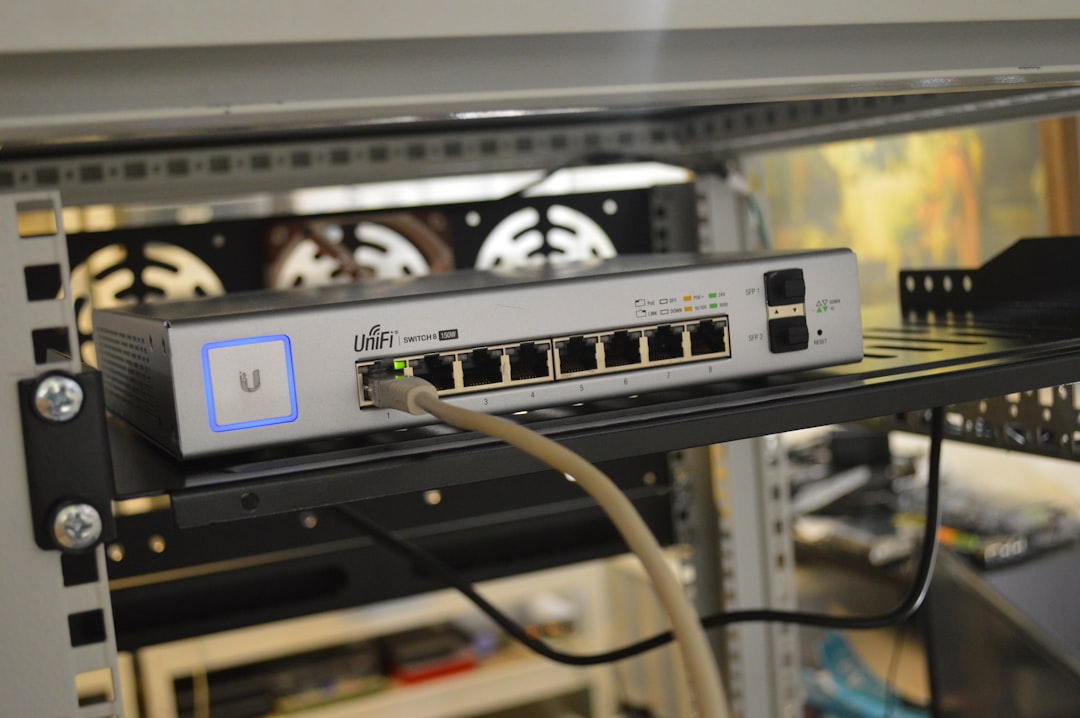
- DCE (Data Circuit-Terminating Equipment): Transmits data between DTE and the communication network. Examples include modems and network switches.
The difference often boils down to their roles in digital communication. DTEs generate or use the data, while DCEs facilitate its movement across network paths or communication circuits.
Common Examples of Data Terminal Equipment
Now that we’ve defined what DTE is, let’s look at some of its most common implementations. Many of these will be familiar to you:
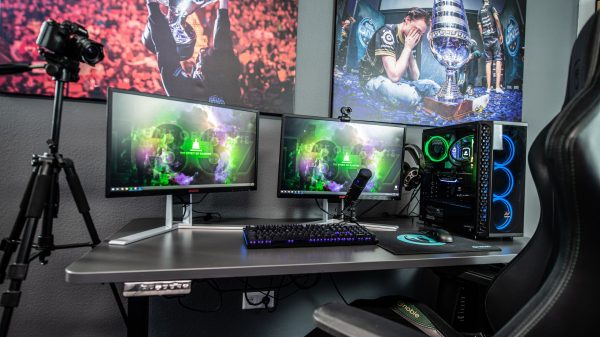
- Personal Computers: A typical example of DTE. It sends and receives data through networks, usually with the help of a modem or router (DCE).
- Routers: Routers can serve as DTE when configured to interact directly with a DCE device such as a CSU/DSU or modem.
- Terminals and Workstations: Devices that allow users to input or consume data across a network connection.
- Printers: Especially network printers that receive data through a network, making them data destinations.
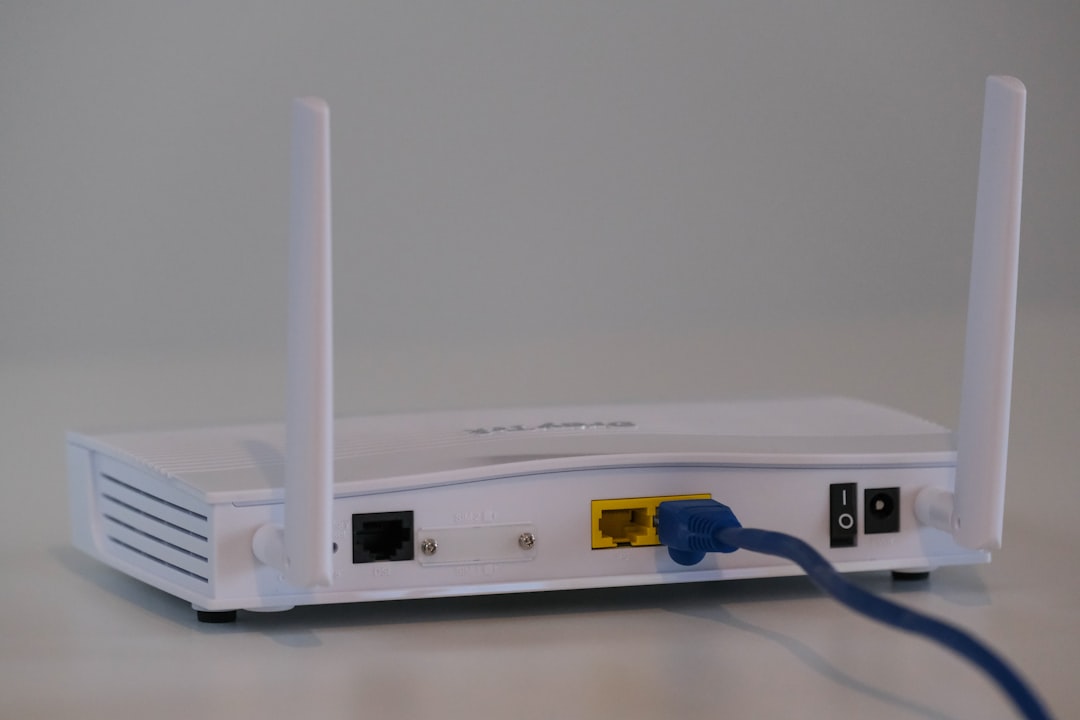
Whenever users interact with a digital device to send or receive information over a network, they are most likely using a piece of DTE.
Physical and Logical Interfaces
One of the technical aspects of DTE that makes it unique is how it connects to DCE. Communication between DTE and DCE typically involves physical and logical interfaces that follow standardized protocols.
RS-232 is one of the most widely known standards that define the mechanical, electrical, and functional aspects of communication interfaces between DTE and DCE. In this configuration, the DTE usually has a male connector, while the DCE has a female one. This distinction helps prevent the wrong types of devices from being connected directly.
It’s also common to use protocols like V.24, USB, or Ethernet to maintain communication between DTE and DCE, depending on the level of the network and the application involved.
The Role of DTE in Data Communication
DTE plays a critical role in the OSI model, particularly in the Data Link and Physical Layers. It is responsible for:
- Initiating communication sessions
- Encoding and decoding data into signals for transmission and reception
- Interpreting received data for user applications
In many network models, DTE occupies the end-user access point of the network, effectively acting as the gateway for user communication.
Image not found in postmetaWithout DTE, users would have no interface to interact with a communication network. It serves as the human-machine interface, turning abstract code and protocols into practical tools like emails, files, and online content.
Wiring and Cable Configurations
DTE and DCE also differ in how they’re wired. For example, the RS-232 standard defines the pin assignments on connectors for DTE and DCE. This difference becomes crucial when connecting two DTEs, such as when two computers communicate directly without a modem.
To solve this issue, a special cable called a null modem cable is used. It essentially “crosses over” the transmission (TX) and receiving (RX) lines to simulate communication as if a DCE were present.
- Standard Cable: Used to connect DTE to DCE
- Null Modem Cable: Used to connect two DTEs directly
This becomes especially relevant in legacy systems and industrial communication setups that still rely on serial communication standards.
DTE in Modern Networking
While the DTE/DCE categorization is rooted in older technologies like serial communication, the concept remains relevant today. In a modern Ethernet-based network, DTE is typically the endpoint computer or device that initiates a connection, while the switch or router functions more like a DCE by providing transmission services.
Various networking certifications, such as Cisco’s CCNA, still teach the importance of classifying equipment as DTE or DCE to diagnose issues, make proper connections, and establish communication flow.
Auto-Detection and Crossover in Modern Devices
One challenge in traditional networking has been ensuring the correct type of device connection—DTE-to-DCE rather than DTE-to-DTE or DCE-to-DCE. Modern networking hardware has largely overcome this with Auto-MDI/MDI-X functionality. This technology allows Ethernet interfaces to automatically configure themselves as either DTE or DCE, eliminating the need for crossover cables in many setups.
This advancement significantly simplifies networking for average users and IT professionals alike, ensuring that communication between devices is seamless regardless of how they’re connected.
Why Understanding DTE Still Matters
Despite how intuitive modern networking has become, a solid understanding of DTE and its role in digital communication is still highly valuable. It helps in areas such as:
- Troubleshooting faulty connections or communication issues
- Planning or designing industrial and embedded systems where legacy serial lines are used
- Understanding the logic behind communication protocols
- Preparing for networking certifications and careers
Conclusion
In summary, Data Terminal Equipment (DTE) is a cornerstone of telecommunication systems, functioning as the origin or destination for user data. Whether it’s a personal computer, a networked printer, or a router, DTE components enable human-machine interaction by initiating and interpreting digital communications. Though the traditional distinctions between DTE and DCE are becoming blurred in modern Smart Ethernet technologies, understanding these roles remains essential for anyone involved in networking, IT, or computer science.
Next time you send an email, stream a video, or print a document over a network, remember: you’ve just used a Data Terminal Equipment to make it happen.