




















Being a founder is hard. Being a founder who also needs to “show up on LinkedIn every day” is even harder. You are building product. Talking to customers. Raising money. Hiring. Fixing bugs. And somehow you are also supposed to be a thought leader.
It’s no surprise that many founders burn out trying to do it all. The result? Inconsistent posting. Random ideas. Long gaps of silence. And a LinkedIn presence that feels like a guilt project.
TLDR: Founder burnout kills consistency, and consistency is what drives LinkedIn growth and pipeline. The solution is not “try harder.” It’s building simple systems that turn your ideas into repeatable content. Operationalize your thought leadership like you operationalize your product, and LinkedIn becomes an asset, not a burden.
Let’s break this down in a simple way.
Why Founder Burnout Destroys LinkedIn Momentum
LinkedIn rewards consistency. It rewards clarity. It rewards strong opinions and helpful insights.
Burnout creates the opposite:
- Missed posting schedules
- Rushed, low‑quality posts
- No engagement with comments
- Generic content with no clear point of view
When you are exhausted, creativity shrinks. Everything feels hard. Even writing 150 words can feel heavy.
But here’s the truth: LinkedIn is not about daily inspiration. It’s about systemized output.
And systems reduce stress.
Shift #1: Stop Creating Content. Start Capturing It.
Most founders think they need to “come up with content ideas.” That’s exhausting.
You don’t need more ideas. You already have them.
You are:
- On sales calls
- On product meetings
- On investor updates
- In hiring conversations
- Reviewing customer feedback
That is your content.
Instead of inventing posts, install a simple capture system.
Here’s an easy framework:
- Create one shared note called “LinkedIn Ideas.”
- After every important call, write 3 bullet points.
- Save great customer quotes.
- Write down objections you hear in sales.
- Note hard lessons you just learned.
That’s it.
No pressure to polish. Just capture.

In one week, you will have 20+ ideas. In a month, 80+. Content stops being scary.
Shift #2: Turn Thought Leadership into Themes
Burnout often comes from decision fatigue. “What should I post today?” drains energy.
Remove the decision.
Create 3–5 core themes that define your voice.
For example:
- Building in Public – wins and losses
- Industry Insights – trends and opinions
- Leadership Lessons – managing team and culture
- Customer Stories – use cases and transformations
- Founder Reality – honest, raw reflections
Now every post fits into one of these buckets.
No more blank page stress.
On Monday? Industry insight.
On Wednesday? Customer story.
On Friday? Founder reflection.
Structure reduces burnout.
Shift #3: Build a Simple Content Engine
You don’t need a viral thread every day. You need a repeatable engine.
Here’s a lightweight system that works:
Step 1: Weekly Brain Dump (30 Minutes)
Once a week, sit down and review your idea note.
Pick 3 ideas.
Write rough drafts. Short. Messy. Imperfect.
Step 2: Batch and Schedule
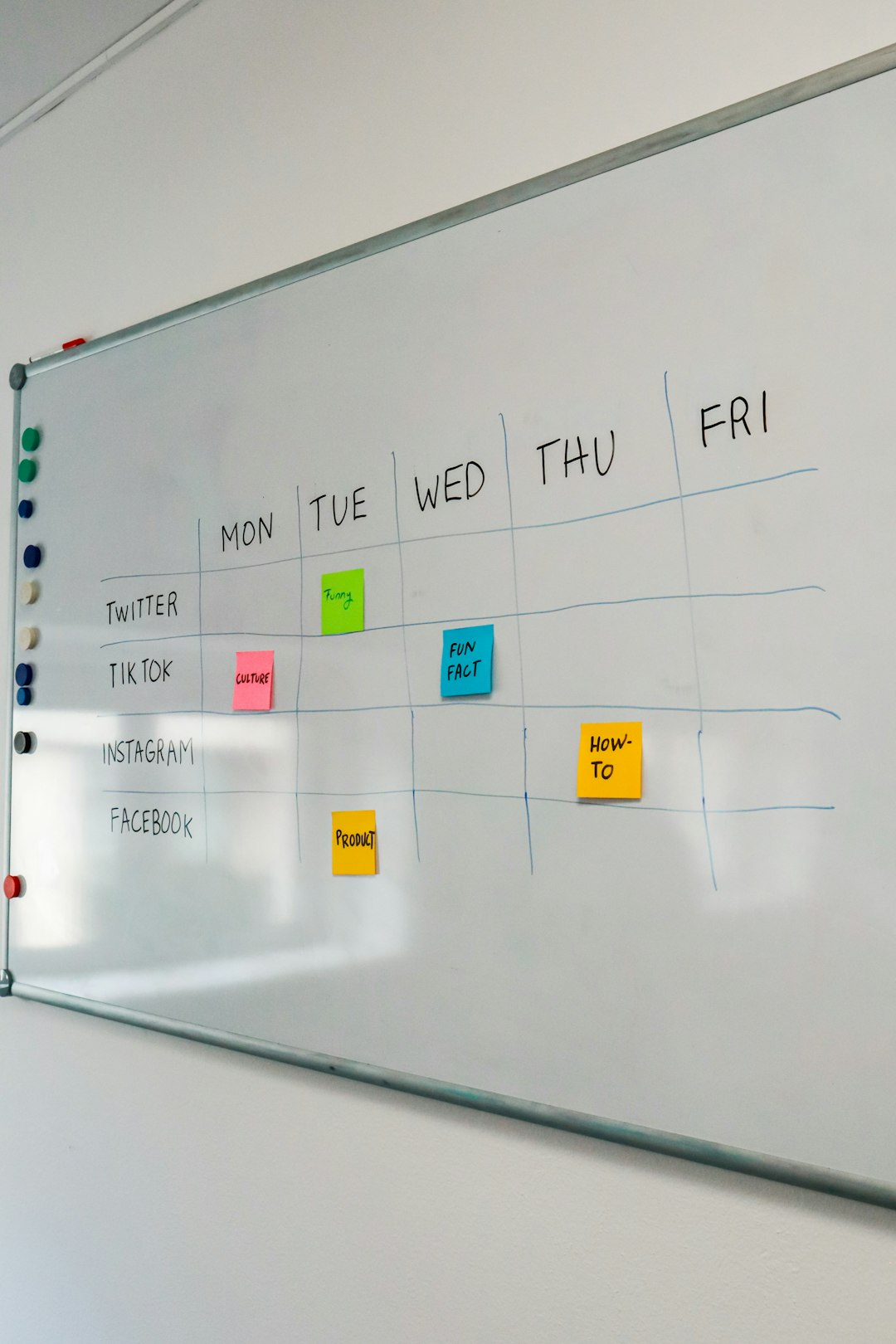
Use a scheduling tool. Or calendar reminders.
Program the posts in advance.
Now LinkedIn runs even if you have a crazy week.
Step 3: Daily 15-Minute Engagement Slot
Set one small window.
Reply to comments. Comment on industry posts. Thank people for sharing.
Fifteen minutes. That’s all.
This protects your energy. And keeps visibility high.
Thought leadership becomes operational, not emotional.
Shift #4: Separate Voice from Production
This is where many founders unlock serious leverage.
You do not have to write alone.
Your job is to provide:
- Raw opinions
- Stories
- Frameworks
- Experience
Someone else can help with:
- Editing
- Formatting
- Hook writing
- Repurposing
This can be:
- A marketing team member
- A freelancer
- An agency
- A ghostwriter
You do a 20-minute voice note. They shape it into 3 posts.
You approve. Done.
Energy saved. Strategy intact.
This is not cheating. This is leadership.
Shift #5: Connect LinkedIn to Pipeline, Not Ego
Vanity metrics are dangerous.
Likes feel good. But they don’t pay salaries.
To avoid burnout, LinkedIn must connect to real outcomes.
Ask yourself:
- Who is my ideal customer?
- What problems keep them up at night?
- What objections slow down my deals?
Then write posts that answer those questions.
Example:
If prospects often say, “We’re not ready yet,” write a post about the hidden cost of waiting.
If many ask about ROI, share a customer case study.
If they misunderstand your category, educate them publicly.
Your content becomes pre-sales education.
Sales cycles shrink.
Inbound improves.
Now LinkedIn feels strategic. Not performative.
Shift #6: Create a Content-to-Pipeline Loop
Here’s a simple loop that works beautifully:
- Post educational content.
- Engage with people who comment.
- Visit their profiles.
- Send thoughtful follow-ups.
- Start conversations.
Not spammy pitches.
Conversations.
For example:
“Hey Sarah, I noticed you mentioned hiring challenges in fintech. We’re seeing similar trends. Curious how you’re approaching it?”
Natural. Contextual. Human.
Your thought leadership warms the room.
Your outbound becomes warmer.
Burnout drops because responses feel meaningful.
Shift #7: Repurpose Everything
Creating once is tiring. Repurposing is smart.
One podcast interview can become:
- 5 LinkedIn posts
- 10 short clips
- 1 newsletter
- Multiple comment threads
One customer webinar can become:
- A case study post
- A “lesson learned” post
- A mistakes-to-avoid post
This lowers effort. Increases output. And preserves energy.
If you feel tired, you are probably creating from scratch too often.
Shift #8: Use Templates to Remove Friction
Templates reduce thinking. That’s good.
Try these simple structures:
The Lesson Template
- Something I believed:
- What happened:
- What I learned:
- Advice:
The Breakdown Template
- Problem:
- Why it happens:
- 3 solutions:
- Closing thought:
The Strong Opinion Template
- Unpopular opinion:
- Why most people disagree:
- Why I believe this:
- Who this matters for:
Simple frameworks reduce blank-page stress.
Shift #9: Protect Your Energy Like a Resource
Your energy is finite.
Treat it like capital.
That means:
- No doom scrolling
- No comparing your growth to mega influencers
- No arguing in comments
- No chasing every new trend
Pick your lane.
Stay consistent.
Ignore noise.
Remember, you are building authority in a niche. Not trying to win the internet.
Shift #10: Think Long Game
Thought leadership compounds.
The post you write today might bring a deal in six months.
A founder might read your content quietly for a year before reaching out.
This is normal.
Consistency over time builds:
- Trust
- Recognition
- Credibility
- Inbound interest
If you expect instant pipeline, you will burn out.
If you expect slow compounding growth, you will stay calm.
Put It All Together
Founder burnout is real.
But LinkedIn does not have to make it worse.
In fact, when systemized properly, LinkedIn can:
- Clarify your thinking
- Attract aligned customers
- Strengthen your brand
- Create inbound opportunities
The secret is simple:
Do not rely on motivation.
Do not rely on bursts of inspiration.
Build systems.
Capture ideas daily.
Batch weekly.
Use themes.
Repurpose content.
Engage intentionally.
When LinkedIn becomes operational, it becomes sustainable.
And when it becomes sustainable, it becomes powerful.
You are already doing the hard work of building a company.
With the right systems, your thought leadership can work just as hard for you — without burning you out in the process.