





















Whole Foods Market is one of the most recognizable grocery chains in the United States, known for its organic produce, specialty products, and health-focused offerings. As grocery prices continue to fluctuate in 2026, many shoppers who rely on government assistance programs are asking an important question: can they use their benefits at Whole Foods? Understanding where and how to use Supplemental Nutrition Assistance Program (SNAP) benefits is essential for millions of Americans trying to stretch their food budgets.
TLDR: Yes, Whole Foods Market accepts EBT in 2026 at all eligible U.S. store locations. Customers can use SNAP benefits to purchase approved food items in-store and, in many areas, for online pickup or Amazon-integrated delivery orders. However, EBT cannot be used for hot prepared foods, alcohol, or non-food items. Shoppers should confirm local participation for online SNAP orders before checkout.
Does Whole Foods Accept EBT in 2026?
In 2026, Whole Foods Market does accept EBT cards at all participating U.S. store locations. Since Whole Foods is owned by Amazon, it is authorized under the USDA’s SNAP Retailer Program, which allows eligible grocery stores to process Electronic Benefits Transfer (EBT) payments.
This means customers can swipe their EBT card at checkout just like a debit card when purchasing eligible food items. Most brick-and-mortar Whole Foods stores nationwide participate in the SNAP program, though availability for online purchases may vary by state.
Image not found in postmetaWhat Is SNAP and How Does EBT Work?
The Supplemental Nutrition Assistance Program (SNAP) is a federal program administered by the United States Department of Agriculture (USDA). It provides low-income individuals and families with monthly funds to purchase food. These funds are loaded onto an EBT card, which functions similarly to a debit card.
Each month, eligible participants receive an allocation based on income, household size, and other qualifying factors. When shopping:
- The customer selects eligible SNAP items.
- The EBT card is inserted or swiped at checkout.
- The approved amount is deducted from the SNAP balance.
- Any non-eligible items must be paid for separately.
Whole Foods’ checkout systems are programmed to automatically distinguish between eligible and non-eligible items.
What Can You Buy at Whole Foods with EBT?
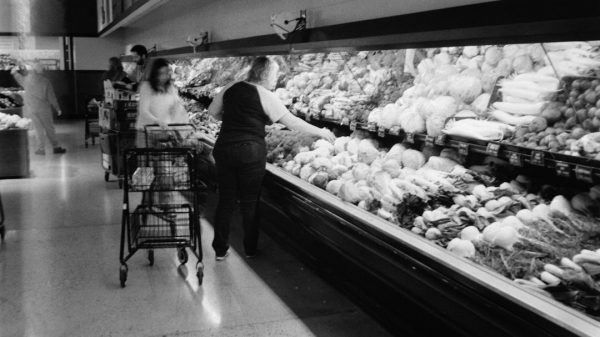
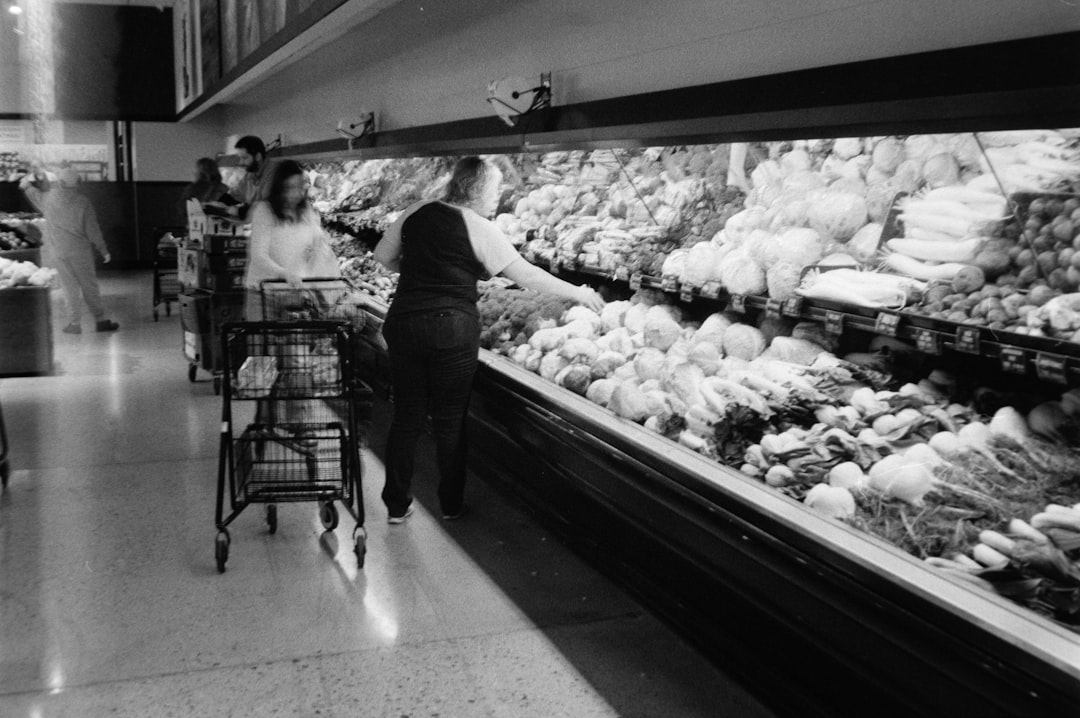
SNAP benefits can be used to purchase many of the same grocery items other customers buy. Whole Foods offers a wide selection of qualifying items, including organic and specialty products.
Eligible items typically include:
- Fresh fruits and vegetables
- Meat, poultry, and fish
- Dairy products
- Bread and cereals
- Snack foods
- Non-alcoholic beverages
- Seeds and plants that produce food
This makes Whole Foods a viable option for SNAP recipients who prioritize organic or specialty diets.
What Cannot Be Purchased with EBT?
While Whole Foods carries many SNAP-eligible groceries, certain products are restricted under federal law.
EBT cannot be used to buy:
- Alcoholic beverages
- Tobacco products
- Vitamins and supplements (if labeled as supplements)
- Hot prepared foods ready for immediate consumption
- Non-food items such as cleaning supplies or cosmetics
- Pet food
For example, a rotisserie chicken sold hot at the deli counter would not qualify, but a packaged cold chicken intended for reheating later may be eligible depending on how it is labeled.
Can You Use EBT for Online Whole Foods Orders?
One of the biggest developments in recent years has been the expansion of online SNAP purchasing. In 2026, many areas allow EBT payments for online grocery orders placed through Amazon for Whole Foods products.
However, availability depends on:
- The state of residence
- Local SNAP online purchasing approval
- Participation of the specific Whole Foods location
Customers can log into their Amazon account, add their EBT card as a payment method, and shop for eligible items. During checkout, SNAP-approved items are charged to the EBT balance, while taxes, fees, tips, and ineligible items must be covered by another payment method.
Important: Delivery fees cannot be paid using SNAP benefits.
How to Use EBT at Whole Foods In-Store
The in-store process is straightforward. Here is how it generally works:
- Shop for eligible food items.
- Proceed to checkout (self-checkout or cashier-assisted).
- Swipe or insert the EBT card when prompted.
- Enter the PIN.
- Confirm the amount deducted from SNAP funds.
- Pay separately for non-eligible items if necessary.
Self-checkout kiosks at most Whole Foods locations are also equipped to handle EBT transactions, making the process discreet and convenient.
Comparison: In-Store vs. Online EBT at Whole Foods
| Feature | In-Store EBT | Online EBT (Amazon Integration) |
|---|---|---|
| Availability | All participating stores | Select states and areas |
| Payment for Delivery Fees | Not applicable | Cannot use EBT |
| Instant Item Approval | Yes | Yes during checkout |
| Need Secondary Payment? | Only for non-eligible items | Yes for fees and ineligible items |
| Convenience | Immediate pickup | Home delivery or scheduled pickup |
Tips for Shopping at Whole Foods with SNAP
Because Whole Foods is often perceived as expensive, SNAP recipients may wonder how to maximize benefits there. With careful planning, it can be manageable.
- Look for 365 store brand products, which are typically more affordable.
- Use weekly sales and digital coupons.
- Buy in-season produce for lower prices.
- Compare unit prices listed on shelf tags.
- Avoid impulse specialty items unless budget allows.
Are There Any Restrictions Unique to Whole Foods?
Whole Foods follows the same USDA SNAP regulations as other authorized retailers. There are no unique company-specific restrictions beyond standard federal guidelines.
However, shoppers should keep in mind:
- Some smaller-format Whole Foods stores may have limited inventory.
- Hot food bars and prepared stations generally do not qualify for EBT.
- Product labeling determines eligibility (especially with supplements).
State Variations in 2026
Although SNAP is federally funded, it is administered at the state level. This means certain operational details can vary.
Examples of possible state differences include:
- Online purchasing availability
- Customer service contact processes
- Replacement procedures for lost EBT cards
- Balance inquiry methods
Consumers are encouraged to check with their state SNAP agency or the official Amazon SNAP portal for the most up-to-date online purchasing status.
Frequently Asked Questions (FAQ)
1. Does every Whole Foods location accept EBT in 2026?
Most Whole Foods stores in the United States accept EBT for eligible purchases. However, it is always wise to call your local store to confirm participation.
2. Can EBT be used at Whole Foods hot bar?
No. Hot prepared foods intended for immediate consumption are not SNAP-eligible, even if purchased from Whole Foods.
3. Can SNAP benefits be used for Whole Foods delivery?
In many states, SNAP can be used for eligible items ordered online via Amazon. However, delivery fees and tips must be paid separately using another payment method.
4. Can you use EBT at Whole Foods self-checkout?
Yes. Most self-checkout systems at Whole Foods accept EBT cards just like debit cards.
5. Are organic foods covered by SNAP?
Yes. If the item qualifies as an eligible food product under SNAP guidelines, it does not matter whether it is organic or conventional.
6. Can you split payments at Whole Foods?
Yes. Customers can use EBT for eligible items and another payment method (cash, debit, or credit card) for non-eligible purchases.
7. How do you check your EBT balance before shopping?
Balances can typically be checked via the phone number on the back of the EBT card, through a state benefits portal, or at the checkout receipt after a purchase.
8. Does Whole Foods accept WIC as well?
WIC acceptance varies by location and state. Customers should contact their local Whole Foods store to verify participation in the WIC program.
In 2026, Whole Foods Market continues to be a SNAP-authorized retailer, offering access to nutritious and specialty food options for EBT users. While some limitations apply—especially for hot foods and delivery fees—the majority of grocery staples can be purchased using EBT. With thoughtful planning and awareness of eligibility rules, SNAP participants can confidently shop at Whole Foods both in-store and, in many regions, online.