



















The expression “trouble hat” sounds playful, slightly mysterious, and instantly visual. It suggests a person putting on an imaginary hat that signals mischief, conflict, chaos, or readiness to deal with a difficult situation. Although it is not a centuries-old idiom with one fixed definition, it has become useful in casual speech, online humor, storytelling, and workplace banter because it turns the idea of “trouble” into something easy to picture.
TLDR: A trouble hat is a symbolic or imaginary hat associated with causing trouble, attracting trouble, or preparing to handle trouble. Its meaning depends heavily on context, ranging from harmless mischief to serious responsibility. The phrase likely comes from the broader English habit of describing roles as “hats,” such as a “manager hat” or “thinking cap.” Today, it appears in jokes, memes, conversations, fiction, games, and team culture.
What Does “Trouble Hat” Mean?
The phrase “trouble hat” generally refers to a mindset, role, or persona connected with trouble. When someone is said to be wearing a trouble hat, that person may be seen as stirring things up, taking risks, challenging rules, or preparing to face a complicated situation. The “hat” is usually not literal. Instead, it represents a temporary identity or attitude.
In a lighthearted setting, a trouble hat may mean playful mischief. A friend who walks into a party with a grin and a plan for pranks could be described as wearing a trouble hat. In a workplace, the phrase might mean that a manager is switching into problem-solving mode. In fiction, it can signal that a character is about to make a bold, disruptive, or questionable decision.
The phrase has flexibility because both words carry strong imagery. “Trouble” suggests conflict, risk, mistakes, rebellion, or difficulty. “Hat” suggests a role that can be put on or taken off. Together, they create the idea that trouble is not just happening; someone is stepping into a trouble-related role.

The Role of “Hat” as a Metaphor
To understand the phrase, it helps to examine how English uses hats as symbols. People often say someone is wearing “many hats” when that person has several duties. A teacher may wear the hat of instructor, mentor, counselor, and organizer. A business owner may wear the hat of marketer, accountant, and customer service representative.
This metaphor works because hats are visible, changeable, and associated with identity. A chef’s hat, police cap, hard hat, crown, or wizard hat immediately suggests a role. Even when no real hat is present, language borrows that visual power. A person can put on a “thinking cap,” a “leadership hat,” or a “parent hat” simply by changing behavior.
The trouble hat follows the same pattern. It names a role connected to disruption or difficulty. Sometimes the wearer is the source of trouble. At other times, the wearer is the person responsible for managing it. This double meaning is one reason the phrase feels humorous and useful.
Possible Origins of “Trouble Hat”
The exact origin of “trouble hat” is difficult to trace. It does not appear to have a single famous literary source or one widely agreed-upon inventor. Instead, it seems to have grown naturally from existing English expressions involving hats, roles, and trouble.
One likely root is the long-standing phrase “thinking cap.” Since the nineteenth century, people have used “thinking cap” to mean a focused mental state. Over time, speakers began creating new “hat” phrases for nearly every kind of role. A person can put on a “serious hat,” “legal hat,” “creative hat,” or “customer hat.” In that same creative pattern, “trouble hat” becomes an easy invention.
Another influence may come from older images of rogues, pranksters, and rebels wearing distinctive hats. Popular culture often gives troublemakers recognizable accessories: a tilted cap, a black hat, a jester’s cap, a pirate hat, or a villain’s top hat. These visual clues tell an audience that a character is dangerous, mischievous, or unpredictable.
There is also a connection to the phrase “black hat,” which traditionally refers to villains in old Western films and, later, to malicious hackers in technology. While a trouble hat is usually less specific than a black hat, both phrases use headwear to symbolize questionable intent or disruptive behavior.
Common Interpretations
The meaning of trouble hat depends on tone and situation. The phrase can be affectionate, critical, joking, or serious. Some common interpretations include:
- The mischief maker: Someone is acting playfully disruptive, teasing others, or encouraging harmless chaos.
- The rebel: A person is challenging authority, ignoring expectations, or refusing to follow the usual path.
- The problem solver: Someone is preparing to face a difficult issue and sort it out.
- The risk taker: A person is entering a situation that may create conflict or unpredictable results.
- The dramatic persona: Someone is exaggerating their own chaotic mood for comedic effect.
Because the phrase is informal, it often relies on shared understanding. Among friends, it may sound funny and warm. In a tense meeting, it may sound like a warning. In a story, it may serve as a quick character signal.

Popular Uses in Everyday Conversation
In ordinary speech, trouble hat often appears as a humorous label. Someone might say that a child has put on a trouble hat after becoming unusually adventurous. A group of friends might say one member brought a trouble hat to a night out. The phrase gives people a way to describe behavior without sounding too harsh.
For example, if someone suggests an impulsive plan, another person may respond, “The trouble hat is on today.” The comment implies that the person is in a mischievous mood, but it often keeps the tone playful. It can act as a gentle warning that events may become unpredictable.
In family settings, the phrase may be used for children, pets, or even adults who are being silly. A dog that steals socks, a toddler who discovers markers, or a sibling who starts a pillow fight could all be described as wearing a trouble hat. The imaginary hat makes the behavior feel like a temporary costume rather than a permanent flaw.
Use in Social Media and Memes
Online, the phrase fits well with meme culture because it is visual and flexible. A caption such as “putting on the trouble hat” can accompany an image of a cat knocking something off a table, a character smiling suspiciously, or a person preparing to send a risky message.
Memes often depend on exaggerated roles. The trouble hat serves that purpose perfectly. It transforms a small act of rebellion into a theatrical moment. A person is not merely making a questionable decision; the person has formally adopted the uniform of chaos.
The phrase may also appear in roleplay communities, gaming chats, and fandom spaces. A player might say a character has a trouble hat when choosing a chaotic strategy. A fan might use it to describe a fictional character known for causing complications. In these spaces, the phrase becomes part of a shared comic language.
Use in Workplaces and Teams
Although trouble hat sounds informal, it can appear in professional environments too. In a team setting, it may describe the person who asks difficult questions, identifies risks, or challenges weak assumptions. In this sense, the trouble hat is not about causing problems for amusement. It is about being willing to notice trouble before it becomes worse.
A project manager might metaphorically put on a trouble hat during a risk review. A quality assurance specialist might wear one while searching for defects. A legal advisor might wear one when pointing out compliance concerns. The term can soften the mood around criticism by framing it as a temporary role rather than a personal attack.
However, the phrase should be used carefully in formal environments. If directed at a colleague in the wrong tone, it may sound dismissive. The most positive workplace use treats the trouble hat as a useful function: the courage to find problems early.
Use in Fiction, Games, and Character Design
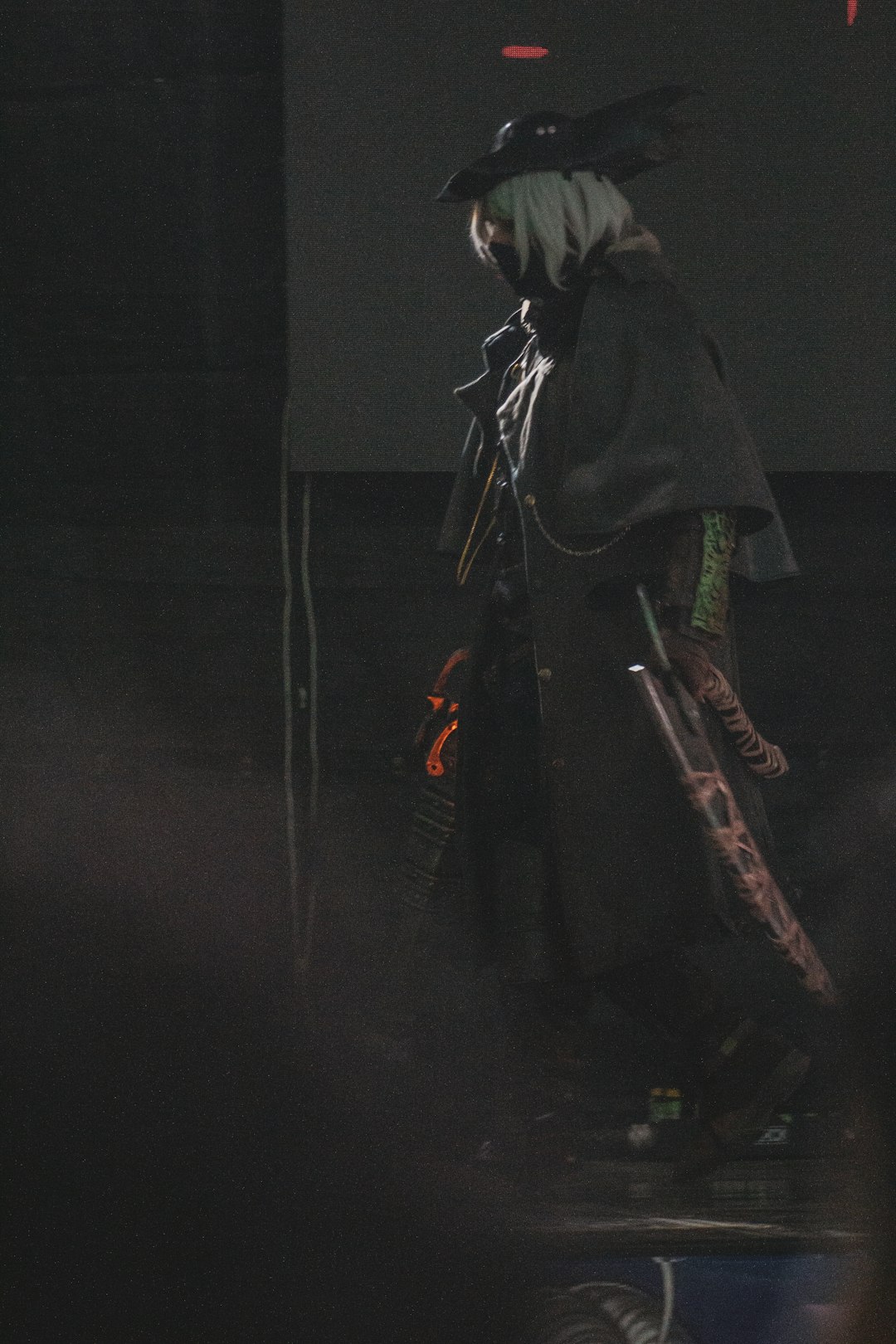
Writers and game designers can use the concept of a trouble hat to build personality quickly. A character with a trouble hat may be the prankster, rogue, trickster, hacker, pirate, detective, or accidental disaster magnet. The phrase instantly suggests movement and conflict, which are essential to storytelling.
A literal trouble hat can also appear as a magical object. In a fantasy story, it might cause bad luck, reveal hidden conflicts, or give its wearer the courage to break rules. In a video game, it could be an item that increases risk and reward. In a cartoon, it might be a hat that appears whenever a character is about to make a terrible decision.
Is “Trouble Hat” Positive or Negative?
The phrase is neither entirely positive nor entirely negative. Its meaning depends on context. When used affectionately, it can suggest charm, confidence, humor, or boldness. When used critically, it can suggest recklessness, immaturity, or conflict.
A positive trouble hat belongs to someone who shakes up stale routines, asks necessary questions, or adds playful energy. A negative trouble hat belongs to someone who creates problems without caring about consequences. Between those extremes, the phrase often lives in a gray area where mischief is entertaining as long as it remains harmless.
Similar Phrases and Related Ideas
Several expressions overlap with trouble hat, though none mean exactly the same thing:
- Thinking cap: A mindset for concentration and problem-solving.
- Black hat: A villainous, unethical, or malicious role, especially in hacking.
- Many hats: Multiple responsibilities or identities.
- Devil’s advocate: A person who argues against an idea to test it.
- Troublemaker: Someone who causes conflict or disruption.
- Agent of chaos: A person or character who brings unpredictability.
The difference is that trouble hat feels more temporary and playful than “troublemaker.” It implies that the person has entered a mode, not necessarily that the person is always difficult.
Why the Phrase Works
The appeal of trouble hat lies in its simplicity. It turns an abstract mood into a visible object. People can imagine the hat instantly, even if each person pictures a different style. One may imagine a crooked top hat, another may picture a baseball cap, and another may imagine a jester’s cap covered in bells.
The phrase also gives trouble a sense of performance. Instead of saying someone is being difficult, it suggests that the person has stepped into a character. This makes the expression useful for humor, commentary, and storytelling. It allows speakers and writers to describe tension without becoming too heavy.
FAQ
What does “trouble hat” mean?
“Trouble hat” means an imaginary or symbolic role connected with causing trouble, attracting trouble, or preparing to deal with trouble. It is usually informal and often humorous.
Is “trouble hat” a real idiom?
It is best described as an informal modern expression rather than a traditional idiom with a fixed dictionary meaning. Its meaning is usually understood through context.
Where did the phrase come from?
The exact origin is unclear. It likely developed from common English “hat” metaphors, such as thinking cap, wearing many hats, and role-based phrases like manager hat or creative hat.
Is wearing a trouble hat good or bad?
It can be either. In a playful context, it suggests harmless mischief or bold energy. In a serious context, it may suggest recklessness, conflict, or a readiness to confront problems.
Can the phrase be used at work?
Yes, but it should be used with care. It can describe someone taking on the role of risk spotter, critic, or problem solver. However, if aimed at a colleague too sharply, it may sound insulting.
How is “trouble hat” used in a sentence?
An example would be: “Once the team started questioning the risky plan, the trouble hat was officially on.” Another example is: “The cat had its trouble hat on when it climbed onto the kitchen counter.”
What is the difference between a trouble hat and a troublemaker?
A troublemaker sounds more permanent and negative. A trouble hat suggests a temporary role, mood, or mindset, often with a humorous tone.