






















Discovera sounds like a name for a spaceship. And in a way, it is. It helps people explore data, content, products, ideas, and opportunities in one smart place. It is built for discovery. That means less digging, less guessing, and fewer “Where did I put that?” moments.
TLDR: Discovera is a platform that helps users find, organize, understand, and act on information. It brings search, recommendations, insights, collaboration, and automation into one easy system. Teams can use it to save time, spot trends, and make better choices. It is simple enough for beginners, but useful for power users too.
What Is Discovera?
Discovera is a digital platform built around one big idea: make discovery easier. It helps users find what they need fast. That may be documents. It may be products. It may be customer data. It may be research. It may be hidden patterns inside a large system.
Think of Discovera like a friendly guide. You enter a question. It helps you explore the answer. You click around. It offers useful paths. You get results without feeling lost in a giant maze.
Many tools store information. Discovera goes a step further. It helps users understand that information. It takes piles of content and turns them into clear options, smart suggestions, and helpful insights.
The Main Goal
The main goal of Discovera is simple. It wants to reduce friction. Friction is anything that slows people down. Too many tabs. Too many clicks. Too many folders. Too many reports. Too much “I think Sarah has that file.”
Discovera brings things together. It gives users one place to search, browse, compare, and learn. This can help a small team. It can also help a large company with lots of data and many users.
In short, Discovera is about turning confusion into clarity.
Key Features of Discovera
Discovera usually includes features that support fast searching, smart filtering, and useful recommendations. Here are the big ones.
1. Smart Search
Search is the heart of Discovera. But this is not old-school search where one wrong word ruins everything. Discovera can help users find related items, similar content, and useful matches.
- Keyword search helps users find exact terms.
- Semantic search helps users find meaning, not just words.
- Filters help narrow results by date, type, topic, owner, or category.
- Sorting helps users see the newest, most relevant, or most popular items first.
This is great when the user does not know the perfect term. Discovera can still point them in the right direction. It is like a librarian with turbo shoes.
2. Personalized Recommendations
Discovera can suggest useful content based on user behavior, interests, roles, or recent searches. This makes the platform feel more personal.
For example, if someone keeps looking at sales reports, Discovera may recommend related market data. If another person views training content, it may suggest the next lesson. The platform learns from use. Then it helps users move faster.
This feature can make discovery feel less like work and more like a helpful nudge.
3. Organized Content Hubs
Discovera can group content into neat hubs or collections. This is useful for teams that deal with many files, pages, products, or data sources.
A content hub may include:
- Guides
- Reports
- Videos
- Product details
- Customer notes
- Research files
- Training materials
Instead of hunting through scattered places, users can visit one hub. Everything feels tidy. The chaos monster goes back to sleep.
4. Data Insights and Analytics
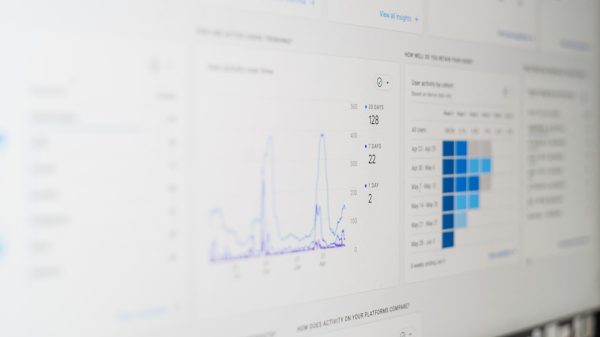
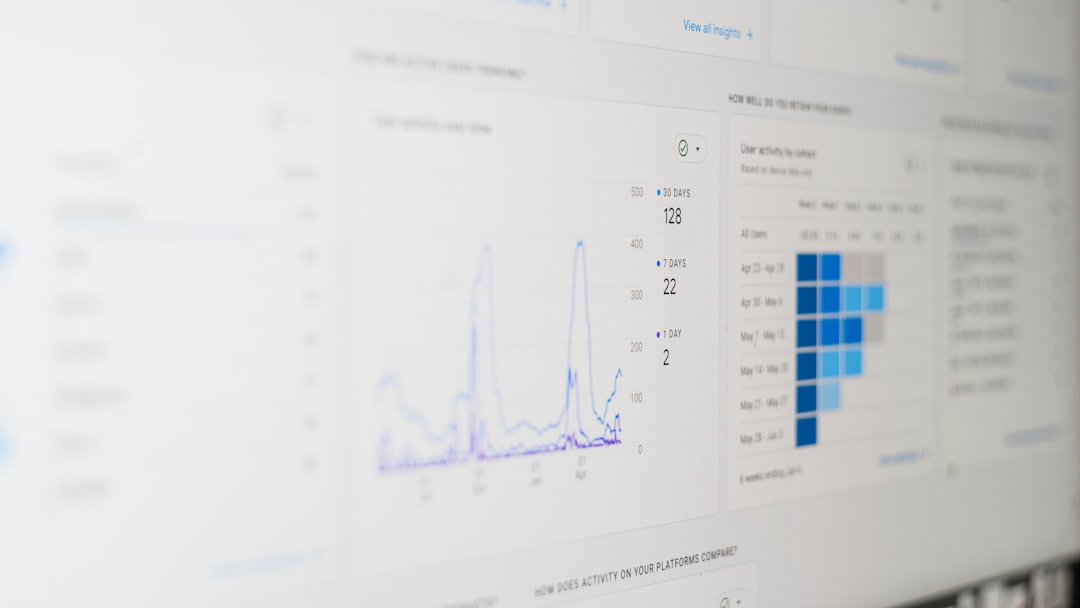
Discovera is not only about finding things. It can also show what is happening behind the scenes. Analytics help teams see trends, patterns, and user behavior.
Teams may learn which content gets used most. They may see what people search for often. They may spot missing information. They may notice rising topics before they become big issues.
This is valuable because data is not useful if nobody understands it. Discovera helps turn raw numbers into simple signals.
5. Collaboration Tools
Discovery is often a team sport. One person finds something. Another person adds context. A third person makes the final call. Discovera can support that flow.
Common collaboration features may include:
- Shared collections for saving useful items.
- Comments for quick feedback.
- Tags for simple organization.
- Notes for adding context.
- Permissions for safe access control.
This helps teams work together without sending endless messages. Fewer “Can you resend that?” emails. More actual progress.
6. Automation
Automation is where Discovera can feel almost magical. It can help with repeated tasks. It may tag content. It may route items to the right people. It may alert users when something important changes.
For example, a team may set up an alert for new competitor research. When new information appears, Discovera can notify the team. No one has to check manually every day. That saves time. It also reduces mistakes.
Automation is not about replacing people. It is about removing boring chores. Humans still make the smart choices. Discovera just clears the table first.
Services Discovera May Offer
A platform is only part of the story. Services matter too. Good services help users set up, learn, and grow with the platform.
Onboarding and Setup
Getting started should not feel like building a rocket in your garage. Discovera may offer onboarding support to help users import data, set roles, create categories, and connect tools.
A smooth setup helps the platform deliver value quickly. Users can start searching and discovering without a long wait.
Integration Support
Most teams already use other tools. Discovera may connect with content systems, databases, cloud storage, customer tools, or communication apps. This matters because information often lives in many places.
Integrations help Discovera become a central discovery layer. Users do not need to jump from tool to tool all day. The platform brings useful pieces together.
Training and Education
Even simple tools need good training. Discovera may provide guides, demos, help articles, or live sessions. These help users learn best practices.
Training can cover basic use, advanced search, dashboard creation, permissions, reports, and automation. The goal is confidence. Nobody wants to click a button and whisper, “Please do not break.”
Customization
Different teams have different needs. A retail team may care about products. A research team may care about papers. A sales team may care about customer insights.
Discovera can be more useful when it adapts. Custom fields, custom views, branded spaces, and custom workflows can make the platform feel like it belongs to the team.
Support and Maintenance
Good support keeps things running. Users may need help with access issues, search tuning, data updates, or integration questions. A strong support service can make a big difference.
Support is not glamorous. But it is important. It is the seatbelt of software.
Who Can Use Discovera?
Discovera can fit many types of users. It is useful anywhere people need to find and understand information.
- Marketing teams can find campaign assets, research, and performance reports.
- Sales teams can discover customer insights, case studies, and product facts.
- Product teams can track feedback, feature ideas, and market trends.
- Support teams can locate help articles, issue history, and solutions.
- Researchers can organize studies, notes, sources, and findings.
- Leaders can view dashboards and spot business patterns.
The platform is flexible. That is the fun part. It can act like a search engine, a knowledge base, an insight center, and a team workspace.

Platform Experience
A good discovery platform should feel clean. Discovera aims to make the experience simple. Users should be able to log in, search, scan results, and take action without reading a huge manual.
The layout often matters a lot. Helpful menus, clear cards, simple filters, and visual dashboards can make the platform less scary. Nobody wants a screen that looks like a robot spilled spaghetti.
A smart platform also helps different user levels. Beginners need simple paths. Experts need deeper controls. Discovera can support both by offering easy views and advanced tools.
Security and Permissions
Discovery is great. But not everything should be visible to everyone. Discovera should include security features that protect sensitive content.
Permissions help control who can view, edit, share, or manage information. This is important for private documents, customer data, internal plans, and financial details.
Security can include user roles, access logs, authentication, and data protection rules. In simple words, the right people see the right stuff. The wrong people do not.
Why Discovera Can Be Valuable
Discovera can create value in many ways. First, it saves time. Fast search means fewer wasted hours. Second, it improves decisions. Better information leads to better choices. Third, it helps teams share knowledge. That makes the whole group smarter.
It can also reduce duplicate work. If one team already created a report, another team can find it. No need to make the same thing twice. That is a win for productivity. It is also a win for sanity.
Discovera can reveal gaps too. If many users search for something and find nothing, the team knows what is missing. That is a powerful clue. It turns user behavior into a roadmap.
Things to Consider Before Using Discovera
Before choosing Discovera, teams should ask a few simple questions.
- What information do we need to organize?
- Who will use the platform?
- Which tools should it connect with?
- What security rules do we need?
- How will we measure success?
- Who will manage content quality?
These questions help teams start with a clear plan. A platform works best when people know what problem they want to solve.
Final Thoughts
Discovera is all about making information easier to find, use, and understand. It can help teams move from messy searching to smooth discovery. It combines smart search, recommendations, analytics, collaboration, and automation in one friendly space.
The best part is the feeling it can create. Less stress. More clarity. Fewer lost files. Better answers. Faster action.
If your team has too much information and not enough time, Discovera may be the guide you need. It helps turn the big messy jungle of data into a clear path. And that path can lead to better work, better ideas, and maybe even a few happy dances.