



















Decentralized finance has transformed how investors interact with digital assets, offering yield farming, staking, liquidity provision, lending, and more — all without traditional intermediaries. But as opportunities grow, so does complexity. Managing assets across multiple wallets, chains, and protocols can quickly become overwhelming. That’s where DeFi portfolio tools come in, helping investors track performance, manage risk, and uncover opportunities with clarity and precision.
TLDR: Managing crypto across multiple wallets and blockchains can be complicated without the right tools. DeFi portfolio trackers help investors monitor balances, evaluate performance, track yields, and manage risk in real time. Tools like Zapper, DeBank, Zerion, Nansen, CoinStats, and Kubera offer different strengths depending on your goals. Choosing the right one depends on your investment strategy, level of experience, and the chains you use most.
Below are six of the most effective DeFi portfolio tools for managing crypto investments, each offering unique features designed to simplify your decentralized finance journey.
1. Zapper
Zapper is one of the most user-friendly DeFi portfolio management platforms available today. It allows users to connect their wallets and instantly view their total net worth across multiple protocols and chains.
Why investors like it:
- Clean and intuitive dashboard
- Supports multiple chains like Ethereum, Polygon, and Arbitrum
- Tracks liquidity pool positions and yield farming rewards
- Easy entry and exit from DeFi positions
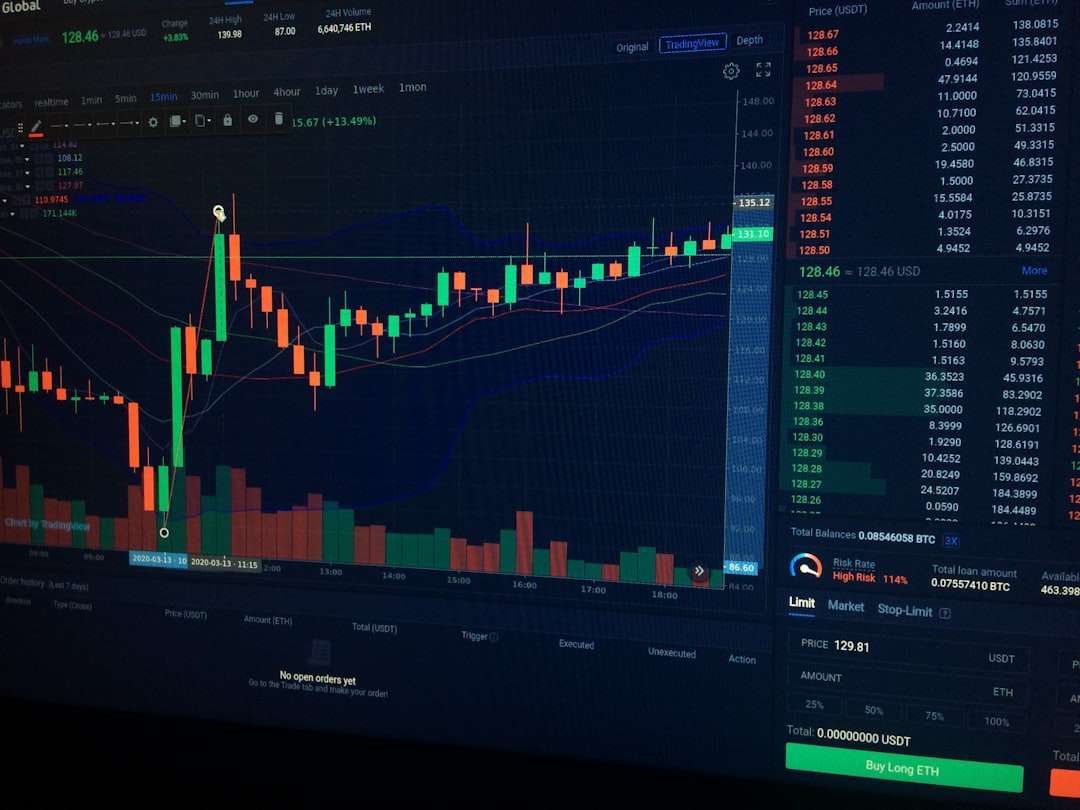
Zapper excels at simplifying complex DeFi investments. Instead of manually calculating your LP tokens, staking rewards, and lending positions, it aggregates everything into a clear visual overview. It also enables one-click deposits into various liquidity pools and yield farms, making it useful for active DeFi participants.
Best for: Investors who actively farm yield and want a streamlined dashboard with actionable tools.
2. DeBank
DeBank focuses heavily on analytics and wallet tracking. While it offers portfolio tracking features similar to Zapper, it stand outs with its deep data insights and social elements.
Notable features include:
- Real-time wallet tracking across numerous chains
- Detailed protocol breakdowns
- Gas fee tracking and transaction history
- DeFi-focused social networking layer
One of DeBank’s strongest advantages is transparency. You can view other public wallets, monitor whales, or track smart money movements. This makes it especially popular among investors who rely on data-driven strategies.
The dashboard clearly separates assets into categories like lending, staking, liquidity pools, and idle tokens. This segmentation helps users better assess their exposure and risk.
Best for: Analytical investors who want deeper insights and competitive intelligence within DeFi.
3. Zerion
Zerion combines sleek design with powerful multi-chain tracking capabilities. It allows users to monitor DeFi, NFTs, and transaction history in real time.
What makes Zerion appealing:
- Strong mobile app experience
- Cross-chain asset tracking
- NFT tracking integration
- Historical performance charts
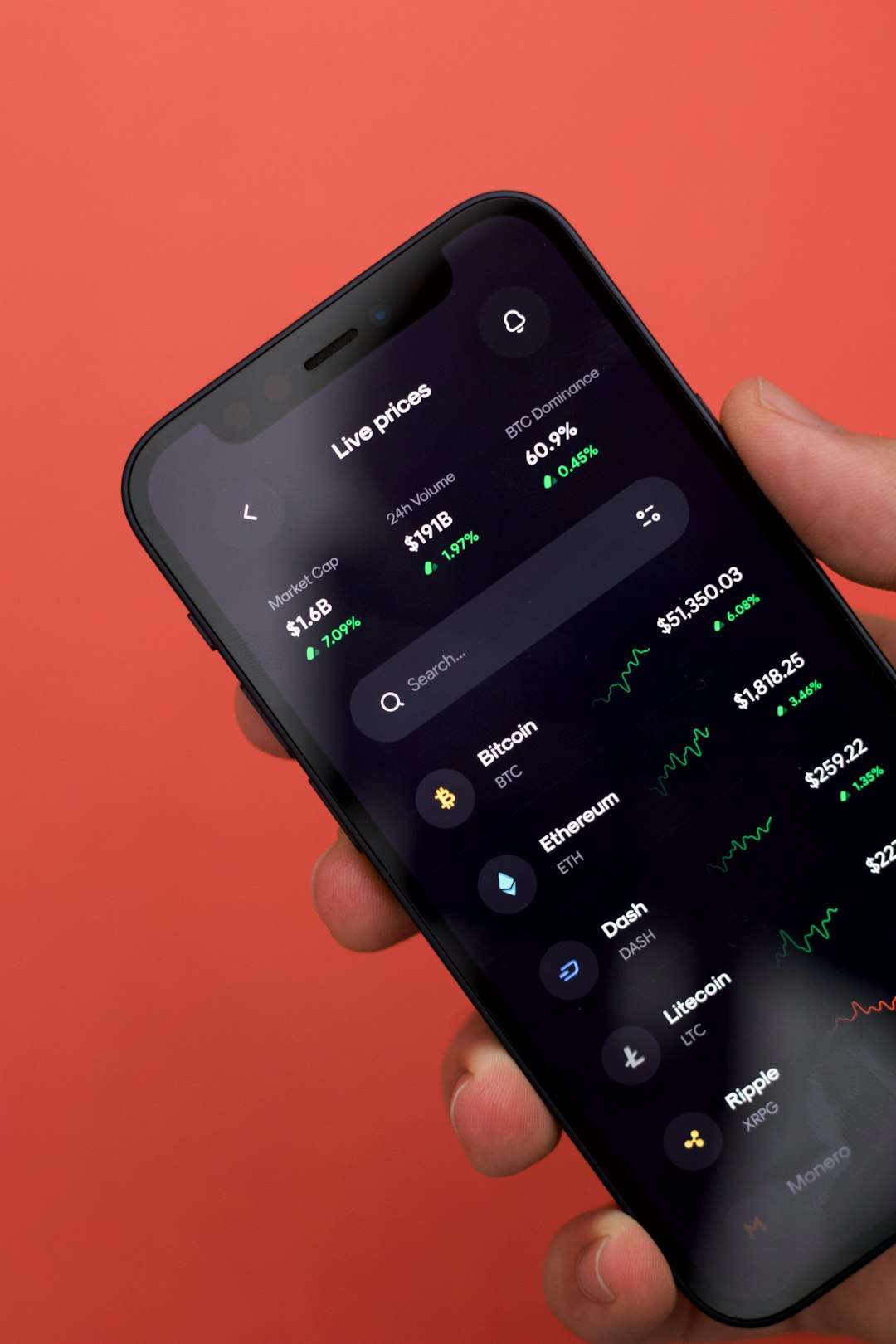
For investors who prefer managing assets on their phone, Zerion offers one of the best mobile experiences in DeFi. The app is smooth, responsive, and highly visual, helping users understand portfolio performance at a glance.
Zerion also allows direct token swaps within the app, making it more than just a tracker. It becomes an execution tool as well.
Best for: Mobile-first users who want both tracking and transaction capabilities in one interface.
4. Nansen
Nansen elevates portfolio tracking by combining blockchain analytics with wallet labeling and advanced intelligence tools. Unlike simpler dashboards, Nansen specializes in on-chain data interpretation.
Core strengths:
- Smart money tracking
- Labeled wallet databases
- Token flow analysis
- Advanced performance metrics
Nansen identifies and tags wallets belonging to funds, whales, institutions, and notable participants. This provides context behind transactions. If large holders are accumulating a specific token, Nansen makes it visible.
While it includes portfolio tracking, the platform’s main appeal lies in strategic intelligence. Many professional-level investors use it to anticipate market trends based on verifiable on-chain activity.
Best for: Advanced traders, analysts, and serious DeFi investors seeking strategic insights.
5. CoinStats
CoinStats bridges centralized and decentralized finance tracking, allowing users to monitor exchange balances alongside DeFi positions in one unified dashboard.
Key highlights:
- Syncs with major centralized exchanges
- Tracks DeFi wallets and protocols
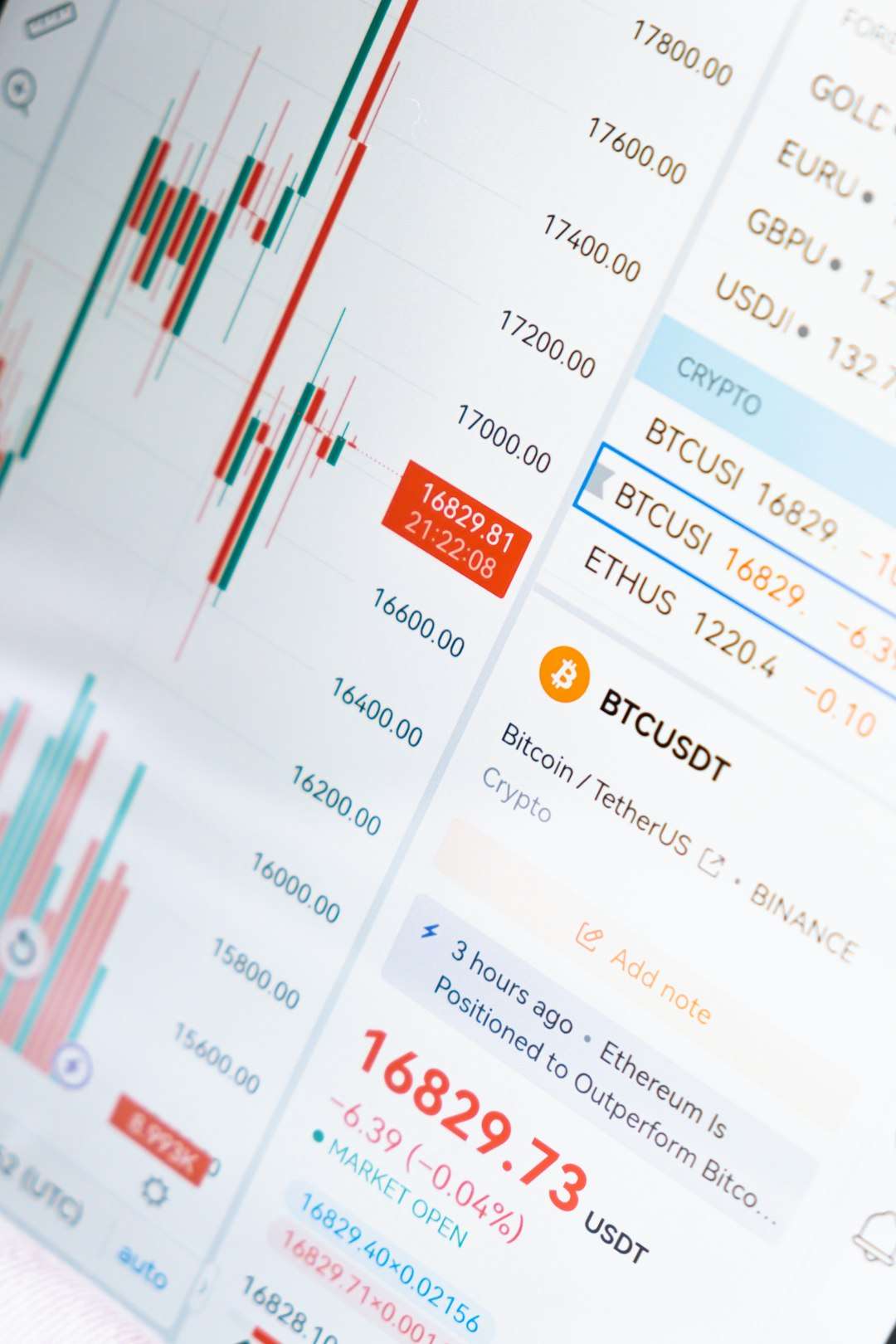
- Price alerts and market updates
- News aggregation features
Many investors diversify across centralized exchanges, hardware wallets, and DeFi platforms. CoinStats consolidates these data points into one place. Instead of checking five different platforms daily, users can monitor everything through a single interface.
It also supports profit-and-loss calculations, giving clear insight into performance over time.
Best for: Investors managing both centralized exchange accounts and DeFi wallets.
6. Kubera
Kubera positions itself as a modern net-worth tracker rather than strictly a DeFi dashboard. However, its crypto integration makes it a powerful option for investors seeking a broader financial overview.
What sets Kubera apart:
- Tracks crypto, stocks, real estate, and traditional assets
- Supports API integrations for automation
- Clean and minimalist interface
- Estate planning and beneficiary features
If you view crypto as part of a larger investment portfolio rather than a standalone strategy, Kubera offers holistic tracking. Many long-term investors appreciate being able to measure crypto exposure relative to stocks and other assets.
While it doesn’t offer in-depth yield farming analytics like Zapper or Zerion, it excels in big-picture financial organization.
Best for: Long-term investors who want an aggregated net-worth perspective that includes crypto.
What to Look for in a DeFi Portfolio Tool
Not all investors have the same needs. Before choosing a platform, consider the following factors:
- Blockchain support: Ensure it supports the chains you actively use.
- Protocol coverage: Check compatibility with your preferred DeFi apps.
- Security model: Most trackers use read-only wallet connections; verify privacy standards.
- Analytics depth: Decide whether you need simple net worth tracking or advanced wallet analysis.
- Cross-platform access: Desktop-only vs. mobile-friendly solutions.
Importantly, most DeFi portfolio tools are non-custodial. They do not hold your funds but instead read publicly available blockchain data after wallet connection approval. This reduces custodial risk while maintaining oversight.
The Growing Importance of Portfolio Visibility
As DeFi ecosystems expand across Ethereum Layer 2 networks, Solana, Avalanche, and other chains, fragmentation increases. An investor might stake ETH on one chain, farm yield on another, and hold NFTs somewhere else entirely.
Without a portfolio management tool, calculating total exposure becomes time-consuming and error-prone. Hidden risks — such as overexposure to one token across multiple pools — can go unnoticed.
Modern DeFi portfolio tools solve this by:
- Aggregating assets automatically
- Updating balances in real time
- Providing historical performance tracking
- Highlighting earning opportunities
This visibility leads to better decision-making and more disciplined investment management.
Final Thoughts
DeFi offers unparalleled financial flexibility, but managing decentralized investments without proper tools can quickly become chaotic. Whether you’re an active yield farmer, a data-driven strategist, or a long-term diversified investor, the right portfolio tracker transforms complexity into clarity.
Zapper and Zerion shine for hands-on DeFi users. DeBank and Nansen provide deeper analytical insights. CoinStats bridges centralized and decentralized platforms, while Kubera delivers a complete net-worth view.
Ultimately, the best tool is the one that aligns with your investment style and risk tolerance. As the DeFi landscape evolves, having a reliable portfolio management system is no longer optional — it’s essential for staying competitive, informed, and ahead of the curve.