




















Video content has become one of the most powerful ways to communicate online, but without proper captions, a significant portion of the audience is left behind. Businesses, educators, marketers, and content creators are increasingly recognizing the importance of making their videos accessible to everyone, including people who are deaf or hard of hearing, non-native speakers, and viewers watching without sound. Video captioning software plays a central role in making this possible, offering tools that simplify the creation, editing, and synchronization of captions.
TLDR: Video captioning software helps improve accessibility, engagement, and discoverability by adding accurate and synchronized text to video content. It supports viewers who are deaf or hard of hearing, non-native speakers, and people watching without sound. Modern tools use AI-powered speech recognition, editing features, and multi-language support to streamline the process. Investing in captioning software enhances inclusivity while boosting reach and compliance.
Accessibility is no longer optional. It is both a social responsibility and, in many regions, a legal requirement. Organizations across industries are turning to advanced captioning solutions to ensure their content meets accessibility standards while also improving overall user experience.
Why Video Accessibility Matters
Accessible video ensures that all viewers can understand and engage with content regardless of physical ability or situational limitations. For individuals who are deaf or hard of hearing, captions are essential for understanding dialogue and audio cues. However, the benefits extend beyond this primary group.
- Improved comprehension: Captions reinforce spoken words and improve retention.
- Global reach: Non-native speakers rely on captions to follow along.
- Silent viewing: Many users watch videos in public places without sound.
- Search engine optimization: Caption text increases keyword visibility.
By incorporating captions, creators ensure their message is not limited by external factors like noisy environments, language barriers, or hearing impairments. Accessibility becomes a strategic advantage rather than just a compliance checkbox.

How Video Captioning Software Works
Modern captioning software uses automatic speech recognition (ASR) powered by artificial intelligence to convert spoken dialogue into text. The system analyzes audio tracks, identifies words, and generates time-coded captions that align with the video timeline.
Most platforms allow users to:
- Upload video or audio files.
- Automatically generate captions.
- Edit and correct transcript errors.
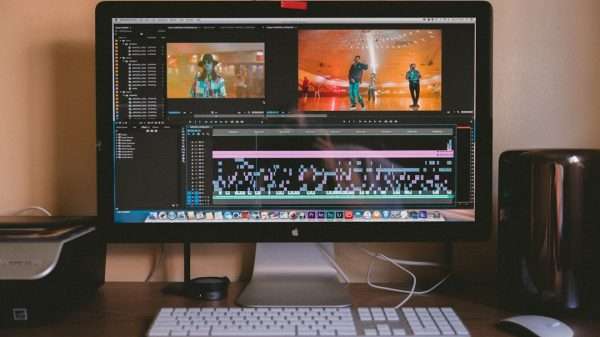
- Adjust timing and synchronization.
- Export captions in multiple formats such as SRT, VTT, or embedded text.
While AI-generated captions significantly reduce manual labor, human review remains critical for accuracy. Background noise, accents, and technical vocabulary can sometimes lead to transcription mistakes. High-quality captioning software makes the editing process intuitive and efficient.
Key Features That Improve Accessibility
Not all captioning tools are created equal. The most effective platforms include specialized features designed to enhance clarity and inclusivity.
1. High Accuracy Speech Recognition
Advanced AI models continuously learn from large data sets to improve word recognition. The more accurate the initial transcription, the less time creators spend correcting errors.
2. Speaker Identification
In interviews, webinars, or panel discussions, identifying who is speaking improves comprehension. Captioning tools that distinguish between speakers make dialogue easier to follow.
3. Multi-Language Support
Global audiences require multi-language capabilities. Many captioning platforms offer automatic translation features that allow users to generate subtitles in several languages.
4. Customizable Caption Styling
Accessibility also includes visual clarity. Good software offers options for:
- Font selection
- Text size adjustment
- Color contrast customization
- Background shading
- Caption positioning
These options ensure captions are readable for viewers with visual impairments or specific contrast needs.
5. Real-Time Captioning
For live events, webinars, and streaming, real-time captioning is essential. Some tools provide live transcription that updates captions instantly as the speaker talks.

Benefits Beyond Accessibility
Although accessibility is the primary goal, captioning software delivers additional advantages that positively impact performance metrics and audience growth.
Enhanced Engagement
Studies consistently show that videos with captions achieve higher watch times. Viewers are more likely to stay engaged when they can both hear and read the message.
Improved SEO Performance
Search engines cannot “watch” videos, but they can crawl text. Captions provide valuable metadata that helps search engines understand video content, increasing its discoverability.
Better Social Media Performance
On platforms where autoplay is muted by default, captions play a crucial role. Videos with text overlays are more likely to capture attention and convey key messages instantly.
Content Repurposing Opportunities
Transcripts generated by captioning software can be repurposed into:
- Blog posts
- Social media snippets
- Email newsletters
- Downloadable guides
This expands the value of a single video asset across multiple marketing channels.
Compliance and Legal Considerations
In many countries, accessibility laws require certain organizations to provide captions for digital video content. Educational institutions, government agencies, and public-facing businesses are often subject to regulations that mandate accessible communication.
Failure to comply can result in legal action, fines, or reputational damage. Captioning software simplifies compliance by enabling organizations to consistently produce accessible content. Some platforms even include compliance-checking features aligned with recognized standards.
Choosing the Right Video Captioning Software
Selecting the right tool depends on an organization’s specific needs. Several factors should be evaluated before committing to a solution.
- Accuracy rate: Look for platforms with proven transcription precision.
- Ease of use: Intuitive editing interfaces reduce learning curves.
- Integration capabilities: Compatibility with video hosting platforms streamlines workflow.
- Scalability: Ensure the system can handle growing content demands.
- Data security: Protect sensitive or proprietary audio content.
Trial periods and demo versions allow teams to test functionality before making long-term commitments.
Best Practices for Effective Captioning
Even with powerful software, quality depends on proper implementation. Following best practices ensures captions genuinely support viewers.
- Review automated transcripts carefully.
- Include non-speech elements such as music cues or sound effects when relevant.
- Maintain proper timing and synchronization.
- Use clear, simple language formatting.
- Keep captions concise and readable.
Accurate, well-timed captions create a seamless viewing experience rather than a distracting one.
The Future of Video Accessibility
Artificial intelligence continues to advance rapidly, making captioning tools more accurate and efficient. Emerging technologies are integrating voice recognition with contextual understanding, improving detection of accents, industry terminology, and emotional nuance.
Future developments may include:
- Automated sign language avatars
- Enhanced emotion detection in text
- Greater personalization options for caption display
- Expanded real-time multilingual translation
As digital communication grows increasingly global, accessibility will remain central to innovation. Video captioning software will continue evolving to meet diverse audience needs and regulatory standards.
Conclusion
Video captioning software is more than a convenience; it is a critical tool for inclusivity and engagement. By enabling accurate transcription, customizable formatting, and multilingual support, these platforms help organizations reach wider audiences while meeting accessibility standards. Whether used for marketing campaigns, educational materials, or corporate training, captioning strengthens communication and removes barriers to understanding.
The shift toward accessible video content reflects a broader commitment to equity and user-centered design. As technology improves, integrating captioning into every video production workflow will become not only standard practice but an expectation.
Frequently Asked Questions (FAQ)
1. What is video captioning software?
Video captioning software is a tool that converts spoken audio in a video into synchronized text. It often uses AI-powered speech recognition and allows users to edit and export captions in various formats.
2. Are automatic captions accurate enough?
Automatic captions are highly accurate with modern AI technology, but they may still require manual review and correction, especially for technical language, accents, or noisy audio.
3. What is the difference between captions and subtitles?
Captions include dialogue and relevant audio cues like sound effects, while subtitles typically translate spoken language without including background audio descriptions.
4. Do captions improve SEO?
Yes. Captions provide searchable text that helps search engines understand video content, improving visibility and ranking potential.
5. Is captioning required by law?
In many regions, certain organizations must provide accessible content under disability and accessibility laws. Requirements vary by country and industry.
6. Can captioning software handle multiple languages?
Many modern platforms offer multi-language support and automatic translation features, allowing videos to reach global audiences more effectively.