





















Entrepreneurship has always required vision, resilience, and speed. Today, it also demands technical execution. For years, building a digital product meant hiring developers, managing complex technical teams, and spending significant capital before testing a single idea. That barrier has dramatically lowered. No-code app builders now enable entrepreneurs to design, build, and launch functional products without writing a single line of code, fundamentally changing how startups are created.
TLDR: No-code app builders allow entrepreneurs to launch web and mobile applications without hiring developers. These platforms offer visual interfaces, drag-and-drop tools, and automation features that significantly reduce cost and time to market. Used strategically, they enable founders to validate ideas quickly, iterate efficiently, and scale thoughtfully. However, understanding their capabilities and limitations is critical for long-term success.
The rise of no-code platforms is not a passing trend. It represents a shift in how digital products are conceptualized and built. Increasing demand for rapid innovation, combined with a global shortage of developer talent, has pushed entrepreneurs to seek more accessible tools. No-code solutions meet this need with sophistication and growing reliability.
Why No-Code Matters for Modern Entrepreneurs
Traditional product development often requires significant capital investment before achieving market validation. Costs include:
- Developer salaries or agency fees
- Extended development timelines
- Ongoing maintenance expenses
- Technical project management
No-code app builders dramatically reduce these burdens. Entrepreneurs can build and deploy MVPs (Minimum Viable Products) independently, allowing them to test hypotheses before committing substantial resources.
This shift changes the entrepreneur’s risk profile. Instead of investing heavily upfront, founders can iterate rapidly and respond to market feedback in real time.

What No-Code App Builders Actually Offer
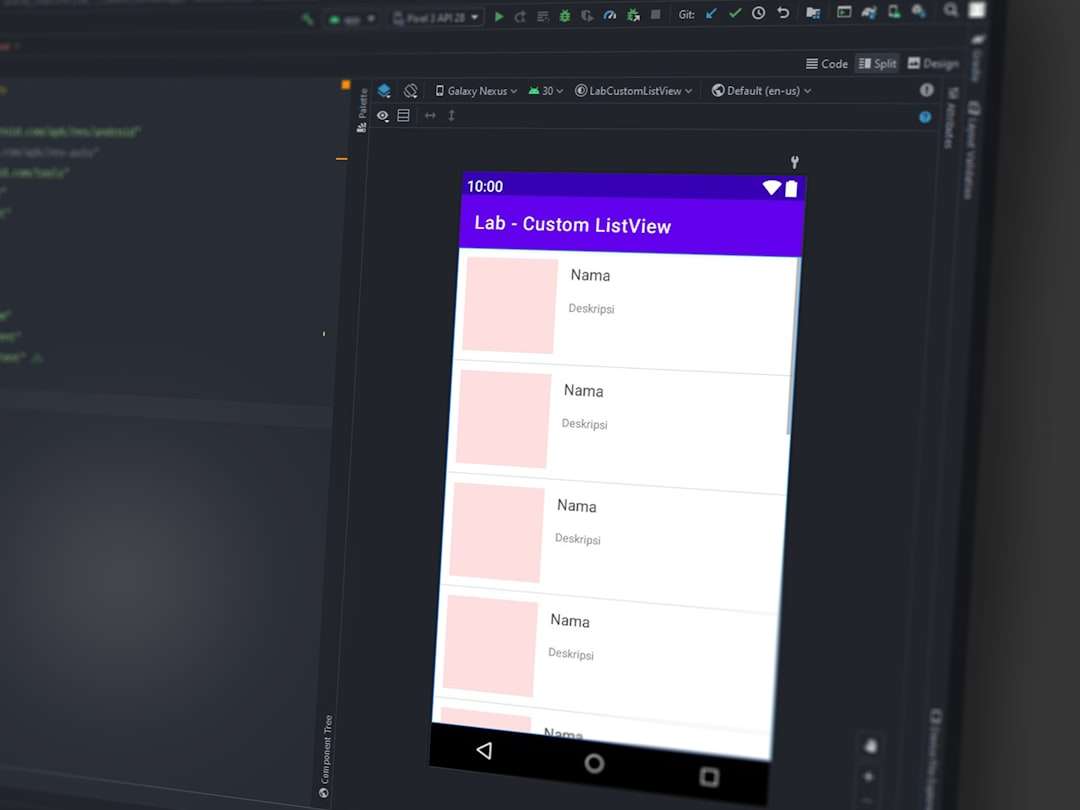
Modern no-code platforms are far more than simple website creators. They often provide comprehensive ecosystems for building complex applications. Core capabilities typically include:
- Visual Application Builders: Drag-and-drop interfaces for designing UI and workflows.
- Database Management: Structured data systems without manual coding.
- User Authentication: Secure login and registration functionality.
- Payment Integrations: Built-in tools for subscriptions, one-time payments, and billing.
- Workflow Automation: Conditional logic and process automation.
- API Integrations: Connections with external tools and services.
These features make it possible to build marketplaces, SaaS products, internal tools, directories, client portals, and even lightweight mobile applications without a development team.
Speed as a Strategic Advantage
Speed is not simply convenient—it is a competitive strategy. In fast-moving markets, being first or early can determine long-term viability.
With traditional development, timelines may stretch across months. With no-code tools, entrepreneurs can:
- Launch MVPs within days or weeks.
- Test pricing models quickly.
- Iterate based on real user behavior.
- Pivots without substantial financial loss.
This rapid cycle shortens the feedback loop between product and user. Instead of speculating about market demand, entrepreneurs gather concrete data and adjust accordingly.
Cost Efficiency Without Compromising Functionality
Budget constraints are one of the most significant barriers to entry for early-stage founders. Hiring even a small development team can cost tens of thousands of dollars before version one is completed.
No-code platforms typically operate on subscription models. While costs increase with advanced features, they remain substantially lower than full-scale development.
Importantly, cost efficiency does not necessarily mean limited functionality. Today’s no-code builders allow for conditional logic, advanced workflows, API integrations, and scalable databases. For many early-stage products, these capabilities are more than sufficient.
Common Use Cases for No-Code Products
Not every idea requires a custom-coded architecture. In fact, many successful businesses begin with relatively simple technical foundations.
Common no-code product categories include:
- Marketplaces: Connecting buyers and sellers with profile management and payment processing.
- Subscription Platforms: Offering gated content, newsletters, or SaaS access.
- Internal Tools: Dashboards and workflow management systems for teams.
- Directories and Listings: Curated databases of services, professionals, or properties.
- Event Management Platforms: Registration, ticketing, and attendee coordination.
Entrepreneurs should focus first on solving a clear problem. The complexity of the solution can grow as demand becomes validated.
Limitations and Considerations
While powerful, no-code platforms are not universally suitable for every product.
Potential limitations include:
- Performance Constraints: Highly complex or high-traffic applications may exceed platform capacity.
- Customization Limits: Deeply specialized functionality may be difficult to implement.
- Platform Dependency: Businesses rely on the stability and policies of the no-code provider.
- Scalability Trade-offs: Some products eventually require migration to custom architecture.
Entrepreneurs must evaluate the long-term roadmap of their idea. If the end goal requires advanced algorithmic processing, extensive real-time data handling, or highly custom features, no-code may serve as a stepping stone rather than a permanent solution.
No-Code as a Validation Tool
One of the most powerful uses of no-code development is validation. Founders often overestimate demand before market testing. By launching quickly and affordably, they can answer essential questions:
- Will customers pay for this solution?
- Which features are genuinely important?
- What does real user behavior reveal?
- Is the value proposition clear?
Data gathered during this phase informs whether to scale, pivot, or discontinue. This disciplined approach reduces emotional decision-making and replaces it with evidence-based iteration.

Empowering Non-Technical Founders
No-code tools are particularly transformative for non-technical entrepreneurs. Previously, visionary founders without engineering backgrounds often needed to recruit technical co-founders early, sometimes diluting ownership before proving traction.
Now, founders can:
- Maintain greater equity in early stages.
- Communicate product concepts more clearly with working prototypes.
- Demonstrate traction to investors before raising capital.
- Build operational literacy around their own platforms.
This empowerment strengthens negotiation power and enhances strategic decision-making later in the company’s growth.
Integration with Automation and AI
No-code platforms have evolved beyond static builders. Many now integrate seamlessly with automation systems and artificial intelligence services.
Entrepreneurs can implement:
- Automated email sequences
- Behavior-based workflows
- AI-driven chat assistants
- Dynamic content personalization
This capability allows small teams to operate with sophistication traditionally reserved for larger organizations. Operational efficiency increases while staffing demands remain relatively low.
When to Transition to Custom Development
Growth introduces new complexities. Some industries require enhanced security compliance or deeper technical optimization. Indicators that it may be time to transition include:
- Consistent performance bottlenecks.
- Limitations preventing feature expansion.
- High user volume straining platform capacity.
- Regulatory requirements demanding custom infrastructure.
Importantly, starting with no-code does not prevent eventual migration. In many cases, validation achieved through no-code strengthens investor confidence, making future development funding more accessible.
Best Practices for Using No-Code Effectively
To maximize success, entrepreneurs should approach no-code strategically rather than impulsively.
- Define the core problem first. Avoid adding unnecessary features.
- Prioritize MVP simplicity. Build only what is required for validation.
- Monitor analytics closely. Let user data shape iterations.
- Plan for scalability early. Understand platform limits.
- Document workflows. This simplifies potential migration later.
A disciplined methodology ensures that no-code remains a competitive advantage rather than a technical constraint.
The Broader Economic Impact
The democratization of development tools expands entrepreneurial participation. Individuals previously excluded by technical or financial barriers can now compete in digital markets.
This accessibility fosters innovation across industries, including:
- Healthcare coordination tools
- Education platforms
- Community-driven marketplaces
- Specialized B2B services
As more founders experiment and launch, market diversity increases. The result is faster problem-solving and broader economic participation.
Conclusion
No-code app builders are not a replacement for traditional software engineering in every context. However, they represent a powerful shift in how products are brought to market. For entrepreneurs seeking speed, cost efficiency, and independent validation, they offer unprecedented opportunity.
Used thoughtfully, no-code platforms transform ideas into tangible products without demanding deep technical expertise. They allow founders to focus on strategy, customer experience, and market fit rather than infrastructure. In a competitive landscape where speed and adaptability determine survival, that advantage is substantial.
The most successful entrepreneurs will not ask whether no-code replaces development. They will ask how to integrate it thoughtfully into their innovation process—leveraging its strengths, managing its limitations, and using it as a strategic stepping stone toward sustainable growth.