













Modern life has made sleep both more important and more difficult to protect. Between late-night screen time, stress, inconsistent schedules, and environmental distractions, many people struggle to get consistent, restorative rest. Sleep tracking apps have emerged as structured, data-driven tools designed to help individuals understand their patterns and build healthier night routines. When used correctly, these apps can transform vague impressions about “sleeping badly” into clear, actionable insights.
TLDR: Sleep tracking apps monitor patterns such as sleep duration, cycles, and disturbances to help you improve your night routine. The most reliable apps combine passive tracking with actionable recommendations and consistent habit-building tools. Features like smart alarms, sleep staging, and behavioral insights can make a measurable difference when used consistently. The key is choosing an app that aligns with your goals and using its data to guide sustainable changes.
Sleep tracking technology typically relies on movement detection (via accelerometer), heart rate monitoring, sound analysis, or wearable integrations. While consumer apps cannot replace clinical sleep studies, many have reached a level of sophistication that makes them genuinely useful for everyday improvement. Understanding what these tools can and cannot do is essential to setting realistic expectations.
What Sleep Tracking Apps Actually Measure
Most sleep tracking apps collect and interpret several core metrics. While accuracy varies depending on whether you use a smartphone alone or pair it with a wearable device, the core measurements usually include:
- Total Sleep Time – The number of hours you were asleep.
- Sleep Stages – Light, deep, and REM sleep estimates.
- Sleep Onset Latency – How long it takes you to fall asleep.
- Wake After Sleep Onset – How often and how long you wake during the night.
- Sleep Consistency – Variability in bedtime and wake time.
- Heart Rate and Heart Rate Variability (with wearables).
These data points are translated into simplified dashboards and scores. The most credible apps avoid overpromising precision and instead focus on trends over time rather than single-night evaluations.
Image not found in postmetaKey Features That Improve Your Night Routine
Not all sleep tracking apps are created equal. Some merely record time in bed, while others provide comprehensive feedback systems. The following features tend to have the biggest impact on improving nightly habits:
1. Smart Alarms
Smart alarms wake you during lighter sleep phases within a chosen time window. Rather than jolting you out of deep sleep, the app identifies an optimal waking moment, which may reduce morning grogginess.
2. Behavioral Insights
Advanced apps analyze correlations between your habits and sleep outcomes. For example:
- Caffeine intake after 3 PM linked to longer sleep onset.
- Late screen exposure linked to reduced deep sleep.
- Irregular bedtimes associated with fragmented sleep.
These insights bridge the gap between data collection and behavior change, making them particularly valuable.
3. Sleep Coaching and Recommendations
Some applications provide structured guidance, including:
- Personalized bedtime suggestions
- Wind-down reminders
- Sleep hygiene education
- Relaxation or meditation audio sessions
4. Sound Analysis
Snoring detection and nighttime noise tracking can reveal environmental problems or potential respiratory disturbances that warrant medical consultation.
5. Long-Term Trend Reporting
Consistency is more important than perfection. Apps that generate weekly and monthly reports help users monitor improvement over time rather than reacting emotionally to one poor night.
Top Sleep Tracking Apps to Consider
Below are several widely used sleep tracking applications known for reliable performance and practical features.
Image not found in postmeta1. Sleep Cycle
Best for smart alarms and simplicity.
- Smart alarm technology
- Snore detection
- Long-term trend analysis
- Works with or without wearable devices
Sleep Cycle is known for its intuitive interface and focus on wake-up timing optimization. It is particularly suitable for users who want straightforward tracking without extensive wearable integration.
2. AutoSleep (for Apple Watch users)
Best for detailed Apple Watch integration.
- Automatic tracking without manual activation
- Heart rate and sleep stage estimates
- Readiness and recovery metrics
- Highly detailed data visualization
AutoSleep is particularly valuable for users who already wear an Apple Watch consistently and want deeper physiological data.
3. SleepScore
Best for non-wearable tracking.
- Contactless sonar-based monitoring
- Science-backed sleep scoring
- Personalized recommendations
- Detailed sleep stage breakdown
SleepScore stands out for users who prefer not to wear devices at night but still want relatively advanced insights.
4. Pillow
Best for integrated sleep coaching.
- Audio recording
- Smart alarm
- Mood tracking integration
- Apple ecosystem compatibility
Pillow combines tracking with wellness integration, making it suitable for individuals managing stress or mood fluctuations.
5. Oura App (paired with Oura Ring)
Best for advanced biometrics.
- High-resolution heart rate variability tracking
- Temperature monitoring
- Readiness score
- Comprehensive recovery analysis
Though it requires dedicated hardware, Oura delivers some of the most in-depth consumer-level insights into physiological recovery and sleep quality.
Comparison Chart
| App | Wearable Required | Smart Alarm | Sleep Stages | Coaching Features | Best For |
|---|---|---|---|---|---|
| Sleep Cycle | No | Yes | Estimated | Basic | Gentle wake-up optimization |
| AutoSleep | Apple Watch | Yes | Estimated with HR data | Moderate | Apple Watch users |
| SleepScore | No | No | Estimated via sonar | Strong | Non-wearable tracking |
| Pillow | Optional | Yes | Estimated | Moderate | Stress-aware sleepers |
| Oura | Oura Ring | No | Advanced biometric modeling | Strong | Recovery-focused users |
How to Use Sleep Data Effectively
Tracking alone does not improve sleep. Behavioral adjustment does. To make a meaningful difference, follow these structured steps:
- Track Consistently for Two Weeks
Avoid changing habits initially. Establish a reliable baseline. - Identify Patterns, Not Isolated Nights
Look for recurring issues like late bedtimes, frequent awakenings, or low deep sleep percentages. - Implement One Change at a Time
Adjust caffeine timing, device use, room temperature, or wind-down routines incrementally. - Monitor Impact
Track the effect of each change for at least one week before introducing another variable.
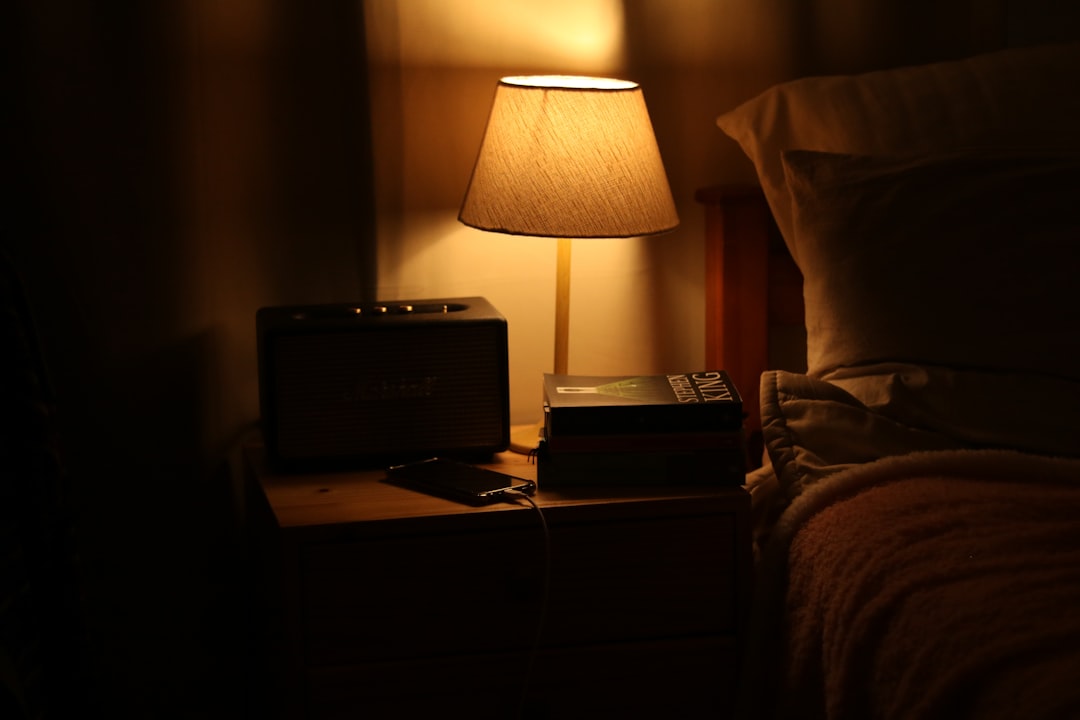
Common Pitfalls to Avoid
Sleep tracking can sometimes create unintended stress, a phenomenon known as orthosomnia—an unhealthy obsession with perfect sleep metrics. To avoid this:
- Do not fixate on nightly sleep scores.
- Remember that algorithms provide estimates, not diagnoses.
- Consult medical professionals for persistent insomnia or suspected disorders.
- Use data as guidance, not judgment.
Additionally, smartphone-only tracking can be less accurate if the device is placed inconsistently. If you move excessively during sleep or share a bed, wearable integration often improves data reliability.
Who Benefits Most from Sleep Tracking Apps?
Sleep tracking tools are particularly useful for:
- Shift workers adjusting irregular schedules
- Individuals managing stress-related sleep issues
- Fitness enthusiasts optimizing recovery
- Professionals seeking improved cognitive performance
- Anyone building a structured bedtime habit
However, individuals with chronic insomnia, sleep apnea, or persistent daytime fatigue should seek clinical evaluation rather than relying solely on apps.
Building a Sustainable Night Routine
The most reliable improvement strategies remain simple and evidence-based:
- Maintain consistent sleep and wake times.
- Limit caffeine 6–8 hours before bed.
- Reduce blue light exposure in the evening.
- Keep the bedroom cool and dark.
- Establish a calming pre-sleep ritual.
Sleep tracking apps act as accountability tools that reinforce these habits. They provide measurable feedback that makes improvements visible, which increases motivation and consistency.
Final Thoughts
Sleep is foundational to physical health, cognitive clarity, emotional regulation, and long-term well-being. While no consumer app replaces professional sleep diagnostics, well-designed sleep tracking tools offer valuable insight into patterns that are otherwise difficult to detect. When combined with disciplined habit changes and realistic expectations, these applications can significantly enhance your night routine.
The most important principle is consistent, thoughtful use. Rather than chasing perfect sleep scores, focus on gradual improvements in stability, duration, and how rested you feel during the day. Used responsibly, sleep tracking apps can serve not as gadgets, but as structured guides toward better, more restorative rest.