



















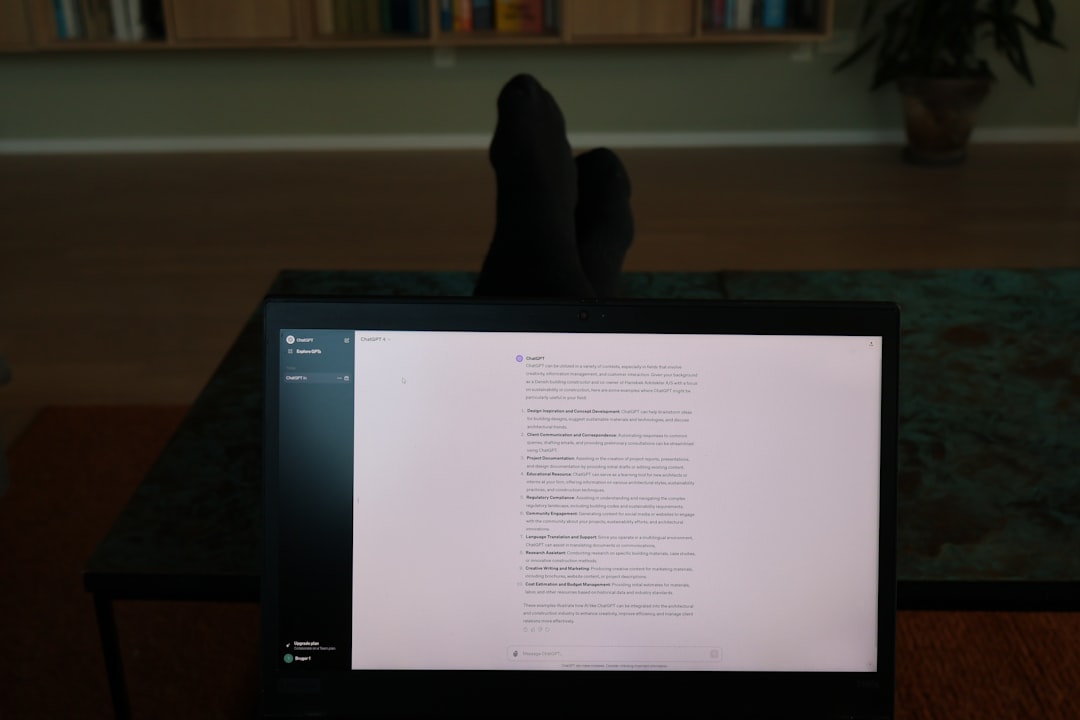
In 2026, AI is no longer just a futuristic concept — it’s an everyday assistant woven into our workflows. And when it comes to writing emails, ChatGPT has evolved into a powerful co-writer, grammar checker, and tone specialist. But while AI tools have made creating emails faster and more efficient, they also come with unique challenges you should be aware of. Whether you’re writing a quick reply to a colleague or crafting a sales email for a client, using ChatGPT effectively can mean the difference between hitting send with confidence or backspacing in regret.
TLDR 📨
In 2026, using ChatGPT to write emails can streamline communication, enhance clarity, and save valuable time. To leverage its power effectively, users should show it clear prompts, personalize the generated content, and stay critical about what gets sent. While ChatGPT is great at structure and grammar, it may fall short in nuance, tone, or empathy. Use it as a collaborator, not a replacement for your voice.
Why ChatGPT is the Email Sidekick You Never Knew You Needed
Emails are still the backbone of business communication — from job inquiries to project updates and everything in between. In 2026, ChatGPT has become incredibly proficient at drafting messages with clarity and intention. Thanks to advances in large language models, these emails are not only grammatically flawless but also tone-appropriate and neatly structured.
Here’s how ChatGPT supports email writing today:
- Speed: Generate drafts in seconds after prompting with subject and intent.
- Clarity: ChatGPT excels at structuring thoughts and maintaining flow.
- Customization: It can shift tone — formal, casual, persuasive, empathetic — based on command.
- Language Support: Translate or compose emails in dozens of languages.
Best Practices: Get the Most Out of ChatGPT for Email Writing
While it’s tempting to hand over the heavy lifting to your AI companion, there are several best practices to keep the quality high and authenticity intact:
1. Feed It Context — Don’t Make It Guess
ChatGPT thrives on detail. The more precise your prompt, the better the output. Instead of saying “Write an email about a meeting,” try something like: “Write a professional email to my project manager summarizing our Tuesday meeting on marketing KPIs and outlining the next steps for the campaign.”
Tip: Add bullet points of what you want included. This keeps the AI aligned with your goals.
2. Choose the Tone Carefully
One of ChatGPT’s superpowers is adjusting tone — but only if you guide it. Whether you want to sound enthusiastic, empathetic, persuasive, or authoritative, make sure to specify this in your prompt.
Example prompt: “Write an encouraging email to my team celebrating the completion of Phase 1 of our product development. Tone should be upbeat and appreciative.”
3. Edit the Output Thoughtfully
Even though the AI does the bulk of the writing, it’s still essential to review and tweak the copy. AI-generated content might be technically flawless but can fall flat on nuance or culture-specific language. Run it through a “human lens” before sending.
Why? Because what sounds neutral to AI may come across as robotic or tone-deaf to a human reader.
4. Use Templates with a Personalized Twist
ChatGPT can help you build evergreen email templates — interview requests, cold outreach, sales follow-ups — but remember to insert specific details for your recipient. Personalization builds trust and demonstrates care.
Example upgrade: Instead of “I hope you’re doing well,” try “I enjoyed your recent article on remote workplace culture — it really resonated with my team’s experience.”
5. Watch for Overused Phrases
Since AI models train on large datasets, they often default to common expressions like “I hope this message finds you well” or “I wanted to reach out and ask…”. Frequent repetition can dilute impact or feel impersonal.
Solution: Use your final read-through to replace these generalities with fresh, specific language.
Pitfalls to Avoid: Where Things Can Go Awry with AI Email Writing
Despite all the enhancements ChatGPT brings to the table, there are traps you should be aware of — especially when your words carry weight, like in a customer complaint response or a resignation letter.
1. Too Much Automation Feels…Well, Automated
If you copy and paste AI output without any human flavor, your emails might start feeling like they were written by exactly what they were — a machine. A lack of personalization or genuine voice can raise red flags with your audience.
Fix: Always inject personal insights, sign-offs, or phrasing unique to you.
2. Inaccuracies or Hallucinations
ChatGPT seems smart, but it’s still not omniscient. It can fabricate details, misquote people, or create artificial references — all while sounding convincing.
Example: It might assume your meeting was on Zoom when it was on Teams, or mention a “Q3 report” that doesn’t exist.
Recommendation: Always fact-check AI-generated emails before sending.
3. Privacy and Security Concerns
In 2026, AI platforms are highly secure, but feeding sensitive or confidential data into a public AI model can still pose risks. Be wary of including client names, financial figures, or proprietary information when discussing with ChatGPT.
Consider: Using private, encrypted Pro versions offered by workplace integrations or building internal AI tools instead.
4. Over-Reliance Can Harm Your Writing Skills
While ChatGPT supports productivity, leaning on it too heavily can lead to a gradual erosion of your own communication skills. Crafting ideas into language is a muscle — and AI shouldn’t become a crutch.
Tip: Use it as a first draft or structure helper, but edit and shape your emails manually.
Bonus Tips: Use Commands and Shortcuts to Improve Workflow in 2026
In 2026, ChatGPT and similar LLMs are often embedded directly into email clients — think Gmail, Outlook, Slack, and Notion Mail. To maximize efficiency, learn these habits:
- Use keyboard shortcuts to activate ChatGPT drafts.
- Preload contextual data from CRM tools to make emails smarter and more relevant.
- Set filters to determine when the AI writes fully vs. when it just suggests edits.
These integrations let you do everything from auto-generating follow-ups based on email threads to identifying the optimal time to send the message based on previous engagement stats.
The Takeaway
The evolution of email writing with ChatGPT in 2026 is nothing short of revolutionary — but only if used wisely. It’s a tool, not a replacement for your authentic communication style. By understanding its strengths (tone, structure, clarity) and keeping an eye on its limitations (nuance, accuracy, overuse of boilerplate content), you can create emails that are sharp, human, and impactful.
Whether it’s your first day exploring AI-enhanced tools or you’re already sending a dozen emails a day with ChatGPT’s help, remember this: the best emails still come from a collaboration between human intent and machine precision.