


















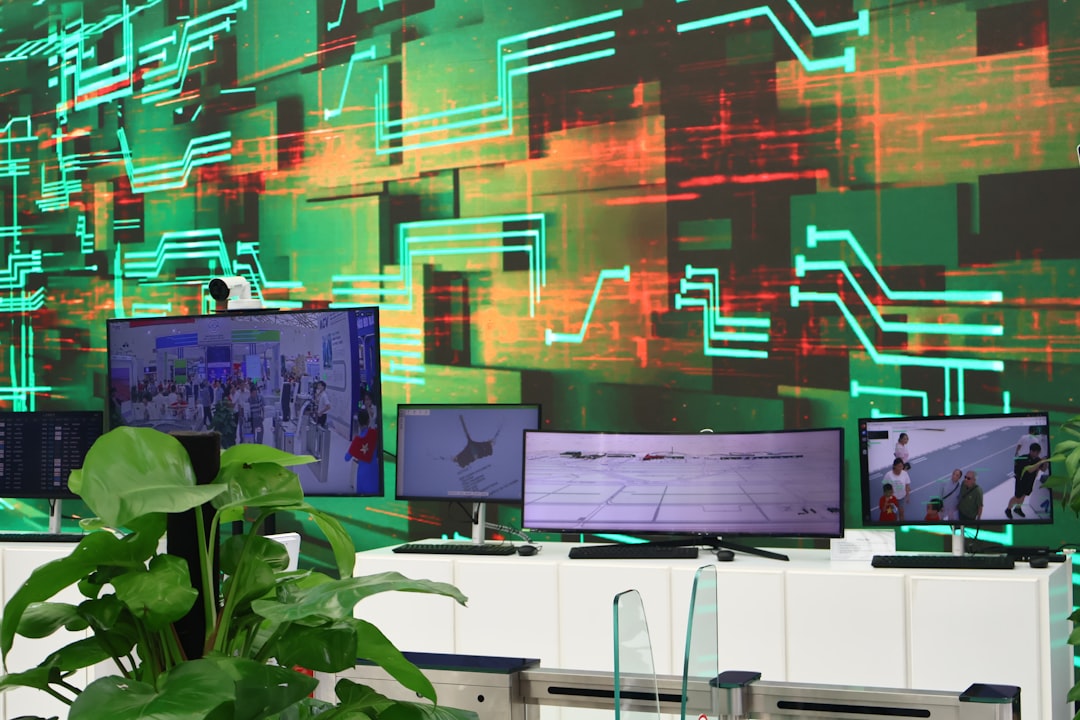
Urban environments are evolving rapidly in response to technological innovations, climate change, demographic shifts, and economic uncertainties. Urban planners, developers, policymakers, and residents are now focusing on creating cities that are more livable, sustainable, inclusive, and resilient. As we look toward the future, 2026 promises to bring significant shifts in how cities are planned and built.
TLDR
Urban planning in 2026 will lean heavily on smart technologies, green infrastructure, and inclusive design. Cities will integrate AI for traffic and resource management while emphasizing renewable energy and climate resilience. Mixed-use developments and 15-minute cities will become increasingly popular. Residents should expect more walkable, equitable, and digitally connected neighborhoods.
The Rise of the Smart City 2.0
The idea of a “smart city” is not new, but the technology powering these cities is getting a major upgrade. By 2026, smart city design will move beyond basic digital tools and embrace systems powered by artificial intelligence (AI), Internet of Things (IoT), and machine learning algorithms. These systems aim to make critical services—like traffic flow, electricity grids, and public safety—more responsive and predictive.
Data from sensors will allow for real-time urban management. For example, traffic signals can adapt on the fly to congestion, emergency vehicles can optimize route timing, and energy can be dynamically rerouted to areas of highest demand.
Emphasis on Green and Blue Infrastructure
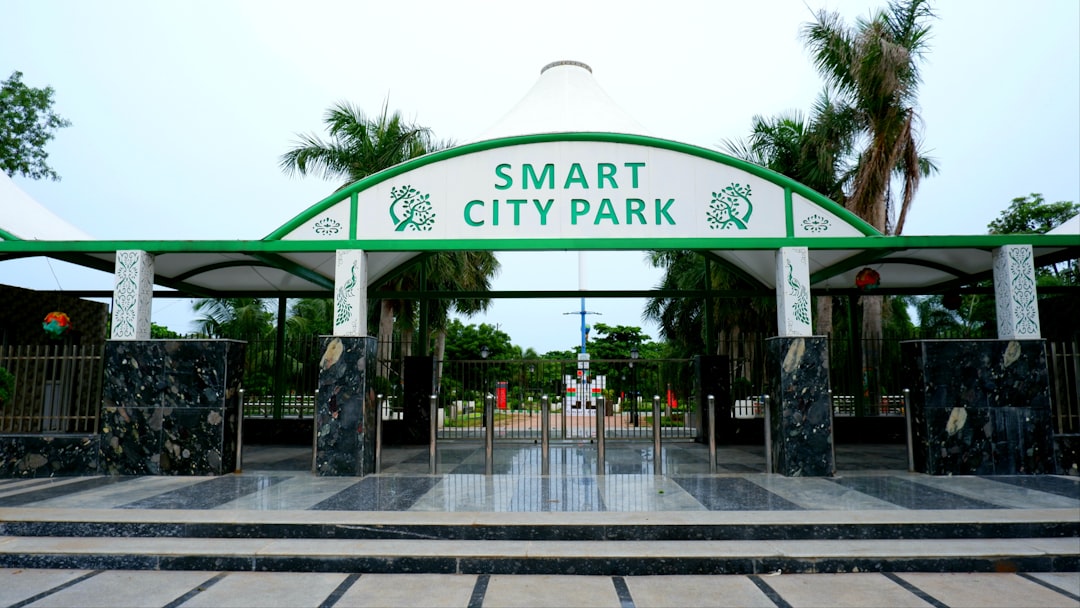
Climate resilience will no longer be optional. With record-breaking heatwaves, flooding, and pollution, cities in 2026 will prioritize green infrastructure—such as urban forests, rooftop gardens, and permeable pavements—and blue infrastructure that includes rivers, lakes, and sustainable drainage systems. These not only mitigate climate risks but also boost mental health, air quality, and biodiversity within urban settings.
Many cities will build upon successful pilot programs, creating expansive networks of greenery and water bodies to absorb heat and manage stormwater. Expect to see more investment in “sponge cities,” which use vegetation and porous surfaces to manage water naturally rather than relying solely on concrete drainage.
15-Minute Cities and Mixed-Use Development
The concept of the 15-minute city—where everything residents need is within a 15-minute walk or bike ride—will continue gaining traction. By 2026, urban layouts will favor mixed-use developments that combine residential, commercial, educational, and recreational spaces within compact areas.
This urban design promotes walkability, reduces reliance on cars, and fosters stronger communities. It’s especially appealing as more people work remotely and look to live in neighborhoods that support a balanced, self-sufficient lifestyle.
Affordable Housing and Inclusive Design
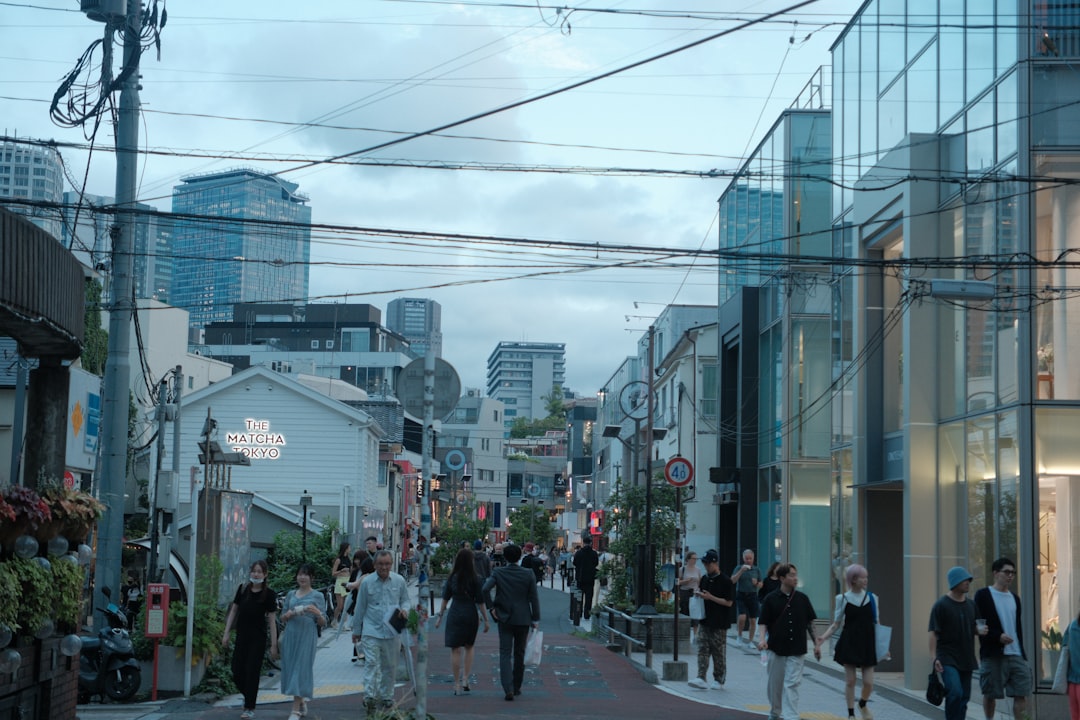
Housing equity remains a critical concern for urban planners. In 2026, cities will intensify their focus on building affordable housing that’s not only budget-friendly but also equitably distributed. Urban planning will prioritise a more inclusive design—where public spaces, transportation, and housing structures consider accessibility for the elderly, differently-abled, and economically disadvantaged individuals.
Inclusion also means opening up the planning process to residents through participatory tools and platforms. Digital forums, augmented reality (AR) planning apps, and community-led design workshops will be mainstream tools for local governments to engage citizens.
Transit-Oriented Development (TOD)
With an increasing shift toward sustainability, Transit-Oriented Development will become a dominant planning strategy. By positioning housing, jobs, and services around high-capacity public transit nodes, TOD not only reduces carbon emissions but also battles urban sprawl.
Public investment will favor infrastructure that integrates electric buses, light rail, and bike-sharing stations. Even car parks are being reconceptualized—turned into multipurpose community spaces or hubs for electric vehicle (EV) charging.
Advanced Zoning and Flexible Urban Codes
Anticipate a move toward dynamic zoning and more flexible urban codes. Static zoning practices are giving way to adaptive ones that reflect today’s fluid urban conditions. These new regulations support community gardens, pop-up markets, and remote workspaces, which are crucial to urban vitality in a post-pandemic world.
Rather than one-size-fits-all districts, zoning can now morph based on usage data, foot traffic patterns, and environmental metrics—allowing spaces to evolve naturally with the community.
Urban Planning Meets Public Health
The intersection between urban planning and public health will be central in 2026. City layouts will increasingly be tested not just for environmental impacts but for their contributions to well-being. That includes prioritizing walkability, noise reduction, clean air corridors, and access to green spaces.
With the recent memory of pandemics, planners are also designing for better airflow in buildings, wider sidewalks, and modular spaces that can transform during health emergencies.
AI-Driven Community Engagement
Community engagement is no longer handouts and town halls. With mass digital adoption, urban planners will use AI-supported platforms to gather community feedback, simulate development impacts, and create digital twins of proposed projects. This makes urban policy more transparent and inclusive while accelerating approvals and development timelines.
Open data portals and urban dashboards will let residents track changes, submit ideas, and hold city developers accountable—all from a mobile device.
Key Takeaways for 2026
- Smart infrastructure shifts into high gear with real-time urban management via AI and IoT.
- Green and blue spaces are embedded into city planning for climate resilience and public health.
- 15-minute cities promote walkability and reduce dependence on vehicles.
- Affordable housing and inclusive design are non-negotiables in equitable planning.
- Public transit hubs become centers of integrated development.
- Zoning laws adapt to accommodate flexible, multi-use spaces and changing lifestyles.
FAQ – Frequently Asked Questions About Urban Planning Trends
Q: What is a smart city 2.0?
A: Smart City 2.0 refers to urban areas that use advanced technologies such as AI, machine learning, and IoT devices to manage infrastructure and services intelligently. It goes beyond simple automation to deliver predictive, integrated, and anticipatory urban services.
Q: Are 15-minute cities realistic for larger metropolises?
A: Yes, even large cities can achieve decentralized zones where people can live, work, and access resources locally. While the whole city may not be a 15-minute zone, strategies can be deployed district by district.
Q: How will urban planning address climate change by 2026?
A: Cities will rely on green and blue infrastructure to manage heat and water smartly, increase biodiversity, and create sustainable living environments. This includes more tree coverage, wetlands, reflective surfaces, and climate-responsive buildings.
Q: What is flexible zoning, and how does it work?
A: Flexible zoning allows land use categories to adapt over time based on real-time needs and data. For example, a retail zone might temporarily host pop-up housing or co-working spaces based on local demand without requiring lengthy rezoning processes.
Q: Will technology make city planning less human-centered?
A: On the contrary, technology enables better human-centered design by collecting real-time data from residents, modeling city responses, and creating more transparent public engagement. It helps make decisions that are aligned with the needs of the population.
As 2026 approaches, a human-first mindset backed by technological advancement is poised to make urban planning more vibrant, inclusive, and effective. City developers and residents alike must stay informed and engaged to co-create the urban futures they wish to inhabit.