
























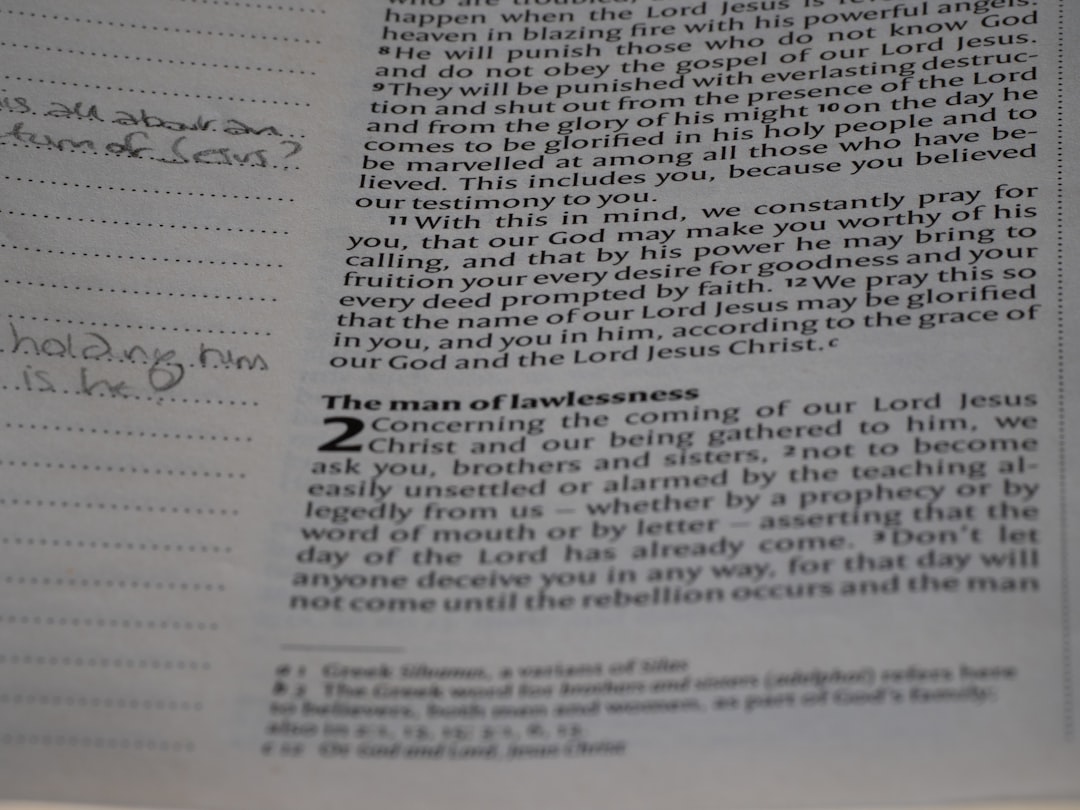
When writing academic papers, essays, or professional reports, citing references accurately and clearly is a critical part of maintaining integrity and transparency. One common point of confusion concerns the choice between using footnotes or endnotes. Both serve the same core purpose: to provide additional information or cite sources without disrupting the flow of the main text. However, they differ in placement, aesthetic impact, and stylistic preference across disciplines. So, which one should you use?
TLDR: Footnotes vs. Endnotes
Footnotes are best for quick, on-the-spot clarification or citation, making them reader-friendly and ideal for academic or scholarly texts. Endnotes, on the other hand, offer a cleaner page design and are suitable for extensive commentary or professional publications. The choice largely depends on context, audience, and formatting requirements. Always consult your style guide first—what works for MLA may not suit Chicago or APA.
Understanding Footnotes
Footnotes appear at the bottom of the same page as the referenced text. They’re commonly used in academic writing, particularly within the humanities. In footnotes, the information appears immediately where cited, which helps readers access supplemental information without having to flip through or scroll to the end of a document. This makes footnotes particularly valuable for:
- Referencing specific sources in legal or historical documents
- Inserting brief clarifications or definitions that would otherwise break the narrative flow
- Increasing reader engagement by keeping all content in one visible space
However, footnotes come with limitations. A dense page of footnotes may clutter the visual presentation and distract readers. Still, in fields like history or theology, they are often preferred for precision and accessibility.
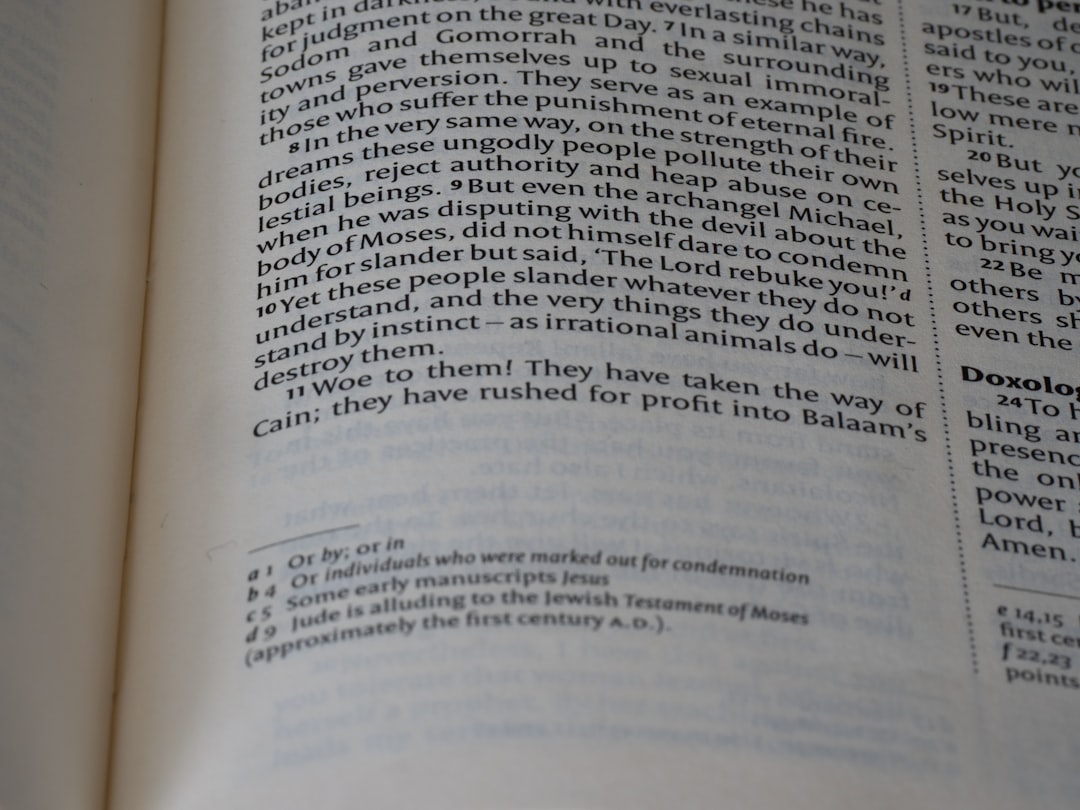
Understanding Endnotes
Endnotes are collected at the end of a chapter or document, maintaining the clean look of each page. They are favored in fields like literature or business where aesthetic clarity is important, and the size or frequency of notes can become overwhelming. Endnotes serve best when:
- You want a more professional and streamlined layout
- Your notes aren’t essential to direct comprehension of the main text
- You’re writing a manuscript or lengthy report with extensive citations
This method also caters well to online formats where scrolling down to the end isn’t too cumbersome. However, for printed materials, it can disrupt the user’s reading experience and make it harder to find cited information in real-time.
When to Choose Footnotes
Writers and editors should choose footnotes when context demands instant access to citation without breaking the narrative rhythm. Typical use cases for footnotes include:
- Historical scholarship, where citation depth and source transparency are crucial
- Legal writing, where precision and immediate reference are mandated
- Reader-first perspectives, such as when targeting academic peers or readers likely to examine your sources closely
Here’s an example scenario: An author is writing a historical analysis and includes direct quotes from lesser-known primary sources. Footnotes allow readers to immediately validate these citations and continue reading without losing momentum.
When to Choose Endnotes
If you’re looking to preserve a clean reading experience or include expansive commentary, endnotes are the better option. They shine in contexts such as:
- Books or reports where extensive footnotes would appear too intrusive
- Creative nonfiction or literature where readability is prioritized over source immediacy
- Professional whitepapers with heavy referencing that’s not essential to comprehend the main body of content
Endnotes are particularly preferred in formal publications or when the main audience is general readers without strong academic backgrounds. Writers can tuck away the clutter without compromising on detail availability.

Style Guide Preferences
The appropriate use of footnotes or endnotes can often depend on the style guide being followed. Here are the requirements of a few major style guides:
- APA (American Psychological Association): Rarely uses footnotes or endnotes; prefers in-text citation.
- MLA (Modern Language Association): Uses brief in-text citations with a “Works Cited” page, though footnotes are allowed for additional commentary.
- Chicago Manual of Style: Offers two main systems; the Notes and Bibliography system heavily uses footnotes or endnotes, depending on author’s discretion.
Always refer to the specified style guide before choosing a format for citation. In many academic institutions, the decision may also be guided by departmental standards or faculty expectations.
Design and Layout Considerations
From a graphic design standpoint, footnotes and endnotes each have distinct impacts on layout and reader engagement. Footnotes can make a page look busy but also interactive, keeping the reader engaged with both the primary text and supplementary material. Endnotes maintain clean layouts and are more scalable for longer writing projects but at the potential cost of reader convenience.
Here are a few design-focused pros and cons:
| Aspect | Footnotes | Endnotes |
|---|---|---|
| Visual Clarity | May clutter the page | Clean and minimal |
| User Experience | Immediate access to sources | Requires navigation to end |
| Best for | Short, informative notes | Detailed or extensive commentary |
Digital vs. Print Contexts
With more research and writing occurring in digital formats, the decision between footnote and endnote increasingly depends on platform design and reader behavior. Hyperlinked endnotes or pop-up footnotes provide dynamic ways to view supplementary content without breaking flow, especially on digital publications or academic websites.
In contrast, printed works still favor footnotes for shorter or regularly cited material due to their immediacy and ease of reference.
Conclusion
The debate between footnotes and endnotes isn’t about which is universally better—it’s about recognizing the strengths of each and applying them to the appropriate context. Whether it’s for academic rigor, narrative clarity, or reader convenience, your citation method should align with your writing goals and audience expectations.
FAQ: Footnotes vs. Endnotes
- Q: Are footnotes or endnotes better for academic writing?
A: Most academic fields, like history or theology, prefer footnotes for their immediacy. However, disciplines reliant on stylistic clarity may opt for endnotes. Always check your institution’s or publisher’s requirements. - Q: Can I use both footnotes and endnotes in one document?
A: Generally, it’s best to use one system for consistency. Some authors use footnotes for essential information and endnotes for supplemental discussions, but this should be done with careful planning and clear formatting. - Q: Do footnotes or endnotes appear in the table of contents?
A: Neither typically appear in the table of contents. However, endnotes may begin a separate section outlined after the final chapter, depending on the formatting style. - Q: Are footnotes outdated in digital writing?
A: Not at all. Digital formatting has evolved to support smarter footnotes, such as hovering annotations or clickable reference toggles, making them just as viable as endnotes. - Q: How do I choose footnotes or endnotes for a book?
A: Consider your audience first. General readers may appreciate endnotes to avoid page clutter, while academic readers may prefer footnotes for clear, immediate sourcing.