






















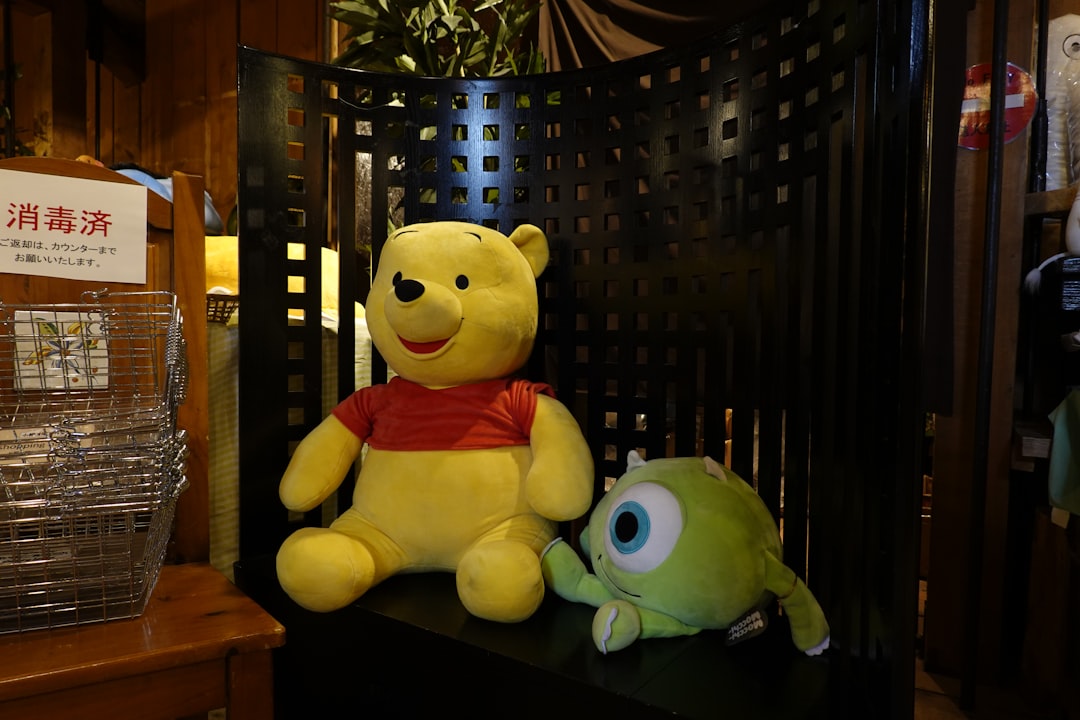
In the world of modern business, the discussion often revolves around key performance indicators, strategic decision-making, and innovation. But hidden within the pages of a beloved children’s classic—Winnie the Pooh—are timeless lessons in emotional intelligence, compassion, and soft skills that resonate far beyond the Hundred Acre Wood. Pooh and his friends, through their innocent and heartfelt quotes, offer subtle yet impactful lessons for strengthening relationships, managing teams, and fostering workplace well-being.
TL;DR:
Winnie the Pooh love quotes demonstrate emotional intelligence and soft skills that are vital in business today. These quotes highlight the value of empathy, active listening, kindness, and genuine connection—skills often overlooked in corporate environments. Leaders and professionals can learn from Pooh’s simplicity and emotional insight to build better teams and healthier work cultures. Drawing wisdom from such an unlikely source can bring warmth and humanity to the world of business.
The Power of Soft Skills in Business
Soft skills—such as empathy, communication, emotional intelligence, and teamwork—are increasingly recognized as essential for career and organizational success. While technical expertise (hard skills) still plays a vital role, it is the people skills that allow for productive collaboration, innovation, and resilience.
Enter Winnie the Pooh, a bear with “very little brain” but a heart full of wisdom. Through his simple, endearing language, Pooh demonstrates how emotional awareness and kindness can be powerful tools in both personal and professional life.
Love Quotes That Teach Business Lessons
Pooh’s love quotes are not just sweet—they’re deeply instructive. Here’s how a few of his most iconic sayings can be translated into business wisdom:
-
“You don’t spell love, you feel it.”
In business, actions often speak louder than words. Building trust with clients, employees, or partners depends on sincerity and authenticity—qualities that people feel, not just hear in rehearsed pitches or policy statements. -
“How lucky I am to have something that makes saying goodbye so hard.”
A healthy company culture creates deep bonds among employees and leaders. Cultivating appreciation and gratitude for team members enhances retention and workplace loyalty. -
“Sometimes the smallest things take up the most room in your heart.”
A handwritten thank-you note, a moment of recognition, or a coffee break conversation can have a profound impact. It’s often the little human touches in business relationships that create lasting impressions.
Empathy: Pooh’s Greatest Superpower
Empathy—the ability to understand and share the feelings of another—is foundational to emotional intelligence. In business, empathy allows leaders to:
- Connect more deeply with employees and understand their challenges.
- Provide better customer service by seeing the experience through the customer’s eyes.
- Navigate conflict with a constructive and human-centered approach.
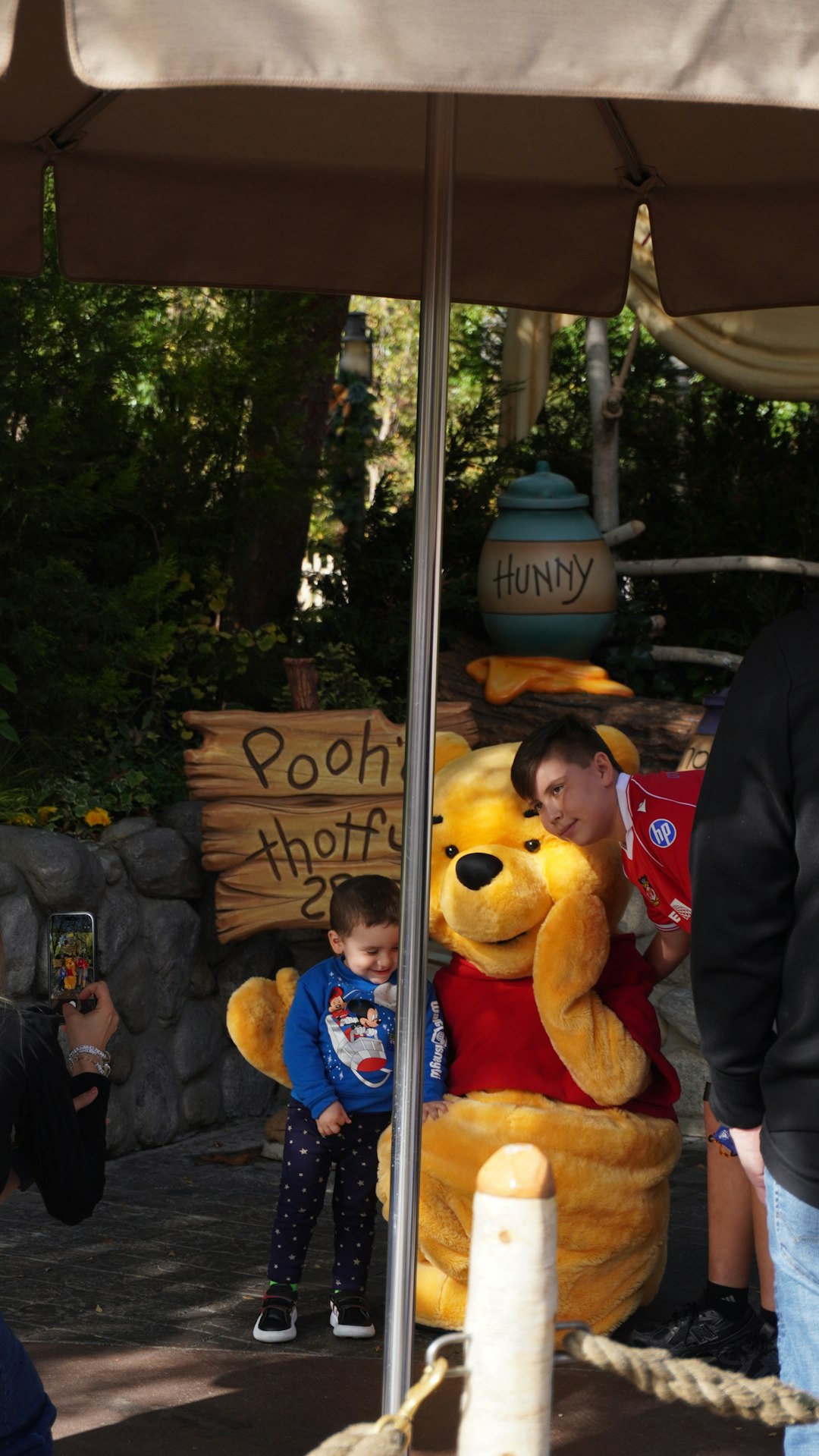
Winnie the Pooh consistently shows empathy to his friends. When Eeyore feels gloomy, Pooh listens without rushing to cheer him up. This behavior models active listening—a valuable skill in managerial settings. Instead of quick fixes or dismissing concerns, being present and supportive builds psychological safety in teams.
In a busy office or during high-stress projects, pausing to emotionally connect with colleagues fosters both motivation and trust. Deep listening and validating emotions can turn an anxious conversation into a breakthrough moment.
Managing Through Uncertainty the Pooh Way
In business, the path isn’t always clear. New markets, complex decisions, or workplace changes can lead to uncertainty. Pooh offers a comforting perspective:
“Rivers know this: there is no hurry. We shall get there some day.”
This gentle reminder is effective in leadership. Impatience and pressure may push teams to the brink, but with trust and consistent effort, progress will come. Effective leaders understand that urgency must be balanced with peace of mind.
Pooh’s resilience, despite his simplicity, teaches that progress isn’t always linear. Patience is not about slowing down—it’s about allowing growth to happen in its natural time.
Teamwork and Inclusion
Pooh’s group of friends, from Piglet to Tigger to Rabbit, are a study in diverse personalities working together. They each bring unique strengths and challenges, yet they support one another implicitly.
- Piglet’s courage, despite his fearfulness, reminds us of the shy team member who has brilliant ideas if given a voice.
- Tigger’s energy may clash at times, but he brings innovation and drive to the table.
- Rabbit’s precision and plans are essential—even if they need softening from Pooh’s spontaneity.
By appreciating diversity in teams and embracing every member for who they are, businesses can encourage collaboration and innovation. Pooh’s world doesn’t require everyone to be the same—it thrives because everyone is different.
Image not found in postmetaPooh’s Humility: The Soft Skill of Self-Awareness
What makes Pooh truly effective, even in his playful simplicity, is his self-awareness. He often admits when he doesn’t have the answers, as in:
“I’m not lost for I know where I am. But however, where I am may be lost.”
In business, this humility is refreshing. Leaders who show vulnerability and seek input foster collaboration and open communication. Soft skills like self-awareness and humility can drive performance better than rigid adherence to ego and overconfidence.
Love, Loyalty—and Leadership
Perhaps the most touching example of leadership coming from love is this quote:
“If there ever comes a day when we can’t be together, keep me in your heart, I’ll stay there forever.”
Loyalty doesn’t come from salaries or perks—it grows from a culture of mutual respect and care. Leaders who show genuine love for their team can inspire strong loyalty and ethical dedication that lasts beyond their tenure.
Applying Pooh’s Lessons in the Workplace
Here are a few practical ways to live out Pooh’s love quotes and enhance soft skills in your business environment:
- Practice active listening during meetings and reviews—make people feel heard.
- Foster gratitude and connection—celebrate small wins and personal milestones.
- Support team mental health—check in emotionally, not just professionally.
- Encourage diverse voices within your team—every Piglet and Tigger matters.
- Lead with humility—admit what you don’t know and invite feedback.
Conclusion: A Honey-Coated Philosophy
While at first glance, quoting a stuffed bear in a boardroom might seem whimsical, the truths found in Pooh’s love quotes reflect the very heart of 21st-century leadership. In a time when societal and workplace expectations are changing, and remote work blurs the lines between professional and personal, leading with love, empathy, and soft skills has never been more valuable.
Good business isn’t just about profit; it’s about people. And as Pooh wisely once said:
“A day without a friend is like a pot without a single drop of honey left inside.”
Maybe it’s time we all added a little more honey to our business strategy.