























We’ve all heard the buzzwords: Artificial Intelligence and Machine Learning. They sound like sci-fi terms, right? But they’re everywhere—in your phone, your car, even your fridge! So what’s the difference between the two? Let’s break it down in a fun and easy way.
TL;DR – Too Long, Didn’t Read
Artificial Intelligence (AI) is the big idea of making machines smart. Machine Learning (ML) is a part of AI that lets machines learn from data. AI is the umbrella, ML is one of the tools under it. If AI is the superhero, ML is one of its coolest powers.
What is Artificial Intelligence?
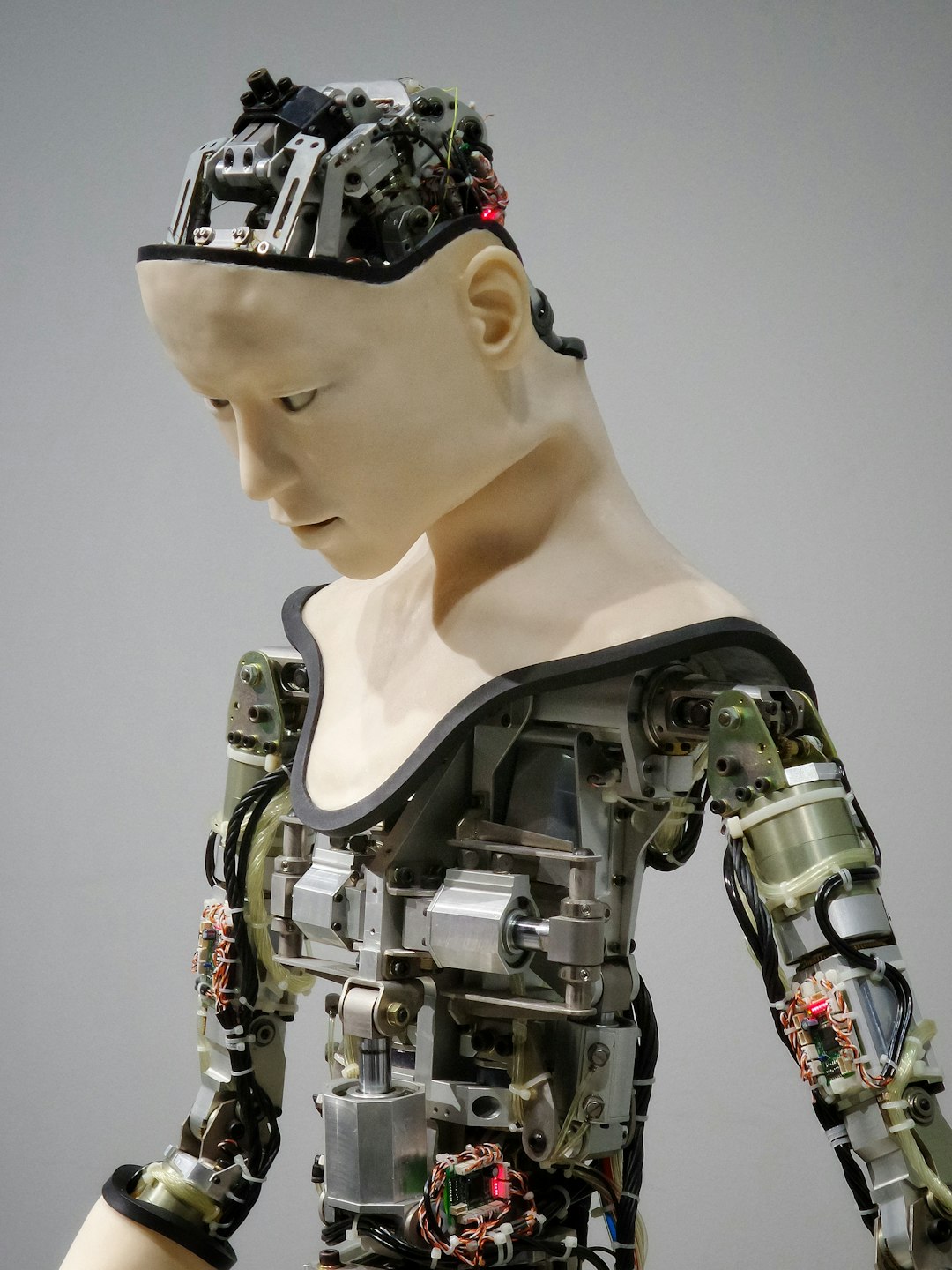
Let’s imagine AI as the brainy robot in a movie who knows everything and can do anything. AI is all about creating machines that think and act like humans—or even better!
AI is about:
- Solving problems
- Understanding speech
- Mimicking human behavior
- Making decisions
So when your phone talks back to you, or your maps app reroutes you in traffic, that’s AI in action.
AI doesn’t always need to learn from data. Sometimes, it just follows rules that programmers give it. That means it can be smart without having to go to “data school.”
What is Machine Learning?
Now let’s zoom in on Machine Learning. ML is a subset of AI. That means it’s part of the AI family.
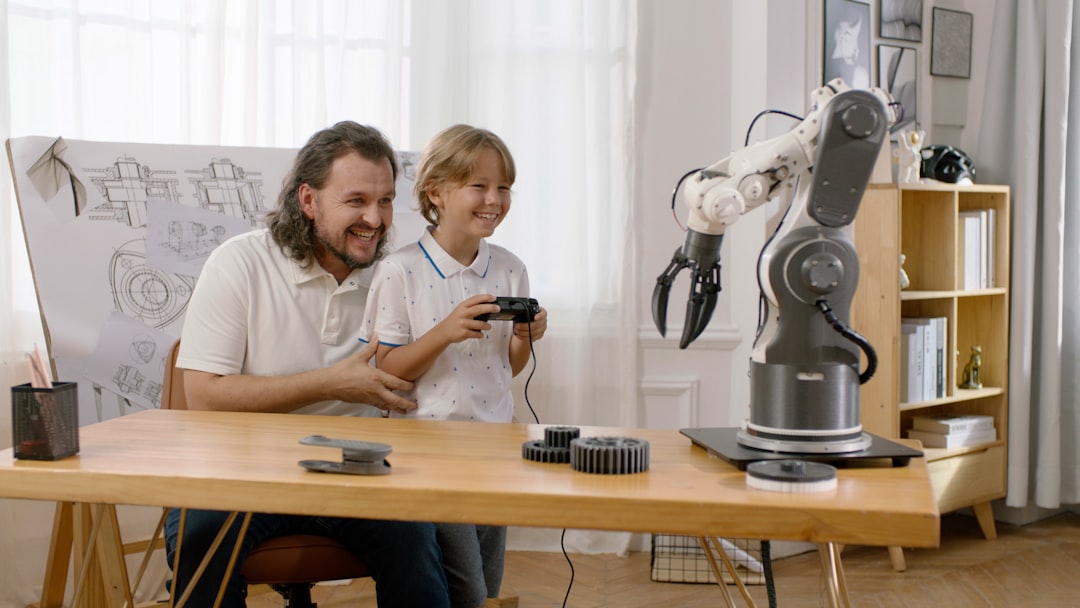
ML is all about letting machines learn from experience. It’s like teaching a little robot how to ride a bike. The more it rides, the better it gets—no need for you to explain every move.
Here’s how ML works:
- You give it data (lots of it!)
- It finds patterns
- Then it uses those patterns to make predictions
For example, you show it 1,000 photos of cats and dogs. After a while, it can tell you if the next photo is a cat or a dog—even if it’s never seen that one before!

Biggest Differences Between AI and ML
Let’s make it super clear with a quick side-by-side comparison:
| Feature | Artificial Intelligence | Machine Learning |
|---|---|---|
| Definition | Making machines act smart | Letting machines learn from data |
| Goal | Mimic human intelligence | Learn automatically and improve |
| Works With | Rules, logic, and learning | Only data (no rules needed) |
| Human Involvement | Often programmed by humans | Learns without step-by-step programming |
| Examples | Chatbots, voice assistants, smart homes | Spam filters, movie suggestions, facial recognition |
Examples In Real Life
Let’s play a little game. Is it AI or ML?
- Voice Assistant (like Siri or Alexa): AI. It hears you, understands you, and responds. That’s smart behavior.
- Netflix recommending shows: ML. It learns what you watch and gives you better picks over time.
- Self-driving cars: Both! AI decides how to drive like a human. ML helps it get better by learning from tons of driving data.
- Online chatbots: AI. They answer questions and help you shop or get customer support.
- Email spam filter: ML. It learns which emails are junk and keeps them out.
See how they work together but have different jobs?
Types of Machine Learning
Not all ML is the same. There are three cool types:
- Supervised Learning: The easiest type. It learns from labeled data (like “this is a cat” and “that’s a dog”).
- Unsupervised Learning: No labels here. The machine finds hidden patterns.
- Reinforcement Learning: It learns by doing. Just like a video game—it tries, fails, gets better.
Each type helps the machine get smarter in its own way.
Why It Matters
You might be thinking, “Cool, but why should I care?”
These techs are changing the way we live:
- Doctors use ML to find diseases faster
- Cars use AI to avoid accidents
- Retailers use AI to suggest what you might want to buy
- TVs, speakers, and your smart fridge—they’re all getting clever every day
It’s not just exciting—it’s the future. And understanding it helps you stay one step ahead!
The Bottom Line
Think of Artificial Intelligence as the big, powerful brain. It’s the whole idea of making machines smart. Inside that big brain, Machine Learning is one of the star players. It helps the machine learn without being told what to do all the time like a digital detective solving its own mysteries.

In Summary:
- AI is the big concept — think smart machines.
- ML is a part of AI — think learning from data.
- AI works with or without learning. ML needs data to learn.
- They often work together to make tech even smarter.
So next time someone says, “That’s AI,” you can smile and say, “Actually, might be ML!”
Knowledge is power—and now, you’ve got both!