






















Artificial intelligence has become an essential component of modern content marketing. From brainstorming blog topics to analyzing performance metrics, AI-powered research assistant tools are streamlining workflows and helping teams produce higher-quality content at scale. As competition increases and audience expectations rise, marketers are turning to intelligent systems that can accelerate research, improve accuracy, and uncover actionable insights. The following tools represent some of the most effective AI research assistants currently supporting content marketing workflows.
TLDR: AI research assistant tools help content marketing teams save time, generate insights, and improve content quality. They support tasks such as keyword research, competitive analysis, topic ideation, and performance tracking. By integrating these tools into workflows, marketers can make data-driven decisions faster and scale their content production efficiently. Choosing the right combination depends on team size, goals, and budget.
Content marketing is no longer just about creativity—it is about combining creativity with data-driven precision. AI research tools enable marketers to discover trends, understand audience behavior, execute SEO strategies, and refine campaigns based on measurable insights.
1. MarketMuse
Best for AI-driven content planning and topic modeling.
MarketMuse uses artificial intelligence to analyze existing content and identify gaps in coverage. It evaluates a website’s authority within specific topic clusters and suggests areas for expansion. Content teams can use it to create data-backed briefs that ensure articles comprehensively cover relevant subtopics.
- Content gap analysis
- Topic modeling and semantic recommendations
- Competitive benchmarking
- Content scoring
This tool is particularly beneficial for enterprise-level marketing teams seeking to dominate niche subject areas with deep, authoritative content.
2. Clearscope
Best for SEO-focused content optimization.
Clearscope helps marketers optimize content using AI-powered keyword analysis. By examining top-performing pages for a given search query, it generates a list of relevant terms and assigns content grades. Writers receive clear guidance on readability, keyword usage, and topic relevance.
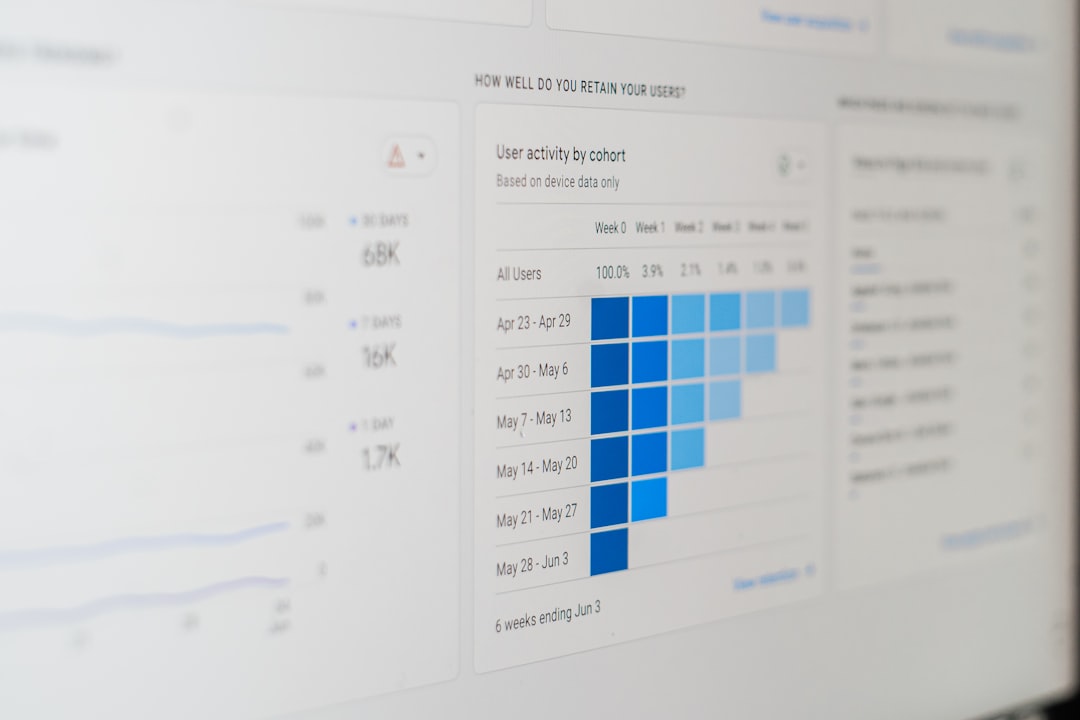
Clearscope streamlines the editing process by:
- Identifying high-priority keywords
- Providing real-time content grading
- Offering readability recommendations
- Improving search visibility
Content teams that publish consistent blog content often integrate Clearscope into their editorial workflows to ensure steady SEO gains.
3. Semrush Content Toolkit
Best for integrated research and competitive intelligence.
Semrush offers a comprehensive suite of tools covering keyword research, content audits, and competitor analysis. Its AI-driven insights help marketers understand what topics are trending, what competitors are ranking for, and where opportunities lie.
Key features include:
- Keyword gap analysis
- SEO writing assistant
- Content audit reports
- Backlink analytics
Because Semrush combines research and performance tracking, it supports the entire lifecycle of content marketing—from idea generation to campaign evaluation.
4. Frase
Best for automated content briefs and FAQ generation.
Frase accelerates the research phase by analyzing search results and generating structured briefs. It identifies commonly asked questions and extracts valuable insights from top-ranking content.
For content strategists managing high publishing volumes, Frase reduces the time spent manually reviewing competitor articles. The platform:
- Summarizes SERP data
- Generates question-based outlines
- Supports AI-assisted drafting
- Improves topical relevance
Teams focused on educational blog content and knowledge hubs find this especially helpful.
5. BuzzSumo
Best for trend discovery and content ideation.
BuzzSumo analyzes engagement metrics across social media and online publications. By identifying high-performing content based on shares and interactions, it reveals what topics resonate with audiences.
Content marketers use BuzzSumo to:
- Discover trending topics
- Identify influencers
- Track competitor content performance
- Analyze backlink data
This tool is particularly useful during campaign planning stages when figuring out which themes are most likely to generate engagement.
6. Surfer SEO
Best for data-driven on-page optimization.
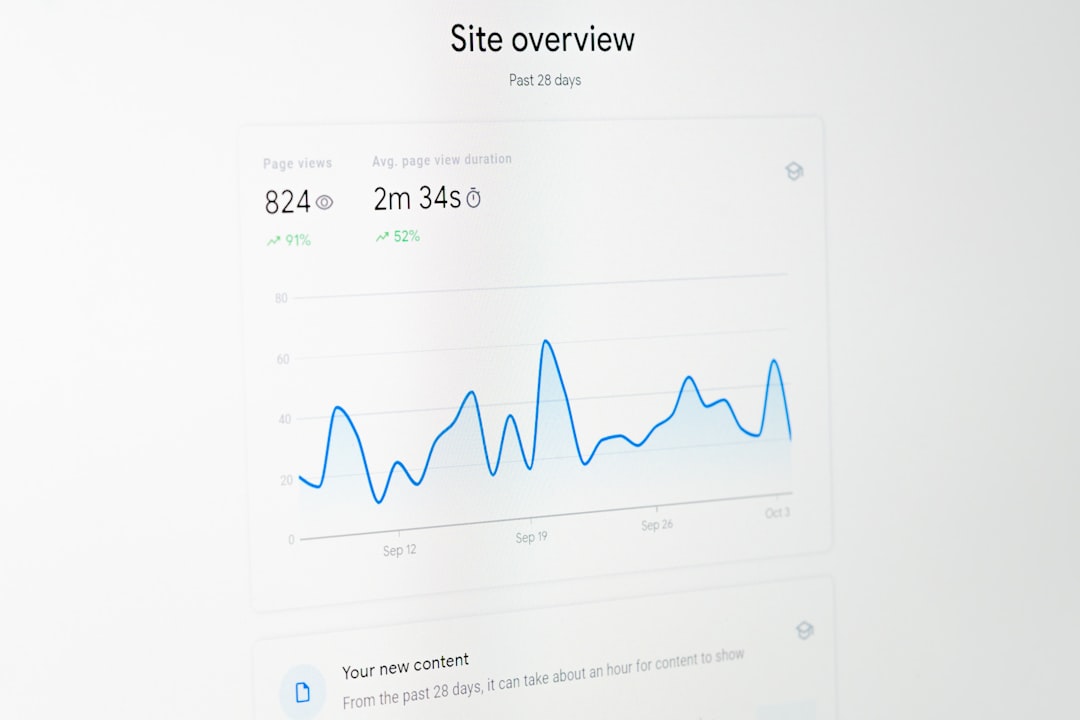
Surfer SEO combines machine learning with SERP data to provide actionable optimization suggestions. It breaks down ranking factors into measurable components such as keyword density, structure, and length.
Notable capabilities include:
- Content editor with optimization score
- SERP analyzer
- Keyword clustering
- Audit tools
For teams aiming to improve rankings systematically, Surfer SEO translates algorithm requirements into practical writing guidelines.
7. WriterZen
Best for topic discovery and keyword clustering.
WriterZen focuses on simplifying keyword research and building topic authority. Its AI-powered clustering tool groups related terms, helping marketers structure pillar pages and supporting articles effectively.
Core features include:
- Keyword explorer
- Topic discovery tool
- Content creator module
- Plagiarism checker
WriterZen is particularly beneficial for small to mid-sized teams seeking a cost-effective research assistant tool.
Comparison Chart of AI Research Assistant Tools
| Tool | Primary Strength | Best For | SEO Optimization | Trend Analysis |
|---|---|---|---|---|
| MarketMuse | Topic modeling | Enterprise content strategy | Advanced | Moderate |
| Clearscope | Content grading | SEO writers | Advanced | Limited |
| Semrush | All-in-one marketing suite | Full lifecycle campaigns | Advanced | Strong |
| Frase | Brief automation | High-volume blogs | Strong | Moderate |
| BuzzSumo | Engagement insights | Social-driven campaigns | Limited | Advanced |
| Surfer SEO | On-page optimization | Data-driven teams | Advanced | Limited |
| WriterZen | Keyword clustering | Growing content teams | Strong | Moderate |
How These Tools Support the Content Marketing Workflow
AI research assistant tools typically support five core stages of content marketing:
- Ideation: Tools like BuzzSumo and WriterZen help identify trending topics and keyword opportunities.
- Planning: MarketMuse and Frase generate structured, data-backed briefs.
- Creation: Clearscope and Surfer SEO guide optimization during writing.
- Optimization: Semrush audits performance and identifies enhancement opportunities.
- Evaluation: Analytics features across platforms measure impact and ROI.
By automating repetitive research tasks, these solutions allow marketing teams to focus more on storytelling, strategic positioning, and audience engagement. Rather than replacing human expertise, AI tools amplify it by delivering insights quickly and accurately.
Choosing the Right AI Research Assistant
Selecting the ideal tool depends on several factors:
- Team size and structure
- Content output volume
- Primary marketing goals
- Budget constraints
For example, enterprise organizations may benefit from robust platforms like MarketMuse or Semrush, while smaller teams may prioritize cost-effective and focused tools like WriterZen or Frase. Integration capabilities with existing CMS systems and collaboration tools should also influence decision-making.
Ultimately, the strongest content marketing workflows integrate multiple AI research assistants, combining complementary strengths for better results.
Frequently Asked Questions (FAQ)
- What are AI research assistant tools in content marketing?
They are software solutions that use artificial intelligence to support research, SEO optimization, topic discovery, competitor analysis, and content planning within marketing workflows. - Do AI research tools replace content writers?
No. These tools enhance efficiency and provide data insights, but human creativity, voice, and strategic thinking remain essential for high-quality content. - Which tool is best for SEO optimization?
Clearscope and Surfer SEO are particularly strong for on-page SEO guidance, while Semrush provides broader keyword and competitive analysis capabilities. - Are these tools suitable for small businesses?
Yes. Platforms like WriterZen and Frase offer affordable options tailored to smaller teams and startups. - How many AI tools should a team use?
Most teams benefit from combining two to three complementary tools to cover ideation, optimization, and performance tracking effectively. - Is AI-generated research reliable?
AI research is highly data-driven, but it should always be reviewed and validated by marketing professionals to ensure accuracy and alignment with brand objectives.
As AI technology continues to evolve, research assistant tools will become even more integrated into everyday marketing processes. Teams that strategically adopt these solutions stand to gain a competitive edge through faster workflows, smarter decisions, and more impactful content.